Your engine runs hot — that’s just physics. But a well-functioning cooling system keeps that heat under control, circulating coolant through the engine block, radiator, and hoses to stop temperatures from climbing into the danger zone. When something fails in that chain, the consequences can range from an inconvenient roadside stop to serious internal engine damage. Australian vehicles cooling system repair is something we handle regularly here in Gatton, covering everything from a single leaking hose through to full radiator replacement and water pump failures.
Warning Signs Your Cooling System Needs Attention
Some cooling problems announce themselves loudly. Others creep up quietly until you’re watching steam rise from under the bonnet on the side of a road. Knowing what to look for early gives you options.
- Temperature gauge climbing higher than normal – if it’s creeping toward the red, pull over and let the engine cool before driving further.
- Coolant warning light on the dash – this means the system has detected low coolant level or a temperature fault.
- Sweet smell coming from the engine bay – coolant has a distinctly sweet odour, and smelling it while the engine is warm often points to a leak somewhere in the system.
- Visible coolant pooling under the car – typically bright green, orange, or pink depending on the fluid type. Not to be confused with condensation from the air con.
- White smoke or steam from the exhaust or engine bay – if it’s persistent and not just cold-morning condensation, this warrants immediate inspection.
- Heater blowing cold air inside the cabin – the heater core is part of the cooling circuit; if it’s not getting hot coolant through, you won’t get warm air.
- Coolant reservoir consistently low despite topping up – a slow leak somewhere, or coolant being burned internally through a failing head gasket.
If you’re noticing any of these on your Australian-made or Australian-spec vehicle, don’t wait. Overheating is one of the fastest ways to cause lasting engine damage.
What the Cooling System Repair Process Looks Like
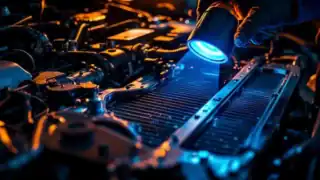
We start with a pressure test. This involves attaching a hand pump to the coolant reservoir or radiator cap and pressurising the system to check whether it holds. If pressure drops, there’s a leak somewhere, and we trace it systematically. Hoses, clamps, the radiator itself, the water pump, the thermostat housing, and the heater core connections are all checked. Sometimes the leak is obvious. Sometimes it’s a hairline crack in a plastic end tank on the radiator that only weeps under pressure.
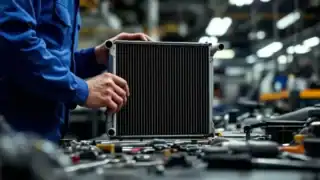
From there, we inspect the radiator for corrosion, blockage, or physical damage. A partially blocked radiator can still cause overheating even without any visible leaks – the coolant simply isn’t flowing fast enough to shed heat efficiently. We also check the thermostat, which is a small but critical component. A thermostat that’s stuck closed will cause rapid overheating; one that’s stuck open will stop the engine from reaching proper operating temperature, which affects fuel economy and emissions.
The water pump drives coolant circulation throughout the system. On many Australian vehicles the water pump is driven by the timing belt, which means if you’re already in for a timing belt replacement it often makes sense to do the water pump at the same time. We’ll flag this clearly if it’s relevant to your vehicle rather than springing it on you mid-job.
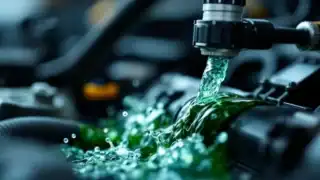
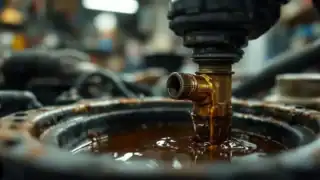
We also check coolant condition. Old coolant becomes acidic over time and corrodes the metal components it’s meant to protect. Flushing the system and refilling with fresh coolant to the correct specification for your vehicle makes a real difference to long-term reliability.
What Affects the Cost and Time Involved in Cooling System Work?
Cooling system repairs vary considerably depending on what’s actually failed. Replacing a split hose or a faulty thermostat is a relatively straightforward job. A water pump replacement takes longer, particularly if it’s buried behind other components. A radiator replacement is more involved again, and the cost difference between a quality aftermarket unit and an OEM-spec radiator is worth discussing before we start.
Parts availability for Australian vehicles is generally solid, and we handle our own parts sourcing here at the workshop rather than sending you off to find components yourself. That said, some older Australian models, particularly later-production Holdens and discontinued Ford Falcon variants, can require a bit more lead time on specific components. We’ll give you a straight answer on timing before we commit to a job.
Cooling System Repairs in Gatton, Without the Drive to Ipswich or Toowoomba
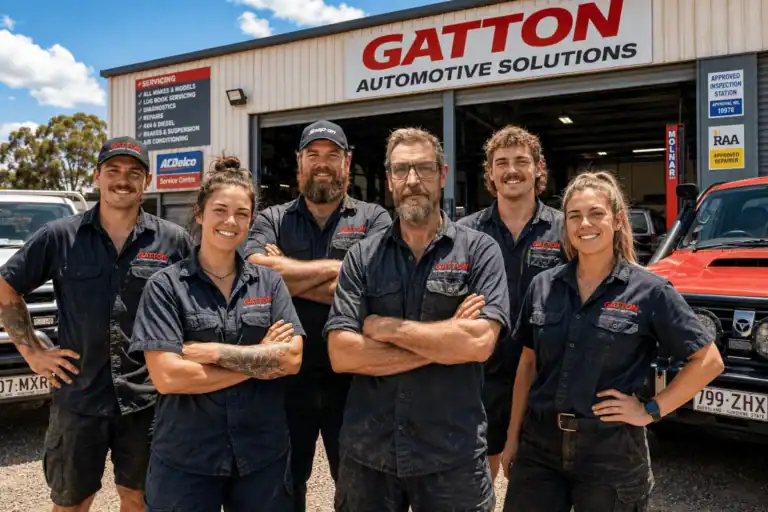
Gatton Automotive Solutions is a full-service workshop, meaning we handle everything from a routine coolant flush on a family sedan right through to cooling system work on heavy vehicles and farm equipment. There’s no need to load your car onto a trailer and drive 45 minutes each way for a job we can do locally. We’re locally owned, and the advice you get here is honest – if a repair isn’t warranted, we’ll tell you that too.
Our customers have left five-star reviews, and a lot of that comes down to one thing: we explain what we found, what it means, and what your options are before any work gets approved. No surprises.
Ready to Get Your Cooling System Checked?
If your temperature gauge is misbehaving or you’ve noticed any of the warning signs above, Call Us Now or Book Your Free Inspection online. Our team at Gatton Automotive Solutions will get you sorted quickly and keep you moving.