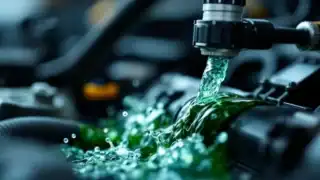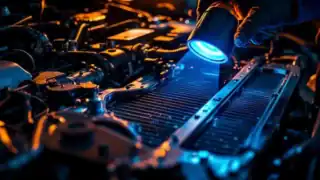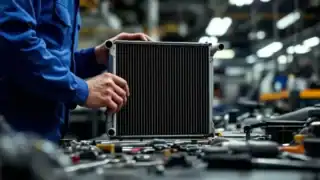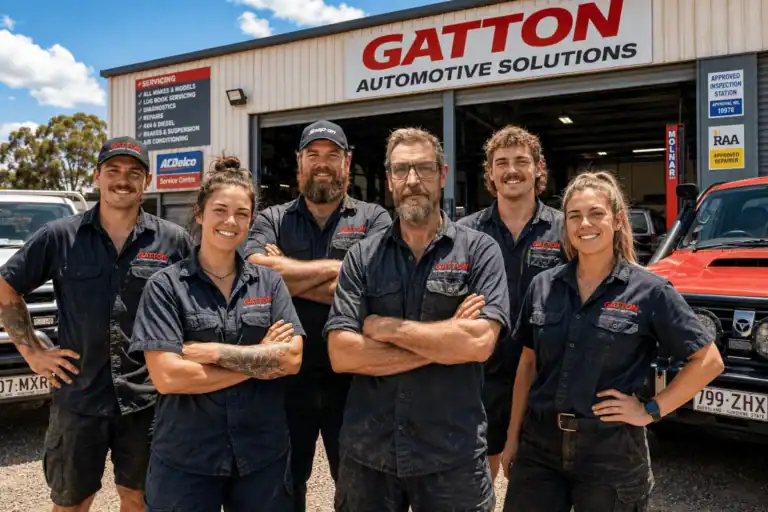
The water pump is the heart of your engine’s cooling system. It circulates coolant continuously through the engine block, cylinder head, and radiator to keep temperatures in check. When it starts to fail, your engine is at real risk of overheating — and overheating is one of the fastest ways to turn a repairable problem into a very expensive one. At Gatton Automotive Solutions, we carry out Australian Vehicles water pump replacement for a wide range of locally popular Australian-made models, from classic Holdens and Falcons through to the Commodore variants that are still doing plenty of kilometres across the Lockyer Valley.
Signs Your Water Pump Needs Replacing
Water pump failure rarely happens without warning. Knowing what to look for can be the difference between a straightforward repair and a warped cylinder head. Here are the most common signs that something is wrong:
- Coolant leak near the front of the engine: The water pump sits at the front of the engine and is driven by either the timing belt or a separate serpentine belt. A weeping or active coolant leak from this area often means the pump’s shaft seal has failed.
- Overheating temperature gauge: If your gauge is climbing higher than normal, especially in stop-start traffic or on hills, a failing pump may not be circulating coolant effectively.
- Whining or grinding from the front of the engine: As the pump’s bearing wears, it creates a noticeable noise that tends to change with engine speed. This is a clear sign the pump is on its way out.
- White steam or sweet smell from under the bonnet: Coolant has a distinctive sweet odour. Steam plus that smell usually means coolant is burning off somewhere it should not be.
- Rust or deposits around the pump housing: Gradual coolant seepage causes corrosion to build up around the pump. You might notice a crusty residue on or near the housing during a routine inspection.
Any one of these symptoms warrants a proper look. More than one at the same time means the pump needs attention sooner rather than later.
How We Replace the Water Pump on Australian-Made Vehicles
Australian-made vehicles like the Holden Commodore and Ford Falcon used a range of different engine configurations over the years, and the water pump setup varies considerably depending on the engine. The V6 Alloytec found in later Commodores, for example, has the water pump driven off the timing chain system, which means accessing it requires more disassembly than a simple external pump swap. Falcon six-cylinder engines used a more straightforward layout, though they still require careful attention to gasket sealing and correct torque settings to avoid future leaks.
Our process starts with a visual inspection of the pump, surrounding hoses, the thermostat housing, and coolant condition. Old coolant that has become acidic can actually accelerate pump failure, so we check the state of the fluid at the same time. Once we confirm the pump is the source of the problem, we remove the relevant drive belt or timing cover depending on the engine type, extract the old pump, and thoroughly clean the mating surfaces before fitting the replacement. We use parts that meet the original specifications for the vehicle, and we always replace the gasket or O-ring at the same time — reusing an old seal is a shortcut that leads to another leak down the track.
Where the water pump shares access with the timing belt, we will discuss whether it makes sense to replace both at the same time. On many Australian-made engines, the labour involved in getting to the pump overlaps significantly with a timing belt job, so doing both together can save you money compared to two separate visits.
What Affects the Cost and Time of a Water Pump Replacement?
A few factors influence how straightforward the job is. Engine type is the biggest variable — externally mounted pumps on older inline six-cylinder engines are generally more accessible than pumps buried inside a timing system on later V6 or V8 configurations. Vehicle condition matters too; corroded fasteners and degraded hoses can add time to what would otherwise be a clean job.
Parts availability for Australian-made vehicles is generally good, though some Holden-specific components now require a little more lead time as OEM supply chains have changed since local manufacturing ended. We handle parts sourcing in-house and will be upfront about availability and timing before we begin. Aftermarket options are available for most common models and can be a practical choice; where OEM-equivalent quality matters, we will talk you through the options.
Getting Your Water Pump Fixed in Gatton
One of the real advantages of bringing your Australian-made vehicle to us is that we handle the full range here at Gatton Automotive Solutions — no need to drive to Ipswich or Toowoomba for a job that can be done locally. Whether it is an everyday family Commodore, a workhorse ute, or a fleet vehicle that needs to be back on the road quickly, we treat every job the same way: honest assessment, fair pricing, and no work that does not need doing. We also have the capability to handle cooling system work on trucks and heavier equipment, so if your business runs a mixed fleet, we can take care of the whole lot.
Beyond Australian Vehicles coolant pump replacement and general mechanical work, our Gatton workshop covers roadworthy certificates, smash repairs and custom paintwork, suspension upgrades, tyre supply and fitting, and agricultural and farm equipment servicing — all under one roof. We have built a strong local reputation across the Lockyer Valley for doing the job right the first time, and our five-star reviews reflect the way we work, not the way we market ourselves.
If you have noticed any of the symptoms above, or your Australian-made vehicle is due for a coolant system check, Call Us Now or Book Your Free Inspection online. We are right here in Gatton and ready to help.