Your LDV’s cooling system is doing constant, quiet work every time you drive. It keeps the engine from overheating, maintains operating temperature for fuel efficiency, and protects internal components from heat-related damage. LDV cooling system repair covers everything from tracking down a slow coolant leak to replacing a failed thermostat or a cracked radiator core. At Gatton Automotive Solutions, we see cooling problems across the full LDV range, from the T60 ute out on Lockyer Valley properties to the G10 van doing daily runs around town. Catching a cooling issue early usually means a straightforward repair. Left too long, it can mean a warped cylinder head or a seized engine.
Common Signs Your LDV Cooling System Needs Attention
LDV vehicles are generally well-built for the work they’re asked to do, but their cooling systems share some common failure patterns worth knowing. The most obvious warning is the temperature gauge climbing higher than normal, or the engine warning light appearing on the dash. But not every cooling problem gives you a loud alarm.
- Coolant level dropping without any visible puddle under the vehicle, which can point to an internal leak at the head gasket or into the intake
- Sweet smell from the engine bay, particularly after a run, often caused by coolant burning off a hot surface or leaking near the exhaust
- Heater blowing cold air even when the engine is fully warmed up, which can indicate low coolant, a blocked heater core, or a stuck-open thermostat
- Visible coolant puddles under the vehicle after parking, ranging from a bright green or orange to a clear-ish fluid depending on the coolant type
- White or grey smoke from the exhaust, especially on startup, which can signal coolant entering the combustion chamber
- Overheating under load, such as towing, highway driving, or climbing grades, which often points to a partially blocked radiator or a failing water pump
If your LDV is showing any of these signs, it’s worth having it looked at before the next trip. Overheating can happen quickly once a system is compromised, and the repair cost climbs steeply once head gasket damage is involved.
How We Diagnose and Repair LDV Cooling Systems
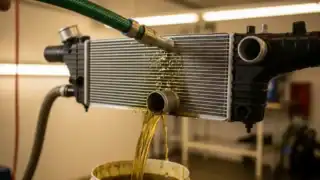
We start with a pressure test of the cooling system, which lets us identify leaks that aren’t obvious during a visual check. The system is pressurised to its normal operating pressure and held there while we inspect hoses, the radiator, water pump, thermostat housing, and all connection points. On LDV T60 and D90 models, the lower radiator hose connection and the coolant reservoir neck are common failure points worth checking closely. We also inspect the coolant condition itself. LDV specifies coolant types for different models, and using the wrong mix or running degraded coolant can accelerate corrosion inside aluminium components.
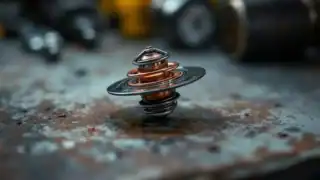
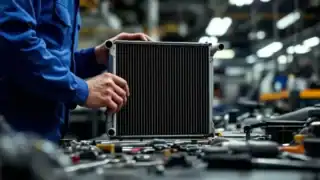
From there, the diagnostic picture guides the repair. If the thermostat is sticking, we replace it along with the housing seal and refill to the correct specification. If the radiator has a leak or the core is blocked, we source a replacement suited to the vehicle’s cooling load. The T60 ute, for example, is often used for towing or running in warm Queensland conditions, which puts more demand on the radiator and means we factor that in when selecting parts.
Water pump replacement on LDV engines often makes sense at the same time as a radiator repair if the pump is showing wear, since much of the access work overlaps. We’ll always let you know if that’s worth considering before starting the job.
Parts and Fluids for LDV Vehicles
We source parts that meet LDV’s specifications, which matters more with cooling systems than people often realise. Using the correct coolant type prevents corrosion in the aluminium cooling passages common across LDV’s engine range. Where OEM-equivalent parts are available, we use them. If a part needs to be ordered, we handle the sourcing, so you’re not chasing it yourself across multiple suppliers.
What Affects Repair Time and Cost for LDV Cooling Work?
Cooling repairs vary quite a bit in scope depending on what’s failed and how long it’s been running that way. A straightforward thermostat or hose replacement is generally a quicker job. A radiator replacement takes longer, particularly on LDV’s larger commercial vans where access requires more disassembly. If a head gasket has been compromised by overheating, the repair becomes significantly more involved, which is why early diagnosis matters.
Parts availability for LDV can occasionally affect turnaround. Some components for newer models or less common variants may need to be ordered. We’ll give you a clear picture of what’s needed and what to expect before work starts, with no hidden surprises when the invoice arrives.
LDV Cooling System Repairs in Gatton, Without the Drive to Ipswich or Toowoomba
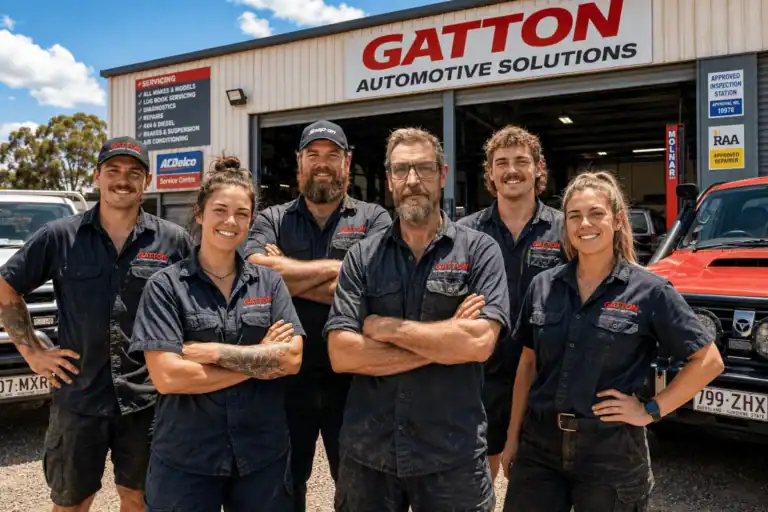
Gatton Automotive Solutions handles the full range of LDV mechanical work from our workshop here in Gatton, so there’s no need to load your vehicle onto a trailer or burn half a day driving to a city service centre. We work on LDV utes, vans, and SUVs alongside cars, 4WDs, trucks, and heavy equipment, which means the team has seen a wide variety of cooling system issues across different vehicle types and working conditions. Our five-star reviews reflect the kind of straightforward service we aim for every time: honest advice, fair pricing, and work done properly the first time.
If your LDV has been running hot or you’ve noticed something off with the cooling system, Call Us Now or Book Your Free Inspection online. We’re here in Gatton, ready to help you sort it out.