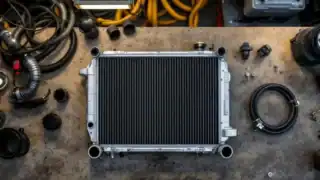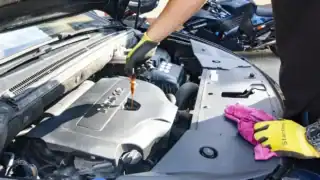
A failing water pump is one of the more serious mechanical issues a Suzuki owner can face. The water pump is the heart of your engine’s cooling system, circulating coolant through the engine block, radiator, and heater core to keep operating temperatures in check. When it starts to fail, the consequences move quickly from minor inconvenience to significant engine damage. If you’re noticing warning signs and you’re in or around Gatton, getting a Suzuki water pump replacement done promptly is the smartest move you can make for your vehicle’s long-term health.
Warning Signs Your Suzuki Water Pump May Be Failing
Suzuki water pump failures don’t always announce themselves with drama. Sometimes the signs are subtle at first, which is why knowing what to look for matters. The most common indicators we see include:
- Temperature gauge climbing higher than usual, particularly in stop-start traffic or on longer drives through the Lockyer Valley
- Coolant pooling under the vehicle, often with a sweet smell, indicating a leak from the pump housing or weep hole
- A whining or grinding noise from the front of the engine, caused by worn pump bearings
- Steam rising from under the bonnet, which means coolant is escaping and the engine is already overheating
- The heater producing little or no warmth inside the cabin, which can indicate reduced coolant circulation
- Visible corrosion or rust deposits around the water pump housing or on connected hoses
Some Suzuki models, including the Swift, Vitara, S-Cross, Jimny, and various Grand Vitara variants, use a timing-belt-driven water pump. This is a particularly important design detail because when the timing belt fails, it typically takes the water pump with it, and vice versa. If your Suzuki is due for a timing belt service, it’s usually worth replacing the water pump at the same time rather than pulling everything apart twice.
How We Approach Suzuki Coolant Pump Replacement
Before we replace anything, we run a proper diagnosis. An overheating engine can have several causes, including a faulty thermostat, a blocked radiator, or a head gasket issue, so we don’t assume the water pump is the culprit just because it’s a common failure point. We inspect the pump for shaft play, check the weep hole for active seepage, test coolant pressure, and look at the full cooling circuit to make sure we’re addressing the actual problem.
Once we confirm the water pump is the issue, we source a quality replacement that meets Suzuki’s specifications. Whether that’s a genuine Suzuki part or a reputable OEM-equivalent depends on the model and your preference, but we won’t fit a cheap generic pump that’s likely to fail again within a year. Suzuki engines tend to be well-engineered and relatively straightforward to work on, but some models, particularly those with chain-driven or belt-driven pumps buried deeper in the engine bay, require more disassembly time than others.
Where the water pump is driven by the timing belt, we’ll discuss replacing the belt, tensioners, and idler pulleys at the same time. Suzuki’s recommended service intervals for timing belts vary by model and year, and we’ll walk you through what applies to your specific vehicle. Combining these jobs in a single visit saves significant labour compared to doing them separately.
After fitting the new pump, we refill the system with the correct coolant type for your Suzuki, bleed any air from the circuit, and run a full pressure test to confirm there are no leaks. We don’t just top it up and send you on your way.
What Affects the Cost of Suzuki Water Pump Replacement?
A few things influence the time and cost involved. The main variables are:
- Engine layout and access: Some Suzuki models have the pump in a straightforward location; others require significantly more disassembly
- Timing belt involvement: If the pump is belt-driven and the belt is due or has been compromised, doing both jobs together affects total cost but reduces it compared to two separate visits
- Parts choice: Genuine Suzuki parts cost more than aftermarket alternatives, but quality aftermarket options from reputable suppliers are often a sound choice depending on the vehicle’s age and use
- Condition of related components: Hoses, clamps, and the thermostat are often inspected during the job; if they’re deteriorated, replacing them at the same time is usually the practical choice
We’ll give you a clear rundown of what’s needed before any work begins. No surprises, no add-ons you didn’t ask for.
Why Gatton Automotive Solutions for Your Suzuki Cooling System Work?
We’re a fully equipped workshop right here in Gatton. For Suzuki owners in the Lockyer Valley, that means no trip to Ipswich or Toowoomba to get quality mechanical work done. Our team handles everything from everyday servicing and cooling system repairs to tyres, suspension, roadworthy certificates, and heavy vehicle work, all under one roof.
We’ve built a reputation in this community for straight advice and fair pricing. With five-star reviews from local customers, you can see what people think of how we work. We source parts ourselves, so you’re not waiting on supply chain delays, and we’ll tell you honestly whether a repair is urgent or something that can be planned ahead.
If your Suzuki is running hot or you’ve spotted a coolant leak, don’t leave it. Call Us Now to talk through what you’re seeing, or Book Your Free Inspection online and let us take a proper look before the problem gets bigger.