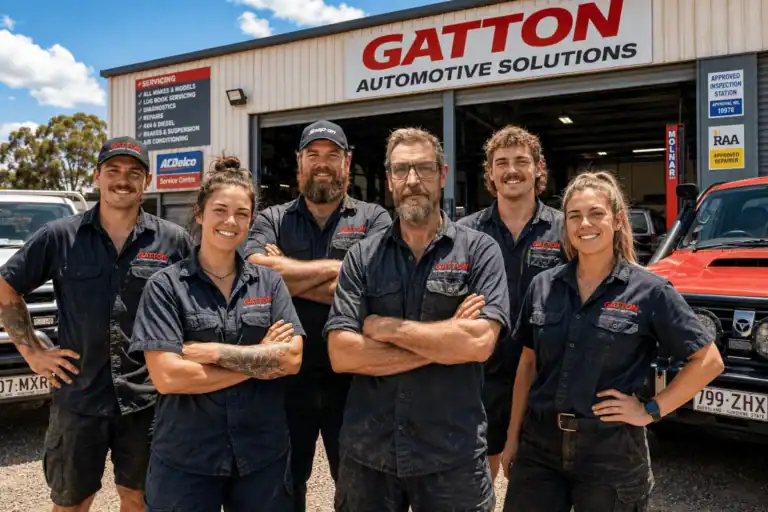
The water pump is what keeps coolant moving through your Volkswagen’s engine. Without it, heat builds up fast and the consequences can be serious, from a cracked cylinder head to a seized motor. Volkswagen water pump replacement is one of those jobs that tends to come up either during a timing belt service or after a driver notices something isn’t quite right with their temperature gauge. At Gatton Automotive Solutions, we handle these jobs regularly across a range of VW models, and we know the quirks these vehicles bring to the workshop.
Signs Your Volkswagen Water Pump May Be Failing
Water pump failure doesn’t always happen overnight. More often, there are early warning signs, and catching them before the pump lets go completely saves a lot of trouble. The tricky part with Volkswagens is that the water pump on many models sits behind the timing belt cover, which means you can’t simply eyeball it from above the engine bay.
Here’s what to watch for:
- Rising coolant temperature: If your temperature gauge is creeping toward the red, or you’re seeing the warning light come on during normal driving, reduced coolant circulation could be the cause.
- Coolant loss without visible leaks: A weeping water pump seal can lose fluid slowly. You might notice your coolant reservoir dropping over time without any obvious puddle under the car.
- A whining or grinding noise near the front of the engine: This points to a worn water pump bearing. On VW petrol engines that use a timing belt-driven pump, this noise can be subtle at first.
- White or sweet-smelling steam from the engine bay: Coolant hitting hot engine components produces a distinctive smell. Don’t ignore it.
- Coolant residue or dried deposits around the pump housing: Even if there’s no active drip, staining around the pump area suggests a past or slow-moving leak.
If you’ve noticed any of these in your VW, bring it in sooner rather than later. Running a Volkswagen with a compromised cooling system can cause damage that far outweighs the cost of the pump itself.
How We Approach Volkswagen Water Pump Replacement
The replacement process varies depending on your model and engine type. Volkswagen uses both timing belt-driven and timing chain-driven water pumps across its range, and the access difficulty differs significantly between them. On belt-driven setups, common in older TSI and TDI engines, the water pump sits inside the timing belt system. That means the belt itself needs to come off to reach the pump.
Because you’re already in that area of the engine, we strongly recommend replacing the timing belt, tensioner, and idler pulleys at the same time if they’re anywhere near their service interval. VW’s own service schedules typically recommend timing belt replacement every 100,000 to 120,000 kilometres depending on the engine variant, and a water pump failure mid-interval on a belt-driven setup can put the timing system at risk as well. Doing both jobs together makes sense mechanically and saves on labour costs down the track.
Our process includes:
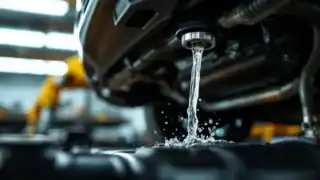
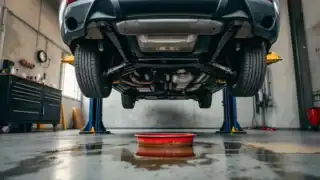
- Draining and capturing the existing coolant before any components are removed
- Removing the timing belt cover and inspecting the full timing system for wear or damage
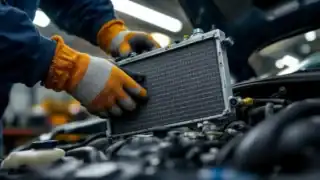
- Replacing the water pump with an OEM-spec or quality equivalent part suited to your VW model
- Refilling with the correct VW-spec coolant, typically G12, G13, or G13+ depending on your model year (using the wrong coolant type in a Volkswagen can cause corrosion of the cooling system internals)
- Bleeding the cooling system thoroughly to remove air pockets
- Running the engine up to operating temperature and confirming correct thermostat operation and coolant circulation
We also check the thermostat while we’re in there. On many VW models it makes sense to replace it at the same time, as the labour overlap is significant and a faulty thermostat is a common companion issue in Volkswagen cooling system failures.
What Affects the Cost and Time for This Job in Gatton?
A few variables come into play. The main one is whether we’re replacing the water pump on its own or combining it with a timing belt service. A standalone pump replacement on a chain-driven engine is generally a more straightforward job than working through a belt-driven system. Parts cost also varies between models, as a genuine VW water pump for a Golf GTI will differ in price from one suited to a Transporter or Amarok. We source parts based on what suits your vehicle and budget, and we’ll walk you through the options before any work starts. No surprises, no sign-off required on work you weren’t expecting.
Why Gatton Automotive Solutions for Your VW Cooling System Work
Gatton Automotive Solutions is a full-service workshop, which means we’re not just handling everyday servicing. We work on cars, 4WDs, utes, trucks, and heavy equipment, and our experience with Volkswagen cooling systems fits into that broader mechanical capability. Drivers across the Lockyer Valley don’t need to head to Ipswich or Toowoomba for jobs like this. We’ve built our reputation locally by doing the work properly, giving honest advice, and not recommending parts or services that aren’t needed.
With five-star reviews from local customers, we’re proud of the trust we’ve built in this community. Whether your VW is a daily driver or a workhorse, we treat every job with the same care.
If your Volkswagen is showing signs of a cooling system problem, don’t wait for it to become a breakdown. Call Us Now to talk through what you’re experiencing, or Book Your Free Inspection online and we’ll take a proper look at what’s going on with your vehicle right here in Gatton.