A failing water pump is one of the more reliable ways to turn a routine drive into a roadside emergency. Great Wall Water Pump Replacement is a service we carry out regularly at Gatton Automotive Solutions, and it’s one of those jobs where acting early makes a real difference to your engine’s long-term health. The water pump is the heart of your cooling system, circulating coolant from the radiator through the engine block and back again. When it stops working properly, engine temperatures rise fast, and the damage that follows can be far more costly than the repair itself.
Warning Signs Your Great Wall May Need a Water Pump Replacement
Great Wall vehicles, particularly the V200, V240, and Steed ute range, tend to give a few clear signals before the water pump fails completely. The most common is a coolant leak around the front of the engine, often visible as a dried residue or a slow drip near the timing cover area. You might also notice the temperature gauge creeping higher than usual, especially during town driving or when idling.
A worn pump bearing can produce a low grinding or whining noise from the front of the engine, which tends to get worse as the pump deteriorates. In some cases, the weep hole on the pump body begins to seep coolant before the pump fails outright. That small drip is the pump’s way of telling you it’s on the way out.
- Coolant pooling or residue under the vehicle after parking, particularly toward the front
- Rising temperature gauge during normal driving or at idle
- Grinding or whining noise from the front of the engine at operating speed
- Coolant loss without a visible radiator or hose leak
- Steam or sweet smell from the engine bay after a run
If you’re seeing any of these signs in your Great Wall, it’s worth getting it looked at before driving further. Overheating a diesel engine, which most Great Wall utes run, can cause head gasket damage that’s genuinely expensive to address.
How We Carry Out Great Wall Water Pump Replacement in Gatton
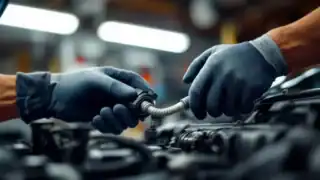
Our first step is a cooling system inspection to confirm the pump is the source of the problem. We check for coolant leaks, test the pump bearing for play and roughness, and inspect the impeller where access allows. On many Great Wall engines, the water pump is driven by the timing belt rather than a separate drive belt, so replacement timing matters.
Timing Belt Inspection at the Same Time
Because Great Wall diesel and petrol engines often position the water pump on the timing belt circuit, we always assess the belt’s condition while we’re in there. Replacing a timing belt at the same time as a water pump is common workshop practice on these vehicles because the labour overlap is significant. If the belt is near its service interval or showing any wear, addressing both together avoids pulling the same components apart again in a short period. We’ll give you a clear recommendation before any additional work is started.
Once the pump is confirmed for replacement, we use parts that match the OEM specification for your specific Great Wall engine. The V200 and V240 models run a 2.4 litre or 2.0 litre turbo diesel, and sourcing the right pump for your engine code matters. Fitment of a generic part that doesn’t match the original flow rate or impeller design can cause cooling issues even after a successful installation.
After fitting, we refill the cooling system with the correct coolant mix, bleed any air from the system, and run the engine to confirm temperatures stabilise and there are no leaks at the new pump or surrounding connections. We don’t call the job done until we’re confident the cooling system is performing as it should.
What Affects the Cost and Time of Water Pump Replacement?
Parts availability is the main variable with Great Wall vehicles. The brand’s market share in Australia means genuine and aftermarket parts aren’t always on a next-day courier. We handle parts sourcing in-house, which means we can track down the right pump without you needing to chase suppliers yourself. Where genuine-equivalent parts are available, we’ll discuss the options with you honestly.
Labour time depends on whether the pump is belt-driven or externally accessible on your particular engine. Belt-driven pumps take longer because more components need to come off to reach them. If the timing belt, tensioner, or idler pulleys also need attention, that adds time but generally reduces the total cost compared to doing them as separate jobs later.
Servicing Your Great Wall Locally Saves More Than Just Travel
Driving to Ipswich or Toowoomba for a Great Wall coolant pump replacement adds 90 to 160 kilometres round trip before you’ve even started the job. For a vehicle that may already be running warm, that’s a genuine risk. Gatton Automotive Solutions handles everything locally, from the initial diagnosis through to parts sourcing, fitting, and testing.
We’re a full-service workshop covering cars, 4WDs, utes, trucks, and heavy equipment, so whatever else needs attention while we have your Great Wall in, we can take care of it. Logbook servicing, brake work, tyre fitting, roadworthy certificates – we do all of it under one roof. Our pricing is straightforward, and we won’t suggest work that isn’t needed. With five-star reviews from drivers across the Lockyer Valley, the track record speaks for itself.
If your Great Wall is running hot or showing any of the signs above, Call Us Now or Book Your Free Inspection online. We’re based in Gatton and ready to get your cooling system back in order.