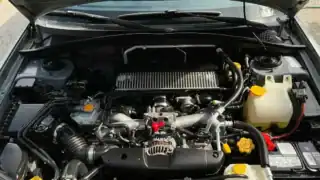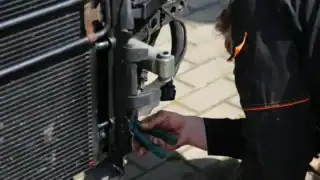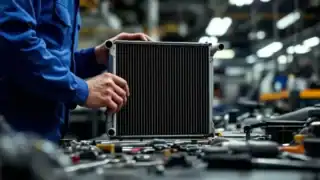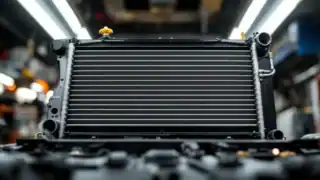
A failing water pump is one of the more reliable ways to turn a minor inconvenience into a major repair bill. Honda Water Pump Replacement is something we handle regularly at Gatton Automotive Solutions, and it’s a job worth taking seriously. The water pump is the heart of your Honda’s cooling system, circulating coolant from the radiator through the engine and back again. When it stops doing its job properly, engine temperatures climb fast, and what starts as a warning light can quickly become a cracked head gasket or worse.
Signs Your Honda’s Water Pump May Be Failing
Honda water pumps don’t always give you dramatic warning signs. Sometimes the failure is gradual, showing up as a slow coolant leak or a slightly elevated temperature gauge on long runs. Other times the problem is more obvious. Here’s what to watch for:
- Coolant leaking from the front of the engine – often from the pump housing or weep hole, which is a small vent designed to signal internal seal failure
- A whining or grinding noise from the front of the engine, particularly at idle or low speeds, pointing to worn pump bearings
- Overheating, especially under load – towing, climbing hills, or sitting in traffic on a warm Lockyer Valley afternoon
- Temperature gauge fluctuating above normal range without a clear cause
- Coolant loss without visible external leaks, which can mean the pump is allowing coolant to bypass internally
- Steam from under the bonnet – by this point the situation needs immediate attention
If you’re noticing any of these, don’t wait it out. Driving a Honda with a compromised cooling system risks damage that far exceeds the cost of the pump itself.
How Honda’s Cooling System Design Affects the Job
Not all water pump replacements are the same job. Honda’s engineering approach varies across the model range, and this matters for how the work is carried out. On many Honda four-cylinder engines, including common models like the Accord, Civic, CR-V, and Jazz, the water pump is driven by the timing belt. This is worth knowing because it means Honda’s own service schedule typically recommends replacing the water pump at the same time as the timing belt – usually at a specific mileage or age interval. Doing both jobs together makes clear mechanical sense, since the labour involved in reaching the pump is almost entirely shared with the timing belt replacement.
On Honda models fitted with a timing chain rather than a timing belt, the pump location and access differs again. Some of these setups place the pump internally, driven off the chain itself. This requires more careful disassembly and reassembly to avoid disturbing timing components. Our team works through Honda-specific service procedures, so the job is done in the right sequence with the right torque settings, not just a generic approach applied to every engine we see.
What We Do During a Honda Coolant Pump Replacement
Before any parts are ordered, we confirm the diagnosis. Coolant leaks and overheating can have more than one cause, so we check the full picture first: thermostat condition, radiator cap pressure, coolant hoses, and any stored fault codes via diagnostic scan. Once we’ve confirmed the pump is the problem, we plan the job in full.
For timing belt-driven applications, we’ll walk you through whether it makes sense to replace the timing belt, tensioner, and idler pulley at the same time. If these components are due or close to due, combining the work is almost always the better call. We use quality parts that meet Honda OEM specifications, whether that’s genuine Honda parts or reputable aftermarket equivalents, and we discuss the options with you before the job starts.
After fitting, the cooling system is refilled with the correct Honda-specified coolant – typically Honda Blue or an equivalent ethylene glycol formulation at the right concentration for Queensland conditions. We bleed the system properly to remove air pockets, then run the engine through a full warm-up cycle to confirm stable operating temperature and check for leaks before the car leaves the workshop.
What Affects the Cost and Time for This Job in Gatton?
The biggest variable is which Honda model and engine you have. A Civic with a timing belt-driven pump will take longer than a Jazz with a simpler layout, simply because there’s more to access and more that should logically be done at the same time. Parts cost varies too, depending on whether you opt for genuine Honda components or quality aftermarket parts, and whether associated components like the thermostat or belts need replacing as part of the same job.
Being in Gatton means you’re not waiting on parts to travel from Ipswich or Toowoomba. We handle parts sourcing directly, which keeps things moving. We’ll give you a clear picture of what’s involved and what it’s likely to cost before anything gets started. No surprises, no work added on without asking.
Why Gatton Drivers Bring Their Hondas to Us
Gatton Automotive Solutions is a full-service workshop covering everything from everyday passenger cars and 4WDs to trucks, heavy equipment, agricultural machinery, smash repairs, and custom paint. For Honda owners in the Lockyer Valley, that means you don’t have to make a trip to Ipswich or Toowoomba for a job like this. It gets done locally, properly, with honest advice and straight pricing. We’re not in the business of recommending work you don’t need, and our five-star reviews reflect how local drivers feel about that approach.
Whether your Honda needs a water pump, a full cooling system check, or something else entirely, we’re set up to take care of it. Book Your Free Inspection online or Call Us Now to talk through what your vehicle needs.