The water pump is one of the hardest-working components in any European vehicle’s cooling system. It circulates coolant continuously through the engine, keeping temperatures in check whether you’re idling in town or cruising the Warrego Highway. When it starts to fail, the consequences can escalate quickly from a minor leak to a seized engine. European vehicles water pump replacement is something we handle regularly at Gatton Automotive Solutions, and getting it done properly means understanding how these vehicles are engineered, not just swapping parts.
Warning Signs Your Water Pump May Be Failing
European manufacturers like BMW, Mercedes-Benz, Volkswagen, Audi, and Peugeot often use impeller-driven water pumps made from composite or plastic materials rather than cast metal. These are designed to tight tolerances and work well within OEM parameters, but they can degrade differently from what you’d expect on a Japanese or domestic vehicle. The impeller can erode or crack without producing the classic grinding noise you might associate with a failing pump on older cars.
Watch for these signs that something may be going wrong:
- Engine temperature rising unexpectedly, especially on longer runs or when the air conditioning is running
- Coolant loss without an obvious external leak from hoses or the radiator
- Coolant weeping from the pump housing, sometimes appearing as dried deposits or discolouration near the front of the engine
- A grinding or whirring noise from the front of the engine, particularly at idle or low speed
- The heater blowing cold even when the engine is warm, suggesting coolant isn’t circulating properly
- Warning lights, including the coolant temperature light or engine management light on the dash
On many European platforms, the water pump is driven by the timing belt or chain rather than a separate accessory belt. This is a critical point: if your pump is due for replacement and you’re already doing timing belt work, combining both jobs makes practical sense. Pulling the timing belt system apart twice is unnecessary labour, and we’ll advise you honestly about whether that timing applies to your vehicle.
How We Approach Water Pump Replacement on European Vehicles
Before anything is removed, we run a full cooling system assessment. This includes a pressure test to confirm where coolant is escaping, a visual inspection of the pump housing and weep hole, and a check of coolant condition and concentration. On vehicles with electronic cooling systems, such as those using BMW’s electric auxiliary water pumps or Volkswagen Group’s electronically controlled coolant circuits, we also check for logged fault codes that can point directly to pump performance issues.
Once the diagnosis is confirmed, we source parts that meet OEM specifications for your vehicle. European cooling systems are engineered with specific flow rates and material compatibility in mind. Using a generic replacement pump that doesn’t meet those specs can shorten the lifespan of the repair or cause issues with other cooling components. We discuss parts options with you clearly, including whether OEM-equivalent or genuine parts are available and what that means for your vehicle.
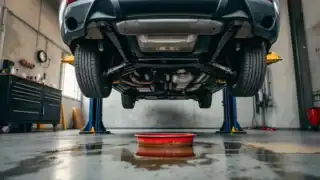
The replacement itself involves draining and properly disposing of the old coolant, fitting the new pump, inspecting related components such as the thermostat, hoses, and coolant temperature sensors, and refilling the system with the correct specification coolant for your make and model. European vehicles often require specific coolant types including G12, G13, or OAT-based formulas, and using the wrong type can cause corrosion in alloy components. We get that detail right.
What Affects the Cost and Time Involved in Gatton
Water pump replacement on European vehicles varies in complexity more than most people realise. A pump that sits accessibly at the front of the engine on a Volvo or older Mercedes is a straightforward job. On some Audi and BMW models, the pump is buried deep in the engine bay, sometimes requiring significant disassembly to reach. Labour time reflects that reality.
Parts cost is another variable. Genuine and OEM-equivalent parts for European brands are priced higher than aftermarket alternatives for domestic vehicles, and availability can affect turnaround on some models. We handle parts sourcing in-house and will give you a straight picture of what’s involved before work begins, with no surprises added at the end.
If the water pump failure has been running for a while, we’ll also check for associated damage, such as head gasket stress, thermostat failure, or damage to the radiator. Catching those issues at the same time avoids a second round of work down the track.
Why Gatton Automotive Solutions for Your European Vehicle
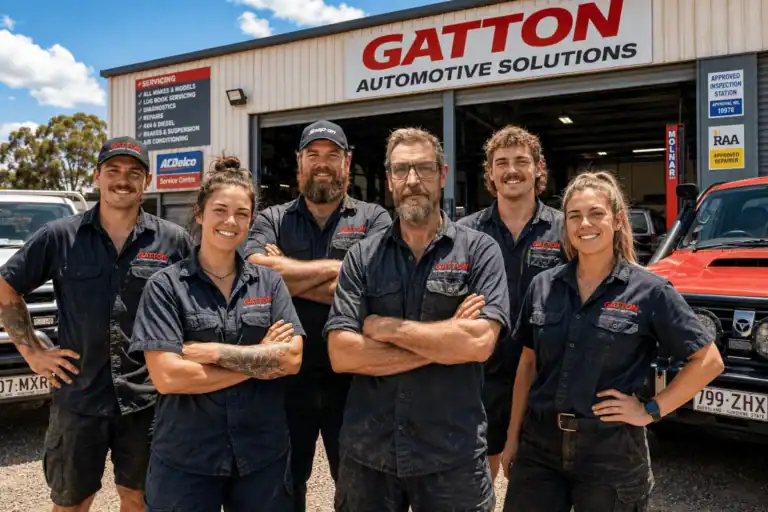
We’re a full-service workshop in Gatton covering everything from everyday passenger cars and European vehicles through to 4WDs, trucks, and heavy equipment. Drivers from across the Lockyer Valley, including Laidley, Plainland, and Helidon, bring their vehicles here because it means not having to travel 45 to 80 kilometres to Ipswich or Toowoomba for quality mechanical work. We do smash repairs, suspension, tyres, roadworthy certificates, and mechanical servicing all in one place.
Our reputation in the local area is built on straightforward advice and honest pricing. We don’t recommend work that isn’t needed, and we explain what we’ve found in plain language before we ask you to make a decision. With five-star reviews, that approach speaks for itself.
If your European vehicle is showing any signs of cooling system trouble, Call Us Now or Book Your Free Inspection online. We’ll work through it properly and get you back on the road with confidence.