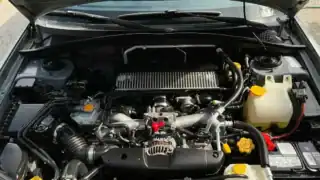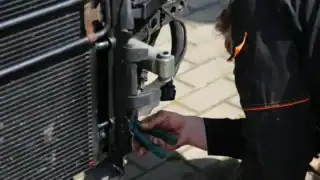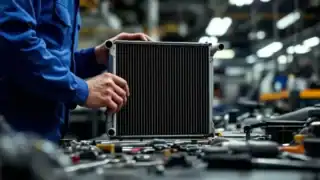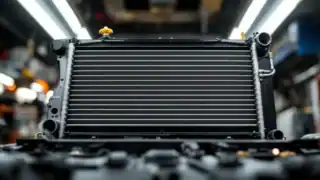
Coolant does more than stop your Honda from overheating. Over time, the fluid breaks down, becomes acidic, and starts attacking the metal components inside your cooling system from the inside out. A Honda radiator flush removes that degraded coolant along with built-up deposits and replaces it with fresh fluid mixed to the correct specification for your engine. For Honda owners in Gatton and across the Lockyer Valley, keeping the cooling system in good shape is one of the most cost-effective ways to avoid a breakdown that could have been prevented.
Signs Your Honda’s Cooling System Needs Attention
Honda engines are generally reliable, but the cooling system still has its limits. Old coolant loses its ability to regulate temperature and protect against corrosion, and the signs don’t always announce themselves loudly. Here’s what to look for:
- Temperature gauge sitting higher than usual or creeping toward the red during normal driving
- Coolant that looks brown, rusty, or murky rather than the clean blue, green, or pink it started as
- A sweet smell inside the cabin or around the engine bay, which can indicate a small leak or evaporation from a compromised system
- White residue or deposits around the radiator cap or hose connections
- The heater blowing cooler than it should, which sometimes points to circulation issues within the system
- Your Honda is due for a scheduled coolant change based on kilometres or years since the last service
Honda’s service schedule typically recommends a coolant change at specific intervals depending on the model and the type of coolant originally fitted. Older Civics, Jazz, CR-Vs, and HR-Vs running the original factory coolant are often well past due by the time owners think to check. If you’re not sure when yours was last done, we can take a look during your next visit.
What a Honda Radiator Flush Involves at Our Workshop
This isn’t just a drain-and-refill. A proper flush removes the old fluid, flushes the system to clear out any scale, sediment, or old inhibitor residue, and replaces it with coolant matched to Honda’s specifications. Honda has historically recommended a non-silicate, non-amine, non-nitrite coolant (often referred to as Type 2 or a compatible long-life equivalent), and using the wrong type can actually accelerate corrosion in aluminium components rather than prevent it.
Our process includes:
- Draining the old coolant from the radiator and, where accessible, the engine block
- Running a flush through the system to dislodge scale and deposits that a simple drain wouldn’t remove
- Inspecting hoses, clamps, the radiator cap, and visible cooling system components for wear or deterioration
- Refilling with the correct coolant type and concentration for your Honda model and the local climate
- Checking for leaks and confirming the system holds pressure correctly
- Topping up and confirming the overflow reservoir is at the right level
For Honda models with a history of thermostat housing issues or water pump wear (the CR-V and some Accord variants have been known for this), we’ll flag anything that looks like it needs attention while we have the system open, so you’re not caught off guard later.
What Affects the Cost and Time for a Coolant Flush on a Honda?
A few things can shift what a Honda radiator flush involves in practice. The main variables are the age and condition of the existing coolant, whether the system shows signs of contamination or scale build-up, and whether any components like the thermostat, radiator cap, or hoses need replacement at the same time.
Using coolant that matches Honda’s OEM specification matters here. Cutting corners with a generic mix might save a small amount upfront, but it can compromise the corrosion inhibitors that Honda’s aluminium engines and radiators depend on. We source parts and fluids that meet the correct spec for your vehicle, so you’re not paying twice when something fails prematurely.
Most straightforward flushes can be completed while you wait, though that depends on the condition of the system and what we find. If the system needs additional work, we’ll talk you through what’s involved before anything extra is done.
Why Gatton Honda Owners Choose Us for Cooling System Work
Gatton Automotive Solutions is a full-service workshop handling everything from everyday passenger cars and 4WDs through to trucks, heavy equipment, and farm machinery, all under one roof. There’s no need to drive to Ipswich or Toowoomba for work that can be done right here locally. For Honda drivers across the Lockyer Valley, that means one trusted workshop that knows your vehicle and keeps a record of what’s been done.
We don’t recommend work that isn’t needed. If a coolant flush is all your Honda requires, that’s what we’ll do. If we spot something else worth knowing about while we’re in there, we’ll tell you plainly and let you decide. That’s the straightforward approach we’ve built our reputation on, and it’s reflected in the five-star reviews from customers in Gatton and the surrounding region.
Parts sourcing is handled in-house, so there’s no waiting around for you to chase down a coolant type or a replacement cap. We take care of it as part of the job. And for those who need a roadworthy certificate, smash repairs, suspension work, or tyre fitting, it can all be handled at the same workshop without booking multiple appointments across town.
Book a Honda Radiator Flush in Gatton
If your Honda is due for a coolant change, running warm, or you’re simply not sure when the cooling system was last serviced, get in touch with our team. Use Book Your Free Inspection online or Call Us Now, and we’ll sort out what your Honda needs right here in Gatton.