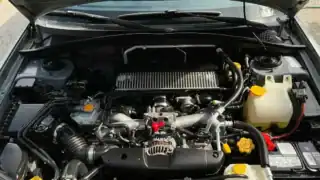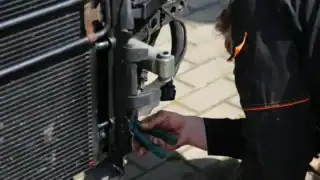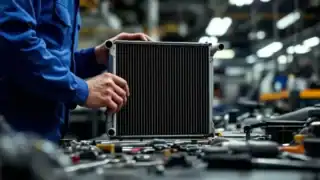
Your Honda’s engine runs within a narrow temperature range, and the radiator is what keeps it there. A Honda radiator service addresses the condition of the radiator itself, the coolant (also called antifreeze) circulating through the system, and the connected components that move heat away from the engine. For Honda owners in Gatton and across the Lockyer Valley, this is the kind of maintenance that tends to get pushed back until something goes wrong. Getting ahead of it is a lot simpler than dealing with an overheated engine on the side of the road.
Signs Your Honda Radiator Needs Attention
Hondas generally have a solid reputation for reliability, but the cooling system is not immune to wear. The radiator can develop internal corrosion, blocked passages, or external leaks without obvious warning. By the time the temperature gauge climbs or a warning light appears on the dash, the engine has already been under stress. A few signs worth paying attention to before that point:
- Temperature gauge rising higher than normal or fluctuating between trips
- Coolant leaks under the car, often showing as a green, orange, or pink puddle
- Low coolant level between top-ups, even with no visible leak
- A sweet smell from under the bonnet, which often indicates leaking coolant burning off near hot components
- Visible discolouration or rust around radiator hose connections or the radiator cap
- The heater not producing warm air inside the cabin, which can point to low coolant flow
Some of these symptoms can also point to the thermostat, water pump, or head gasket, which is why an accurate inspection matters more than guessing at parts.
What Honda-Specific Cooling Service Looks Like
Honda vehicles use their own coolant specification. Older Hondas used a green silicate-based coolant, while most models from the mid-2000s onward use a blue or blue-green long-life coolant that is silicate-free and phosphate-free. Mixing the wrong coolant type, or topping up with a generic universal mix, can cause internal corrosion inside aluminium components and block the narrow passages in Honda’s compact radiator designs. This is a detail that catches out a lot of DIY top-ups.
When your Honda comes in for a cooling system inspection, we start with a visual check of the radiator, hoses, clamps, overflow bottle, and cap. We pressure-test the system to identify any leaks that are not immediately visible, and we check the condition of the coolant itself. Degraded coolant becomes acidic over time, which is what accelerates the internal corrosion that shortens radiator life.
What the Service Typically Involves
- Radiator visual inspection for damage, corrosion, and blockage
- Pressure testing the cooling system to locate leaks
- Checking radiator hoses for cracking, swelling, or soft spots
- Inspecting the radiator cap for correct pressure rating and seal condition
- Testing coolant concentration and pH level
- Coolant flush and refill with Honda-compatible fluid where required
- Checking fan operation and thermostat function
If the radiator itself is damaged or corroded beyond safe use, we’ll explain the options clearly before any repair work goes ahead. That might mean a replacement radiator, a hose replacement, or addressing a related component like the thermostat or overflow tank.
What Affects the Cost and Time for a Honda Radiator Service
A straightforward coolant flush and refill on a Honda Civic or Jazz takes less time than a full radiator replacement on a larger CR-V or Pilot. Part of what affects the job is what we find during the inspection. A coolant drain and refill is a relatively quick service. If the radiator has a crack, a failed end tank, or internal scaling from years of degraded coolant, the repair becomes more involved.
Parts choice is also a factor. We source Honda-compatible parts and fluids, and we’ll walk you through the options for your specific model if there are multiple paths forward. OEM-specification coolant is important for Hondas in particular given the aluminium-heavy cooling system construction. The goal is always to do the job properly so you’re not back with the same problem in six months.
Keeping Your Honda on the Road in Gatton
Lockyer Valley summers can be hard on cooling systems. Stop-start driving in town, towing anything behind the car, and running air conditioning all add thermal load to the engine. Hondas are generally well-designed for everyday use, but they are not exempt from the effects of heat and time on rubber hoses and coolant chemistry. Staying on top of the cooling system is one of the more straightforward ways to protect the rest of the engine.
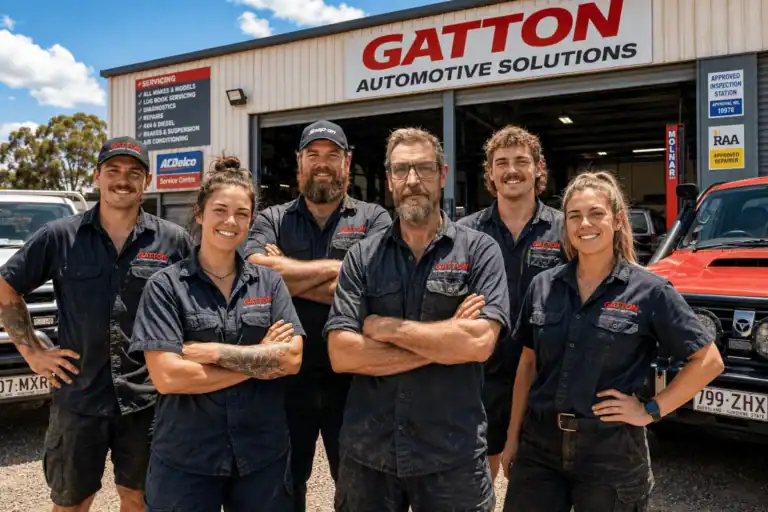
Gatton Automotive Solutions handles everything from everyday Honda hatchbacks to larger SUVs and commercial vehicles, all in one place. There’s no need to drive to Ipswich or Toowoomba for a service your local workshop can handle properly. We’re locally owned and operated in Gatton, and our pricing is honest and upfront. We won’t recommend work the car doesn’t need, and we’ll explain what we find before anything gets started. With five-star reviews, our customers across the Lockyer Valley keep coming back because we do what we say we’ll do.
If your Honda is running warm, losing coolant, or is due for a cooling system check, Book Your Free Inspection online or Call Us Now. We’ll take a proper look and let you know exactly where things stand.