A radiator service on a Great Wall vehicle isn’t something most drivers think about until the temperature gauge starts climbing or steam appears under the bonnet. But the cooling system is working every time you drive, and when it starts to fail, the consequences move quickly from inconvenient to expensive. Great Wall Radiator Service at Gatton Automotive Solutions covers everything from flushing old coolant and inspecting hoses to diagnosing leaks and checking the thermostat, so your ute or SUV stays running at the right temperature regardless of what the Lockyer Valley weather throws at it.
Warning Signs Your Great Wall Cooling System Needs Attention
Great Wall vehicles, including the Steed ute and the V-series SUVs, use a conventional liquid cooling system that relies on clean coolant, an intact radiator, a working thermostat, and a functioning water pump all operating together. When one part starts to deteriorate, the effects on the others follow. Here’s what to watch for:
- Temperature gauge sitting higher than usual or creeping toward the red zone during normal driving
- Sweet, slightly syrupy smell from the engine bay, which often points to a coolant leak before it becomes visible
- Coolant puddles or staining underneath the vehicle after it’s been parked, particularly a green, orange, or pink-tinted fluid
- Low coolant warning on the dashboard, or needing to top up the overflow reservoir more frequently than usual
- Heater blowing cold air when it should be warm, which can indicate a blockage in the system or low coolant flow
- White or grey smoke from the exhaust, which in a petrol engine can mean coolant is entering the combustion chamber
If your Great Wall is showing any of these signs, driving on in the hope that things settle down generally makes the damage worse. Overheating even once can warp cylinder heads, which turns a radiator job into something far more involved.
What a Great Wall Radiator Service Actually Involves
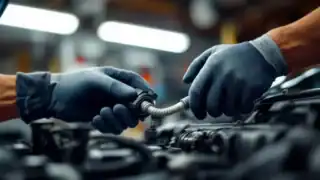
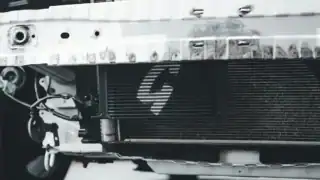
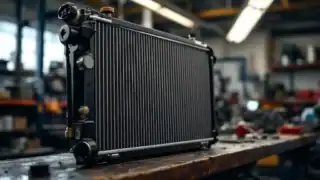
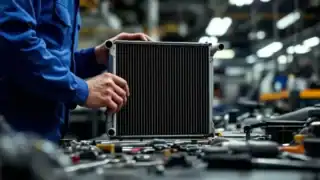
We start by checking the visible components before we drain anything. That means examining the radiator itself for corrosion, fin damage, or visible leaks at the seams and hose connections. Great Wall radiators, particularly on the Steed platform, can develop hairline cracks at the end tanks over time, especially in vehicles that have seen a mix of highway and rough country use.
From there, we pressure test the cooling system. This involves pressurising the circuit to identify leaks that don’t show up during a visual check, including leaks at the water pump, heater core connections, and the head gasket. A pressure test is one of the most reliable ways to catch a slow coolant loss that’s been gradually lowering your reservoir level without leaving an obvious puddle.
If the system is due for a coolant flush, we drain the old fluid completely, flush through to remove scale and debris, and refill with coolant that meets the specification for your Great Wall model. Using the wrong coolant type can accelerate corrosion in aluminium components, so matching the fluid to the manufacturer’s recommendation matters. Great Wall recommends OAT (Organic Acid Technology) coolant in most of its models, and we source coolant that meets those specs.
Thermostat and Hose Condition
A radiator flush alone doesn’t fix a stuck thermostat or a hose that’s gone soft and spongy on the inside. We check hose flexibility and integrity, inspect the radiator cap for correct pressure rating, and assess the thermostat where access allows. On many Great Wall models the thermostat housing is straightforward to access, so we’ll flag its condition during the service rather than leaving it as a potential return visit.
What Affects How Long the Job Takes and What It Costs
A straightforward coolant flush and inspection is generally a same-day or while-you-wait job. What extends the time and the cost is finding something during the inspection that needs addressing, such as a cracked radiator, a leaking hose, a faulty thermostat, or a water pump showing early signs of wear. It’s always better to know about these things during a service than to find out on the Warrego Highway.
Parts cost varies depending on whether we’re sourcing aftermarket or OEM-equivalent components. For most Great Wall models, quality aftermarket parts perform well and are available without the lead times that can apply to some brands. We’ll talk through the options with you honestly and let you make the call.
Why Lockyer Valley Great Wall Owners Get Their Radiator Service Done in Gatton
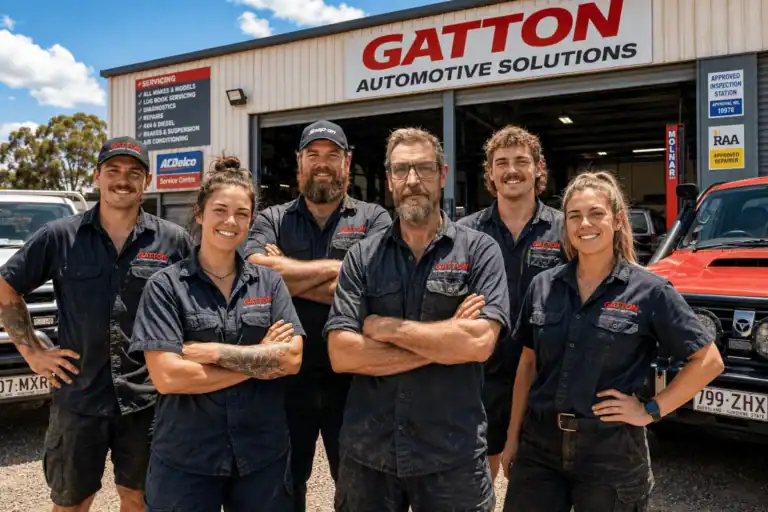
Gatton Automotive Solutions handles everything from everyday passenger cars and Great Wall utes through to trucks, heavy equipment, and farm machinery, all under the one roof. There’s no need to drive to Ipswich or Toowoomba for a cooling system service. We issue roadworthy certificates on-site, fit tyres, do suspension work, and handle smash repairs and custom paintwork, so if your vehicle needs more than one thing attended to, you’re not making multiple trips.
Our pricing is straight. We don’t add jobs that aren’t needed, and if we find something during the inspection that affects your decision, we tell you before we do anything about it. With five-star reviews from drivers across the Lockyer Valley, the feedback consistently comes back to the same things: honest advice, fair pricing, and no run-around.
To book a Great Wall radiator service in Gatton, use the Book Your Free Inspection button on this page, or if you’d prefer to talk through what your vehicle needs first, Call Us Now and we’ll point you in the right direction.