A failing radiator doesn’t always announce itself dramatically. Sometimes it’s a slow coolant leak leaving a small puddle overnight. Other times it’s a temperature gauge that keeps creeping toward the red. For Great Wall owners in Gatton and across the Lockyer Valley, Great Wall radiator replacement is one of those jobs that’s worth taking seriously early, because a cracked or internally blocked radiator will eventually leave you stranded on the side of the road with an overheated engine and a repair bill that grows the longer it’s ignored.
Signs Your Great Wall Radiator May Need Replacing
Radiators don’t always fail all at once. The more common pattern is a gradual deterioration that shows up in a few different ways before things get critical. Knowing what to look for means you can act before the engine takes damage.
- Coolant puddles under the vehicle after overnight parking, particularly a green, orange, or pink-tinted liquid near the front of the car
- Temperature gauge sitting higher than normal or climbing toward the red during regular driving or in slow traffic
- Coolant level dropping repeatedly even after topping up, with no visible external leak
- Discoloured or oily coolant in the overflow reservoir, which can indicate contamination from a head gasket or internal corrosion
- Visible damage to the radiator core, including bent fins, physical cracks, or corrosion around the tank seams or fittings
- Heater not working properly inside the cabin, which can point to restricted coolant flow through a partially blocked radiator
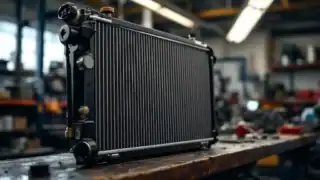
Great Wall vehicles, including the Steed ute and older V-series wagons, use plastic end-tank radiators with aluminium cores. Over time, the plastic tanks can develop hairline cracks at the crimped seams, particularly in vehicles that have done high kilometres or spent time working hard in dusty rural conditions. If you’ve noticed any of the above in your Great Wall, it’s worth having it properly inspected rather than just topping up the coolant and hoping for the best.
What We Do During a Great Wall Radiator Replacement in Gatton
We start with a proper assessment before any parts are ordered. That means checking the coolant level and condition, pressure-testing the cooling system to confirm where the leak is originating, and inspecting associated components including the upper and lower hoses, the radiator cap, the thermostat housing, and the overflow bottle. There’s no point fitting a new radiator and leaving a cracked hose or a faulty cap in place.
Once we’ve confirmed the radiator is the source of the problem, we source a suitable replacement. For Great Wall vehicles, parts availability can vary depending on the model and age, so we handle the sourcing directly from our network of suppliers. We can advise on OEM-equivalent parts versus aftermarket options depending on your situation and budget, and we’ll let you know what’s available before we proceed.
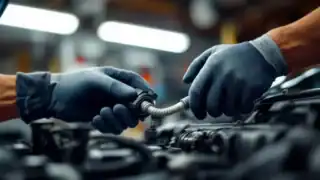
The replacement itself involves draining the old coolant, removing the radiator along with any connected hoses and mounting hardware, fitting the new unit, and refilling with the correct coolant specification. Great Wall’s service documentation specifies coolant type and concentration, and we follow that rather than using a generic alternative. After the new radiator is fitted, we run the engine up to operating temperature and check for leaks, confirm the thermostat is opening correctly, and verify the cooling fans are cutting in when they should.
Other Cooling System Components We Check
A radiator replacement is a sensible time to look at the rest of the cooling system. We’ll inspect the radiator hoses for softness, cracking, or swelling, check the water pump for leaks or bearing noise, and look at the condition of the drive belt if it powers the water pump. Catching a worn hose or a weeping water pump at the same time saves you pulling the front of the engine apart again in six months.
What Affects the Cost and Time Involved
A few things influence how straightforward the job is. Parts availability is the main variable for Great Wall vehicles. Some models have good aftermarket support; others require parts to be ordered, which adds lead time. The condition of surrounding components also matters. If hoses are cracked or the thermostat is showing its age, replacing them at the same time is more efficient than doing it as a separate job later.
We’ll give you a clear picture of what’s needed and what it’ll cost before any work starts. No surprises, no additions that weren’t discussed. That’s how we’ve always operated here in Gatton.
Why Lockyer Valley Drivers Choose Gatton Automotive Solutions
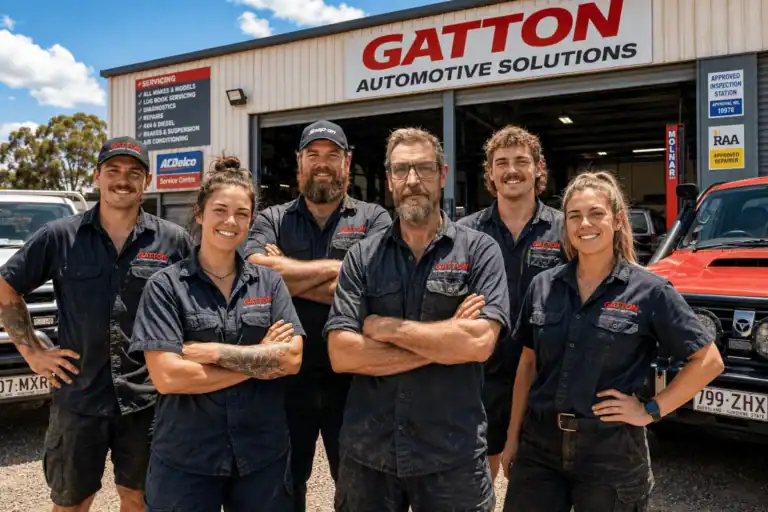
We’re a full-service workshop handling everything from everyday cars and 4WDs through to trucks, heavy equipment, and agricultural machinery. Cooling system work on Great Wall vehicles is a standard part of what we do, and our team is familiar with the quirks these models can throw up.
Being locally owned and operated in Gatton means there’s no need to make the drive to Ipswich or Toowoomba for mechanical work. We source parts directly, which keeps things moving, and we’re straightforward about what a job needs and what it doesn’t. Our five-star reviews reflect the way we approach every job, whether it’s a quick inspection or a full radiator replacement.
If you’re seeing coolant on the driveway or your temperature gauge isn’t behaving, don’t put it off. Give us a call using the Call Us Now button, or Book Your Free Inspection online and we’ll take a look at your Great Wall here in Gatton.