A Great Wall cooling system flush is one of those maintenance jobs that’s easy to overlook until something goes wrong. Coolant doesn’t just keep your engine from overheating; it also prevents internal corrosion, lubricates the water pump, and helps your heater work properly through a cold Lockyer Valley winter. Over time, the coolant in your Great Wall degrades. It loses its ability to control temperature efficiently and can become acidic enough to start attacking the very components it’s meant to protect. Getting a coolant flush done on schedule is a straightforward way to avoid the kind of breakdown that costs far more to fix. At Gatton Automotive Solutions, we carry out Great Wall coolant flushes for drivers across Gatton and the surrounding region.
Signs Your Great Wall Needs a Cooling System Flush
Great Wall vehicles, including popular models like the Steed ute and earlier V-series wagons, use specific coolant formulations that are designed to last a set number of kilometres or years, whichever comes first. Once that coolant breaks down, the signs aren’t always dramatic at first.
- Temperature gauge running higher than normal – if the needle is creeping toward the red more often than it used to, degraded coolant may not be transferring heat away from the engine effectively.
- Discoloured or murky coolant – fresh coolant is typically bright green, orange, or pink depending on the type used. Coolant that looks brown, rusty, or has floating particles has broken down and needs replacing.
- Sweet smell inside the cabin or near the engine bay – this often points to a coolant leak, but it can also indicate coolant that has started to break down chemically.
- Heater blowing lukewarm or inconsistent heat – the heater core relies on coolant flow; poor heat output can signal low coolant volume or a circulation problem linked to contaminated fluid.
- Visible corrosion or white residue around the radiator cap or hoses – this is a sign that acidic coolant has already started degrading components.
If your Great Wall is approaching the manufacturer’s recommended coolant service interval and you haven’t had a flush done, it’s worth booking one even without obvious symptoms. Prevention here is genuinely cheaper than repair.
How We Carry Out a Great Wall Coolant Flush in Gatton
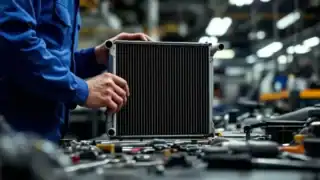
We don’t just drain the old coolant and top it up. A proper flush removes the degraded fluid, the scale, and any loose corrosion products that have built up inside the system. Here’s what we do:
Condition Check Before We Start
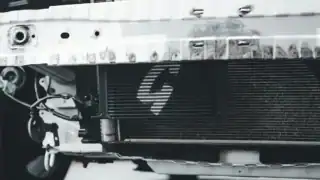
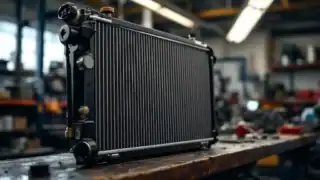
Before draining anything, we check the coolant’s current condition using a test strip and visual inspection. We also look at the overflow reservoir, the radiator cap seal, and the hoses for any signs of cracking, softness, or weeping joints. For Great Wall models, we pay particular attention to the radiator and lower hose connections, which can be prone to softening on higher-mileage vehicles.
Full System Flush and Drain
We drain the existing coolant completely, then run a flushing agent through the system to break up deposits and neutralise acidity. The system is then flushed with clean water before the new coolant goes in. This step matters because adding fresh coolant to a contaminated system just means you’re diluting the problem rather than fixing it.
Refill With the Right Fluid
Great Wall specifies particular coolant types for their engines, and using the wrong formulation can actually cause more corrosion than running old fluid. We source coolant that meets the OEM specification for your Great Wall model, whether that’s a silicate-based or OAT (organic acid technology) formula. We mix it to the correct concentration for Australian conditions, which means it’s rated to handle both hot summers and cold overnight temperatures in the Lockyer Valley.
System Bleed and Pressure Check
Air pockets in the cooling system can cause hot spots and inconsistent temperature readings. After refilling, we bleed the system to remove trapped air and then run a pressure test to confirm there are no leaks at the hoses, radiator, or reservoir cap before handing the vehicle back.
What Affects the Time and Cost of a Coolant Flush?
Most cooling system flushes are straightforward jobs. A few things can affect how long the work takes and what parts may be needed alongside it. If the inspection turns up a cracked hose, a weeping radiator joint, or a water pump seal that’s starting to fail, we’ll let you know what we found before doing any additional work. We don’t replace parts unless they need replacing. The type of coolant specified for your Great Wall model affects parts cost, as OEM-spec fluids vary in price depending on formulation. If your vehicle has a larger coolant capacity, such as a ute with a diesel engine, the volume of fluid needed will be higher than a smaller petrol wagon.
Why Choose Gatton Automotive Solutions for Your Great Wall Service?
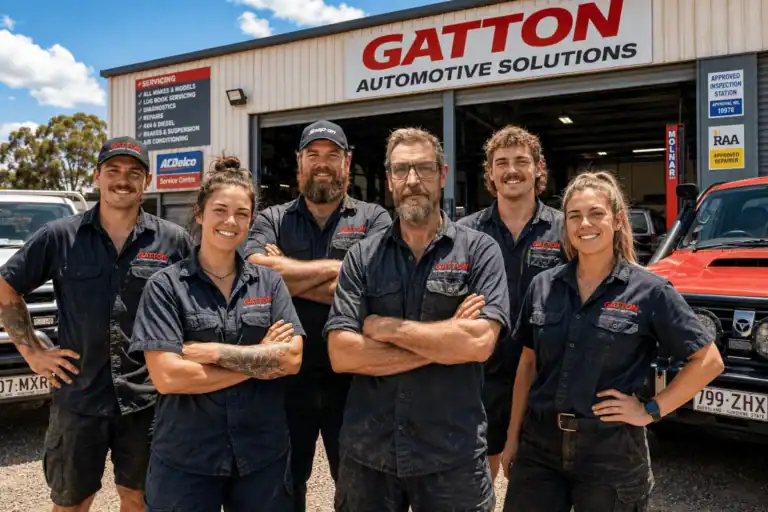
We’re a full-service workshop in Gatton that handles everything from everyday passenger cars to 4WDs, utes, trucks, and heavy equipment. Great Wall owners in the Lockyer Valley don’t need to drive to Ipswich or Toowoomba for a coolant service – we have the parts sourcing, the equipment, and the experience to do it here locally. Our pricing is straightforward, and we’ll always tell you what we found and what we recommend before starting work. With five-star reviews from local drivers, our reputation is built on doing the job properly and being honest about what your vehicle actually needs.
If you’re due for a Great Wall automotive cooling system flush, or you’ve noticed any of the symptoms above, Call Us Now or Book Your Free Inspection online. We’re here in Gatton and ready to help keep your vehicle running reliably.