A failing radiator can turn an ordinary drive into a roadside breakdown fast. Great Wall Radiator Repair is one of the more common cooling system jobs we see at Gatton Automotive Solutions, and for good reason: Great Wall vehicles, particularly the older Steed utes and V200 wagons, are known to put in hard kilometres across the Lockyer Valley and surrounding properties. When the cooling system lets go, it rarely gives you much warning before the temperature gauge climbs into dangerous territory. Catching a radiator problem early is the difference between a straightforward repair and a far more expensive engine job.
Signs Your Great Wall May Have a Radiator Problem
The most obvious sign is coolant appearing where it shouldn’t. You might notice a small puddle under the front of the vehicle after parking, or a faint sweet smell coming through the cabin ventilation. That’s likely coolant, and it points directly to a leak somewhere in the system, with the radiator being a common source.
Beyond visible leaks, keep an eye on:
- Temperature gauge reading high, especially during slow traffic or idling
- Coolant level dropping without any obvious external leak, which can indicate an internal leak or weeping core
- Steam rising from under the bonnet, often accompanied by a sharp drop in engine power as a safety measure kicks in
- Discoloured or rusty coolant in the overflow reservoir, which signals corrosion inside the radiator
- Heater performance dropping off, a sign that coolant flow through the system is restricted
Great Wall utes used in agricultural or tradie work around Gatton and the Lockyer Valley often run in conditions that accelerate radiator wear: dusty environments, heavy loads, lots of idling. Plastic header tanks on these radiators can crack or warp over time, and the aluminium core is susceptible to corrosion if the coolant mixture hasn’t been maintained correctly. If you haven’t had the coolant replaced or tested recently, that alone can shorten the life of the radiator considerably.
How We Diagnose and Repair Great Wall Radiator Issues
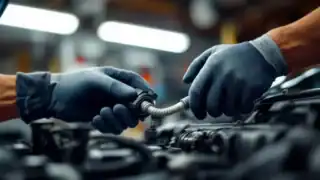
We start with a proper assessment rather than assuming the radiator needs replacing outright. A Great Wall automotive radiator repair often begins with a pressure test on the cooling system, pressurising it to the manufacturer’s specified level to identify where the leak is occurring. This matters because a leak at a hose connection, thermostat housing, or coolant pipe can mimic radiator symptoms but has a much simpler fix.
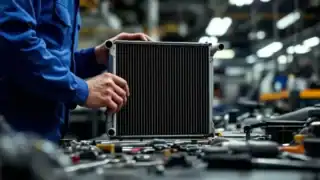
If the radiator itself is the source, we inspect the core for damage, the header tanks for cracks or brittle plastic, and the outlet and inlet necks for stress fractures. On older Steed and V240 models, the lower plastic tank is a known failure point, particularly in vehicles that have seen high underbonnet temperatures over several summers. We also check the radiator cap, which controls system pressure, because a failing cap alone can cause overheating symptoms that look far more serious than they are.
Once we’ve confirmed the fault, we’ll walk you through the options. Depending on the condition of the radiator and the age of the vehicle, a quality replacement unit is often the most practical path, but minor repairs to the core or tank may be appropriate in some cases. We source parts to OEM specification, including using the correct coolant type and concentration for Great Wall’s aluminium engine components. Using the wrong coolant formulation in these engines can cause ongoing corrosion, so getting the fluid right is as important as fixing the leak itself.
What Affects the Cost of a Great Wall Radiator Repair?
A few variables will influence what the job involves and how long it takes. The extent of the damage is the main factor: a weeping end tank is a different job from a radiator that’s been running dry and has pulled contaminants through the system. Parts availability for some Great Wall models can require sourcing from specialist suppliers, which we handle directly, so you don’t need to chase parts yourself. Whether you need a straight radiator replacement or a more involved flush and refill of the entire cooling circuit will also affect the scope of work. We’ll give you a clear rundown before anything is approved.
Keeping Your Great Wall on the Road in Gatton Without Travelling to Ipswich or Toowoomba
One of the practical realities of owning a Great Wall vehicle in a regional area is that specialist parts and service can sometimes mean a trip to a larger centre. Gatton Automotive Solutions handles Great Wall coolant leak repair and radiator work locally, which means you’re not losing a day to a 90-kilometre round trip. We’re a full-service workshop covering cars, 4WDs, utes, trucks, and heavy equipment, so if the radiator job uncovers something else that needs attention, we can deal with it in the same visit rather than booking you somewhere else.
Our team gives you honest advice on what needs doing and what can wait. We don’t push unnecessary work, and we’ll source quality parts without padding the bill. With five-star reviews from local drivers, the feedback speaks to how we operate day to day. Whether it’s a Great Wall radiator service and repair or a more involved cooling system fault, we treat every job the same way.
If your Great Wall is running hot, leaking coolant, or you’ve noticed something that doesn’t seem right, Call Us Now or Book Your Free Inspection online. We’re here in Gatton and ready to help you get it sorted.