A Holden radiator flush is one of those services that tends to get pushed down the maintenance list until something goes wrong. The cooling system in your Holden is working every time the engine runs, and the coolant inside it doesn’t last forever. Over time, it breaks down, becomes acidic, and starts attacking the very components it’s meant to protect. For Holden owners in Gatton and across the Lockyer Valley, keeping on top of this service is one of the most straightforward ways to avoid a costly breakdown on the road.
What Happens When Coolant Gets Old?
Fresh coolant does two jobs: it transfers heat away from the engine, and it contains additives that prevent corrosion inside your radiator, hoses, water pump, and heater core. As those additives deplete, the fluid becomes corrosive rather than protective. In Holden engines, this can lead to internal scaling and rust that gradually clogs narrow cooling passages and reduces how well heat is managed.
Older Holden models with cast-iron engine blocks are particularly susceptible to internal rust if coolant service has been skipped. Even the aluminium engines found in later Commodores and Colorados can suffer from electrolytic corrosion when the coolant pH drops out of the safe range. Neither outcome is cheap to fix once it takes hold.
Signs Your Holden’s Cooling System Needs Attention
Sometimes the signs are obvious. Other times they’re easy to dismiss until you’re pulled over on the highway with steam rising from under the bonnet. Watch for any of the following:
- Temperature gauge climbing higher than normal, especially in stop-start traffic or on a warm day
- A sweet smell coming from the engine bay or through the cabin vents, which can indicate a coolant leak
- Discoloured or murky coolant in the overflow reservoir, often appearing brown, rusty, or oily
- White residue or crusty deposits around the radiator cap, hose connections, or coolant reservoir
- The heater producing less warmth than usual, which can point to a partially blocked heater core
- Coolant level dropping without any visible leak underneath the car
Any one of these is worth having looked at promptly. A cooling system that’s struggling doesn’t always give much warning before it causes serious engine damage.
How We Service Holden Cooling Systems
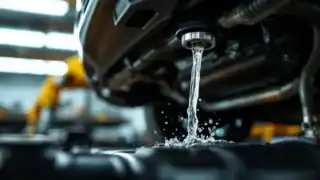
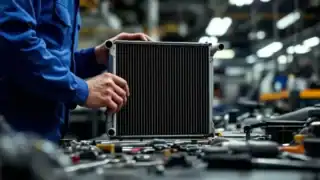
We don’t simply drain and top up. A proper Holden radiator flush involves removing the old coolant completely, flushing the system to dislodge sediment and scale, and refilling with the right coolant type and concentration for your specific model.
Holden’s service schedules specify different coolant types depending on the engine and model year. The V6 and V8 Commodores, the Cruze, the Colorado, and the Captiva all have different requirements, and using the wrong coolant type can actually accelerate corrosion rather than prevent it. We check what your vehicle needs before we start, not after.
During the service, we also inspect the radiator cap (a surprisingly important component that controls system pressure), the condition of upper and lower radiator hoses, the overflow reservoir, and visible connections for any signs of weeping or wear. If we spot a problem, we’ll explain it clearly before doing any additional work.
What We Check During a Holden Radiator Flush
- Coolant condition and pH level before draining
- Radiator cap pressure rating and seal condition
- Hose condition, flexibility, and clamp integrity
- Overflow reservoir for contamination or cracks
- Visible signs of leaks around the thermostat housing and water pump
- Correct coolant type and mix ratio for your model on refill
What Affects the Cost and Time for This Service in Gatton?
For most Holden passenger cars, a radiator flush is a relatively straightforward job that can often be completed while you wait. Utes, larger 4WDs, and turbo-diesel models like the Colorado carry a bigger cooling system capacity, which affects both the amount of coolant required and the time needed. The age of the vehicle matters too. A Holden that’s been well maintained will typically flush cleanly. One that hasn’t had coolant changed in many years may need extra flushing time if there’s significant scale buildup inside the system.
Parts-wise, we’ll use coolant that meets the OEM specification for your Holden. If inspection reveals worn hoses, a faulty thermostat, or a deteriorated radiator cap, we’ll quote those separately and clearly before proceeding. There are no surprises added to your invoice without your say-so.
Why Lockyer Valley Holden Owners Choose Gatton Automotive Solutions
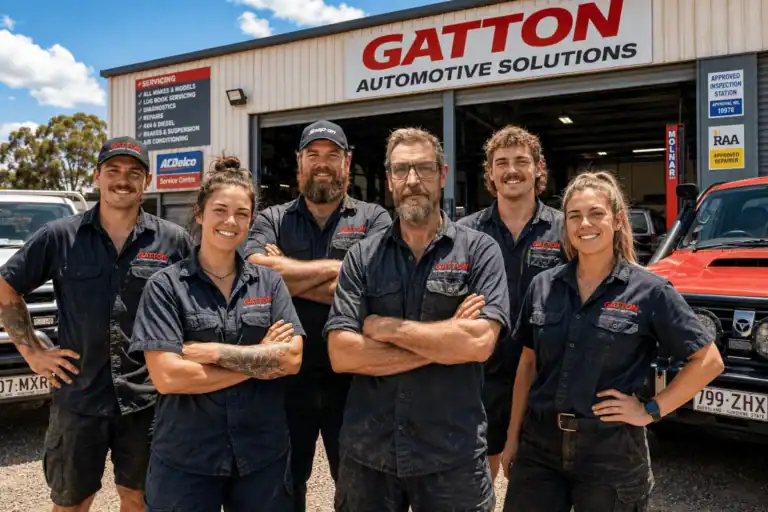
Gatton Automotive Solutions is a full-service workshop handling everything from everyday passenger cars through to 4WDs, utes, trucks, and farm equipment. For Holden owners in Gatton, Laidley, Plainland, and the surrounding valley, that means there’s genuinely no need to drive to Ipswich or Toowoomba for a cooling system service. We handle it here, with honest advice and straight pricing.
Our five-star reviews reflect how we work: we tell you what we find, we explain what needs doing and what can wait, and we don’t recommend work that isn’t needed. Whether your Holden is a daily driver, a work ute, or part of a small business fleet, we’ll treat it the same way.
Ready to get your Holden’s cooling system sorted? Book Your Free Inspection online or Call Us Now to speak with the team at our Gatton workshop.