Limited Time: Free Windscreen Wipers With Any Service. Subject To Availability.

Locally Owned & Operated
Honest Upfront Pricing
5★ Reviews
All Makes & Models

Verified 5★ Reviews

Trusted Ldv Radiator Flush In Gatton

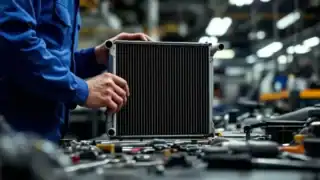
We flush your LDV's radiator and cooling system to remove built-up sediment and corrosion, keeping your engine running at the right temperature. Book a free inspection to see if your coolant needs replacing.

One-Stop Workshop

Honest Advice

5★ Reviews

LDV Cooling Specialists

Book Your Free Inspection

Tell us what you need and we'll get back to you with a clear quote.

Booking Form
  • Vehicle Details
  • Confirm Vehicle
  • Services
  • Contact Details
Honest Quotes
All Vehicle Types
Local & Reliable

Why Book With Us

Book Your Free Inspection
Drop Off Your Vehicle
We Get to Work
Collect Your Car

Coolant doesn’t last forever. Over time, the fluid inside your LDV’s cooling system breaks down, loses its protective properties, and can start causing more problems than it prevents. An LDV radiator flush removes that degraded coolant along with the scale, rust particles, and contaminants that build up inside the system, then refills it with fresh coolant mixed to the correct specification. For LDV owners in Gatton and across the Lockyer Valley, keeping the cooling system in good shape matters year-round, but especially through the warmer months when engines are working harder.

Signs Your LDV Cooling System Needs Attention

A coolant flush isn’t always prompted by a dramatic warning light. Often, the signs are quieter and easy to overlook until something goes wrong. If you notice any of the following with your LDV, it’s worth having the cooling system looked at sooner rather than later.

  • Temperature gauge creeping higher than usual, especially in traffic or while towing
  • Coolant that looks rusty, brown, or murky rather than the clean green, orange, or blue it should be
  • A sweet smell coming from the engine bay, which can indicate a coolant leak or internal contamination
  • Visible residue or scale around the coolant reservoir cap or hose connections
  • Heater output that feels weaker than it used to be, even when the engine is fully warmed up
  • Your LDV has covered significant kilometres since the last coolant change and you’re not sure when it was done

LDV vehicles, including the T60 ute and G10 van, are often used as genuine work vehicles. They get towed up ranges, idled in summer heat, and put through conditions that accelerate coolant degradation faster than the vehicle might see in a cooler climate. If your LDV is doing real work, it pays to stay on top of the cooling system rather than waiting for an overheating incident.

What Does an LDV Radiator Flush Actually Involve?

The process is more involved than simply draining the old coolant and topping it back up. A proper flush means pushing cleaning fluid through the entire system to dislodge built-up deposits, rust scale, and old additive residue that a simple drain would leave behind. Here’s how we approach it at Gatton Automotive Solutions.

Inspection Before the Flush

We don’t just start draining fluid. First, we check the current condition of the coolant using test strips and a visual inspection of the reservoir and radiator cap. We also check the system for leaks, inspect hoses for softness or cracking, and look at the radiator itself for signs of corrosion or blockage. LDV vehicles can develop minor leaks at hose clamps and connection points that are worth catching early, and a flush service is a practical time to catch them.

The Flush Process

Old coolant is fully drained, then a flushing agent is run through the system to clean out deposits. The system is then thoroughly flushed with clean water before the fresh coolant is introduced. We mix the coolant to the correct concentration for your LDV’s system, using fluid that meets the manufacturer’s specification. LDV specifies coolant types that align with its engine and component materials, and using the wrong product or a mismatched mix can cause seal degradation or accelerated corrosion over time.

Post-Service Check

After refilling, we run the engine to operating temperature and check for leaks, confirm the thermostat is opening correctly, and verify the temperature gauge is reading as expected. If we spot anything else worth flagging during the process, we’ll let you know clearly and without pressure.

What Affects the Time and Cost of a Radiator Flush on an LDV?

A straightforward flush on a well-maintained LDV is typically a manageable, relatively quick job. A few things can change that. If the cooling system has significant scale or corrosion buildup, the flush process takes longer to be effective. If we find a leaking hose, a failing radiator cap, or a weeping hose connection during the inspection, those are separate repairs that need to be addressed before or alongside the flush. Using coolant that genuinely meets LDV’s spec matters too, and that’s factored into how we source parts and fluids for the job. We’ll give you a clear rundown of what’s involved before any work starts.

Why Have Your LDV Serviced at Gatton Automotive Solutions?

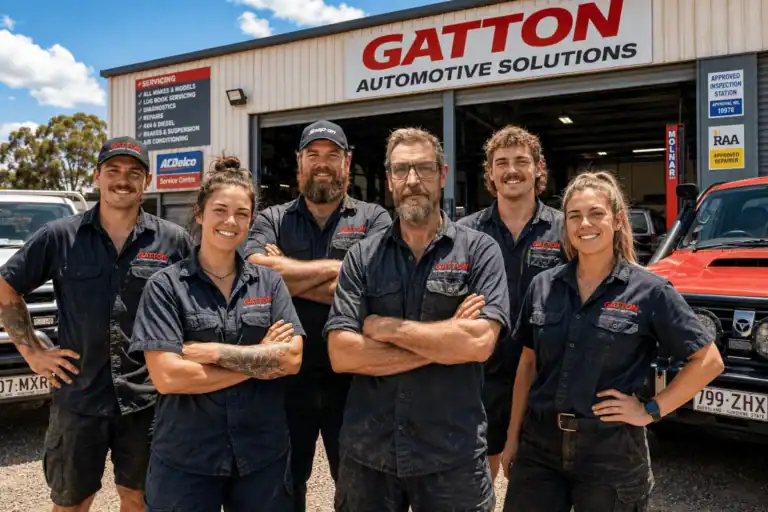
Gatton Automotive Solutions handles everything from everyday passenger cars through to 4WDs, utes, vans, trucks, and heavy equipment, all under one roof in Gatton. You don’t need to drive to Ipswich or Toowoomba to get your LDV’s cooling system properly serviced. Our team works across the full range of mechanical and repair services, so if we find something else during your flush service, we can often address it the same visit rather than sending you somewhere else.

We’re locally owned and operate with a straightforward approach: tell you what we find, explain what actually needs doing, and price it fairly. No upselling, no unnecessary work. The workshop also handles roadworthy certificates, suspension, tyres, smash repairs, and parts sourcing in-house, which makes us genuinely useful for LDV owners who need more than one thing looked at. With five-star reviews from Lockyer Valley locals, we let the work speak for itself.

If your LDV’s temperature gauge has been creeping up, you can’t remember the last coolant change, or you just want the cooling system checked over before summer, Call Us Now or Book Your Free Inspection online. We’re here in Gatton and ready to help.
Other Services

Whatever your needs we have you covered, see some similar services below or click "See All Services" to explore our full service offering.

Your Local Workshop for Every Vehicle

Gatton Automotive Solutions is the one-stop shop for cars, 4WDs, trucks, and heavy equipment. Honest advice and fair pricing, right here in Gatton.

Honest Pricing, No Surprises

We tell you what’s needed and what it costs before we start. No upselling, no pressure.

Everything Under One Roof

Bring your car in and we’ll inspect it, explain what we find, and quote you upfront.

LDV-Trained Technicians

We know LDV cooling systems inside out and source the right parts first time.

How LDV Radiator Flush Works

From booking your free inspection to driving away with a clean, efficient cooling system, we handle every step.

Step 1

Book Your Free Inspection

Call Us Now or Book Your Free Inspection to arrange your LDV radiator flush and cooling system check.

Step 2

Cooling System Assessment

We inspect your radiator, hoses, and coolant condition, then test your LDV's cooling performance under load.

Step 3

Complete Radiator Flush

We remove old coolant, flush the entire system, and refill with quality coolant suited to your LDV.

Step 4

Ready To Drive

We test your cooling system, verify temperature control, and hand over your LDV running at its best.

Five-Star Rated

Verified 5★ Reviews

Quality Parts From Trusted Suppliers

We use genuine and quality aftermarket parts from reputable suppliers. You get reliable components backed by proper warranties.

Book Your Free Inspection

Tell us what you need and we'll get back to you with a clear quote.

Booking Form
  • Vehicle Details
  • Confirm Vehicle
  • Services
  • Contact Details
Honest Quotes
All Vehicle Types
Local & Reliable

Why Book With Us

Book Your Free Inspection
Drop Off Your Vehicle
We Get to Work
Collect Your Car

Frequently Asked Questions

Browse answers to common questions about our services. Can't find what you're after? Give us a call and we'll help.

Most LDV radiator flushes are completed in around one to two hours, so a same-day while-you-wait service is generally straightforward. The process involves draining the old coolant, flushing the cooling system to clear out built-up deposits and contaminants, then refilling with fresh coolant to the correct specification. If we spot any worn hoses, a dodgy thermostat, or early signs of a failing water pump during the flush, we’ll let you know before doing any extra work.

Old coolant loses its ability to prevent corrosion, which means rust and scale can build up inside the radiator, heater core, and water pump over time. Left long enough, this leads to blocked passages, reduced cooling efficiency, and eventually overheating. An overheating engine is a serious problem for any vehicle, but particularly for LDV vans and utes that spend long hours working under load. Catching degraded coolant early through a timely flush is far cheaper than dealing with a blown head gasket or a seized engine.

Yes. LDV specifies particular coolant types depending on the engine, and using the wrong product can cause corrosion or chemical incompatibility inside the cooling system. Many LDV diesel engines require an OAT (organic acid technology) coolant, and mixing types is something to avoid. We source coolant that meets LDV’s specifications and match it to your specific model and engine variant, whether you’re running a V80, Deliver 9, or another LDV in the range.

Under ACCC guidance, Australian consumers are generally free to have their vehicles serviced by qualified independent mechanics without voiding the manufacturer’s warranty, provided the work is carried out to the required standard and correct parts and fluids are used. This is general information rather than legal advice, so it’s worth checking your specific warranty terms if you’re unsure. We record all work carried out and can stamp your logbook, helping you maintain a proper service history for your LDV.

For most LDV models, a coolant flush is typically recommended every two years or around 40,000 to 50,000 kilometres, though your owner’s manual is the best reference for your specific variant. Vehicles used in hot conditions, towing regularly, or covering high annual kilometres may benefit from more frequent attention. If you’re based around Gatton and your LDV is doing hard work on rural roads or farm runs, it’s worth having the coolant condition checked at each major service interval rather than relying purely on mileage.

We start by inspecting the cooling system visually, checking hoses, clamps, the radiator cap, and the overflow reservoir for any obvious wear or leaks. The old coolant is then drained and the system is flushed with clean water or a specialist flushing fluid to remove deposits and residue. Once the system is clean, we refill it with fresh coolant mixed to the correct ratio for Australian conditions. Before we hand the vehicle back, we check for leaks and confirm the system is holding pressure properly.

Coolant that has turned brown or rusty in colour, a sweet smell from the engine bay, the temperature gauge creeping higher than normal, or visible sludge around the radiator cap are all signs the cooling system needs attention. A heater that blows lukewarm air rather than hot can also point to a blocked heater core caused by contaminated coolant. If you notice any of these, it’s worth booking an inspection rather than waiting for the next scheduled service interval.

We don’t quote fixed prices here because the cost varies depending on your LDV model, the coolant specification required, and whether any additional work is needed. Factors like the system capacity, the type of coolant specified for your engine, and whether flushing fluid is required all play a part. The best approach is to Call Us Now or Book Your Free Inspection so we can give you an accurate quote based on your specific vehicle.

Topping up is fine for maintaining the correct level, but it doesn’t remove the degraded coolant already in the system. Over time, old coolant breaks down and loses its corrosion inhibitors regardless of how much fresh coolant is added on top. A flush drains the system entirely and replaces the fluid, which is the only way to restore proper corrosion protection. If your LDV’s coolant is due for a change, topping it up is a short-term measure rather than a substitute for the full service.

We use coolant that meets LDV’s published specifications for each model, which may be OEM-equivalent rather than dealer-supplied, but is matched to the correct standard. Using a product that meets the manufacturer’s specification is what matters for protecting the cooling system and maintaining your service records. We’ll confirm the correct coolant type for your engine before we start, particularly for LDV diesel variants that require a specific OAT-compatible formula.

If the temperature gauge is reading higher than normal but the engine hasn’t overheated yet, driving a short distance carefully may be possible, but it carries risk. If the gauge is in the red or you can see steam from the bonnet, stop the vehicle safely and don’t drive it further. Continuing to run an overheating engine can cause serious internal damage very quickly. In that situation, it’s better to call for assistance than to risk the drive. If you’re in the Gatton area, Call Us Now for advice.

The best place to check is your logbook or service records, which should note the date and odometer reading when the coolant was last replaced. If you’ve bought the vehicle second-hand and the records are incomplete, a visual inspection of the coolant colour and condition can give a rough indication, though it’s not always definitive. We can test the coolant’s condition and freeze protection level when you Book Your Free Inspection, which helps determine whether a flush is due regardless of what the paperwork shows.

Continue to site