Limited Time: Free Windscreen Wipers With Any Service. Subject To Availability.

Locally Owned & Operated
Honest Upfront Pricing
5★ Reviews
All Makes & Models

Verified 5★ Reviews

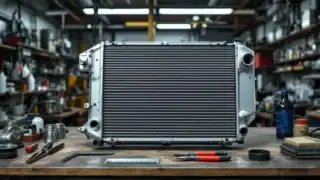
Affordable Japanese Vehicles Radiator Flush In Gatton

A radiator flush at Gatton Automotive Solutions removes built-up corrosion and old coolant from your Japanese vehicle, preventing overheating and extending cooling system life. Call Us Now to book.

One-Stop Workshop

Honest Advice

5★ Reviews

Japanese Cooling Specialists

Book Your Free Inspection

Tell us what you need and we'll get back to you with a clear quote.

Booking Form
  • Vehicle Details
  • Confirm Vehicle
  • Services
  • Contact Details
Honest Quotes
All Vehicle Types
Local & Reliable

Why Book With Us

Book Your Free Inspection
Drop Off Your Vehicle
We Get to Work
Collect Your Car

A Japanese vehicles radiator flush is one of those services that doesn’t always feel urgent until the day your temperature gauge climbs and you’re stuck on the Warrego Highway with steam coming from under the bonnet. Coolant breaks down over time, losing its ability to transfer heat and protect metal surfaces from corrosion. For Japanese-made vehicles, which are among the most common on Gatton roads, keeping the cooling system in good shape directly affects engine longevity and day-to-day reliability. At Gatton Automotive Solutions, we carry out radiator flushes on Toyotas, Hondas, Mazdas, Subarus, Nissans, Mitsubishis, and the full range of Japanese makes driven throughout the Lockyer Valley.

Signs Your Japanese Vehicle Needs a Radiator Flush

Coolant doesn’t announce when it’s exhausted. Most drivers only notice a problem once something visible or physical changes. If you’re seeing any of the following, it’s worth getting the cooling system looked at sooner rather than later.

  • Temperature gauge running higher than normal, especially in stop-start traffic or on longer Lockyer Valley runs
  • Coolant that looks rusty, brown, or murky rather than the clear red, blue, or green it started as
  • A sweet smell inside the cabin, which can indicate coolant vapour entering through a leak or heater core issue
  • Visible residue or scaling around the radiator cap or overflow tank
  • Heating that takes longer than usual to warm up in winter, which can point to thermostat or coolant flow issues
  • Your logbook service interval has passed and the coolant hasn’t been changed in several years

Japanese manufacturers including Toyota, Honda, and Mazda typically recommend coolant changes every 2 to 5 years depending on the fluid type used. Many later-model Japanese vehicles run on long-life coolant, sometimes labelled SLLC (Super Long-Life Coolant), which has a different service interval to conventional green coolant. Using the wrong type during a top-up is a surprisingly common mistake that shortens cooling system life.

What Happens During a Radiator Flush on Japanese Vehicles

The process goes well beyond draining and refilling. Our technicians start by checking the current condition of the coolant, measuring its pH and freeze point to assess how far it has degraded. We inspect the radiator, hoses, clamps, and overflow reservoir for any visible signs of wear or leaking before anything is drained.

The old coolant is removed and the system is flushed to clear out built-up deposits and scale. This matters more than it sounds. Japanese aluminium engines and alloy components are more sensitive to the electrochemical corrosion that degraded coolant can cause. Once the system is clean, we refill it with a coolant that meets the specification your vehicle requires, whether that’s Toyota’s pink SLLC, Honda’s blue coolant, or the appropriate equivalent for your make and model.

After filling, the system is bled to remove any trapped air pockets. Air in the cooling system can cause hot spots, erratic temperature readings, and heater performance issues. We run the engine up to operating temperature and check for leaks, confirm the thermostat is opening correctly, and verify that the cooling fans are activating when they should. For Subarus with their horizontally-opposed engines and specific coolant routing, or Nissan Patrols and HiLux 4WDs that get worked hard on Lockyer Valley properties, a thorough bleed is especially important.

What Affects the Time and Cost of a Radiator Flush

The core service is generally straightforward, but a few variables affect how long it takes and what it involves. Larger cooling systems, such as those on turbo diesel 4WDs and dual-cab utes common in this area, hold more coolant and take longer to flush and bleed properly. Vehicles with significant scale build-up may benefit from a dedicated flush agent to loosen deposits before draining.

Parts costs vary depending on whether you need a genuine OEM-spec fluid or a quality aftermarket equivalent that meets your manufacturer’s standards. We’ll always tell you what your vehicle requires and give you a clear picture of what’s involved before the work starts. No surprises, no work you didn’t ask for.

If inspection reveals a related issue, such as a deteriorating hose, a leaking radiator, or a suspect thermostat, we’ll let you know what we’ve found and what’s recommended. You make the call on how to proceed.

Radiator Flush for Japanese Vehicles in Gatton and the Lockyer Valley

Gatton Automotive Solutions is a full-service workshop handling everything from everyday passenger cars to heavy vehicles and farm equipment. That means your daily Corolla, your family Prado, or your work Navara all get looked after in one place, without a trip to Ipswich or Toowoomba. We carry parts, which means less waiting around for orders to arrive. Our team has worked on the full range of Japanese makes and understands the differences between them, from fluid specifications to model-specific cooling system layouts.

We’re locally owned and operated in Gatton, and we’re straightforward about what we find and what it costs. If the job is quick enough for a while-you-wait booking, we’ll tell you. If it needs more time, we’ll work with you on what suits.

If your Japanese vehicle is overdue for a coolant change, or you’re not sure when it was last done, Book Your Free Inspection online or Call Us Now to talk through what your car needs.
Other Services

Whatever your needs we have you covered, see some similar services below or click "See All Services" to explore our full service offering.

Your Local Workshop for Every Vehicle

Gatton Automotive Solutions is the one-stop shop for cars, 4WDs, trucks, and heavy equipment. Honest advice and fair pricing, right here in Gatton.

Honest Pricing, No Surprises

We tell you what’s needed and what it costs before we start. No upselling, no pressure.

Everything Under One Roof

Bring your car in and we’ll inspect it, explain what we find, and quote you upfront.

Right Parts Sourced First Time

We source quality parts suited to Japanese cooling systems so the job gets done properly.

How Japanese Radiator Flush Works

A straightforward four-step process to flush your Japanese vehicle's cooling system and restore peak performance.

Step 1

Book Your Free Inspection

Call Us Now or book your free inspection to discuss your cooling system condition and flush needs.

Step 2

Cooling System Assessment

We inspect coolant condition, test system pressure, and check for corrosion using Japanese vehicle diagnostics.

Step 3

Complete Radiator Flush

We flush the entire system and refill with quality OEM-spec coolant suited to your Japanese vehicle.

Step 4

System Test and Handover

We pressure test the system, verify proper temperature control, and confirm everything runs smoothly before collection.

Five-Star Rated

Verified 5★ Reviews

Quality Parts From Trusted Suppliers

We use genuine and quality aftermarket parts from reputable suppliers. You get reliable components backed by proper warranties.

Book Your Free Inspection

Tell us what you need and we'll get back to you with a clear quote.

Booking Form
  • Vehicle Details
  • Confirm Vehicle
  • Services
  • Contact Details
Honest Quotes
All Vehicle Types
Local & Reliable

Why Book With Us

Book Your Free Inspection
Drop Off Your Vehicle
We Get to Work
Collect Your Car

Frequently Asked Questions

Browse answers to common questions about our services. Can't find what you're after? Give us a call and we'll help.

Most Japanese vehicles benefit from a coolant flush every two to three years, or around every 40,000 to 60,000 kilometres, though your owner’s manual is the best reference for your specific model. Japanese manufacturers like Toyota, Honda, Mazda, and Subaru often use long-life coolant from the factory, which can give owners a false sense that the fluid lasts indefinitely. Over time, coolant breaks down, loses its corrosion-inhibiting properties, and can allow scale and rust to build up inside the system.

Degraded coolant stops protecting the metals inside your cooling system, which can lead to corrosion, scale deposits, and eventually overheating. Japanese engines, particularly aluminium-intensive designs found in many Hondas and Toyotas, are more vulnerable to corrosion damage when old coolant turns acidic. If your temperature gauge starts creeping up, you notice a sweet smell under the bonnet, or your heater is not warming the cabin properly, these are signs the cooling system needs attention. Overheating even once can cause serious engine damage.

We drain the old coolant from the system, flush it through with clean water to remove loose deposits and residue, then refill with fresh coolant mixed to the correct ratio for your vehicle. We also check hoses, clamps, and the radiator cap for condition while the system is open. On Japanese vehicles, we cross-reference the manufacturer’s specified coolant type, since using the wrong formulation can cause corrosion in aluminium components. The whole process is typically completed within a couple of hours.

Under ACCC guidance, Australian consumer law generally does not require you to have your vehicle serviced at a dealership to maintain your manufacturer warranty, provided the work is carried out by a qualified mechanic using appropriate parts and fluids. This is general information rather than legal advice, so we’d recommend checking your specific warranty terms if you are unsure. Our team here in Gatton uses the correct coolant specifications for your make and model and documents the service properly, which is what matters.

The main cost variables are the volume of coolant your system holds, the type of coolant specified by the manufacturer, and whether any components like hoses or the radiator cap need replacing at the same time. Some Japanese vehicles, particularly larger SUVs and utes, hold significantly more coolant than a small hatchback, which affects fluid costs. If the system has heavy scale or corrosion build-up, additional flushing may be needed. We give you a clear picture of what is involved before any work starts.

Yes, coolant specifications vary between manufacturers and even between model lines. Subaru engines, including the EJ and FA series, are known to be particular about coolant chemistry, and using an incompatible product can accelerate corrosion in the head gasket area, which is already a known weak point on some models. Toyota specifies Super Long Life Coolant for most modern vehicles, which is a different formulation to standard green coolant. Matching the right product to your specific Japanese vehicle is part of what we check before every flush, not something we guess at.

Common indicators include coolant that appears discoloured, rusty, or murky rather than its original bright colour, a sweet smell near the bonnet, or a temperature gauge that runs higher than usual. If it has been more than two to three years since the last service, that alone is worth acting on. Checking the coolant reservoir is something most owners can do visually, but a proper assessment of the fluid’s condition and the system’s overall health is best left to a qualified mechanic.

In most cases, yes. A radiator flush on a Japanese vehicle is typically completed within a couple of hours, so same-day turnaround is common when the vehicle is booked in and parts are on hand. If we find additional issues during the inspection, such as a leaking hose or a worn radiator cap, we will let you know before proceeding so you can decide how you want to handle it. Call Us Now to check availability at our Gatton workshop.

Continue to site