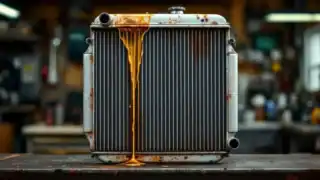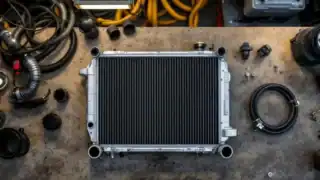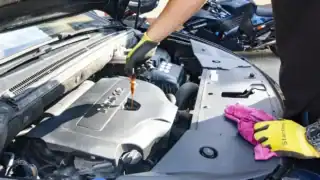
Coolant degrades over time, and in a Suzuki engine that can cause real problems. A Suzuki radiator flush removes old, contaminated coolant and replaces it with fresh fluid that actually protects your engine from overheating, corrosion, and internal scale build-up. It’s one of those services that’s easy to overlook until something goes wrong, but staying on top of it is one of the cheaper ways to protect a vehicle that might have many years of work ahead of it. For Suzuki owners in Gatton and around the Lockyer Valley, we handle this in-house without the trip to Ipswich or Toowoomba.
Why Coolant Doesn’t Last Forever in a Suzuki
Suzuki uses specific coolant formulations across its range, and the chemistry matters. Over time, the inhibitor package in the coolant breaks down. When that happens, the fluid becomes acidic rather than protective, and it starts attacking the very metal surfaces it’s supposed to shield. Aluminium components are especially vulnerable, and Suzuki engines rely heavily on aluminium in the cylinder head, water pump housing, and radiator construction.
Old coolant also loses its ability to transfer heat efficiently, which means your engine runs hotter than it should even when nothing else is wrong. In a Lockyer Valley summer, that extra heat load isn’t trivial.
Signs Your Suzuki May Be Due for a Coolant Flush
There’s no dramatic warning sign that forces the issue, which is part of why this service gets skipped. But there are things worth watching for:
- Temperature gauge running higher than usual, particularly in slow traffic or on hot days
- Coolant that looks brown, rusty, or murky rather than clean green, pink, or blue depending on your model
- A sweet smell from the engine bay, which can indicate coolant burning off somewhere it shouldn’t be
- Visible residue or deposits around the overflow reservoir or radiator cap
- Heater output that feels weaker than normal, which can indicate restricted flow through the heater core
Suzuki’s service schedules generally recommend coolant replacement at regular intervals, though this varies by model and year. Swift, Vitara, Jimny, S-Cross, and Grand Vitara models can have different factory-recommended intervals, so it’s worth checking what your specific vehicle calls for rather than assuming a one-size-fits-all interval.
What Happens During a Suzuki Radiator Flush at Our Workshop
We start by checking the current state of the coolant, the overflow reservoir level, and the condition of the radiator cap. The cap is often overlooked, but a cap that no longer holds pressure correctly will affect the entire system’s performance. From there, we drain the old coolant fully rather than just topping up the existing fluid.
A proper flush means running clean water through the system to remove loosened scale, rust particles, and degraded inhibitor residue before the new coolant goes in. Skipping that step and simply draining and refilling leaves a lot of contamination behind, which shortens the life of the new fluid significantly.
We then fill the system with a coolant that meets Suzuki’s specifications for your model. Suzuki has shifted between different coolant types across its range over the years, including a long-life coolant in newer models, so using a compatible fluid matters for both protection and avoiding any reaction with existing seals or components. Once filled, we bleed any air pockets from the system, check for leaks, and verify the temperature gauge is reading correctly under normal operating conditions.
Checking Related Components While We’re In There
A coolant flush is a good opportunity to check the condition of the radiator hoses, the thermostat housing, and the water pump weep hole for early signs of failure. On some Suzuki models, the water pump is driven by the timing belt, which means a pump failure and a belt service can be closely linked. If we notice anything worth your attention, we’ll let you know before any additional work is done.
What Affects the Cost and Time for This Service in Gatton
The main variables are the size of the cooling system in your Suzuki, the type of coolant specified for your model, and whether any related components need attention at the same time. A compact Suzuki Swift has a smaller system than a Vitara or Grand Vitara, so fluid volume differs. If the thermostat, radiator cap, or hoses need replacing while we’re in there, that adds time and parts cost, but it also means you’re not bringing the car back a few weeks later.
We handle parts sourcing in-house, which keeps things moving without delays waiting on external suppliers. We’ll talk you through what’s needed before we proceed, so there are no surprises when you pick up the car.
Why Choose Gatton Automotive Solutions for Your Suzuki Cooling System
We’re a full-service workshop in Gatton covering cars, 4WDs, trucks, and heavy equipment, all under one roof. For Suzuki owners in the Lockyer Valley, that means general mechanical work, cooling system servicing, logbook servicing, tyres, suspension, and roadworthy certificates are all available locally without the drive to a regional centre. We’ve built a reputation here on honest advice and fair pricing, which is reflected in our five-star reviews from local drivers.
We don’t recommend work that isn’t needed, and we’ll always explain what we found and why something matters before asking you to commit to it.
To book a Suzuki radiator flush or ask a question about your vehicle’s cooling system, Call Us Now or use the online booking form to Book Your Free Inspection at our Gatton workshop.