Limited Time: Free Windscreen Wipers With Any Service. Subject To Availability.

Locally Owned & Operated
Honest Upfront Pricing
5★ Reviews
All Makes & Models

Verified 5★ Reviews

Affordable Ldv Radiator Repair In Gatton

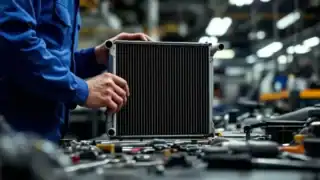
Gatton Automotive Solutions diagnoses and repairs LDV radiator faults before they cause serious engine damage. Get straight advice on repair or replacement options from your local Gatton workshop.

One-Stop Workshop

Honest Advice

5★ Reviews

LDV Cooling Specialists

Book Your Free Inspection

Tell us what you need and we'll get back to you with a clear quote.

Booking Form
  • Vehicle Details
  • Confirm Vehicle
  • Services
  • Contact Details
Honest Quotes
All Vehicle Types
Local & Reliable

Why Book With Us

Book Your Free Inspection
Drop Off Your Vehicle
We Get to Work
Collect Your Car

A radiator that’s not doing its job puts your LDV at real risk of overheating, and in a working vehicle, that’s more than just an inconvenience. LDV radiator repair is one of those jobs where catching the problem early makes a significant difference to what’s involved and what it costs. Whether you’re running a T60 ute on the farm, a Deliver 9 van between Gatton and Ipswich, or a G10 people mover for the family, keeping the cooling system in good shape is what keeps the engine alive. Our team at Gatton Automotive Solutions handles LDV coolant leak repair and radiator work for the full range of LDV models, alongside everything from everyday car servicing to heavy equipment work.

Signs Your LDV Radiator Needs Attention

LDV vehicles are solid workhorses, but their cooling systems aren’t immune to wear, impact, or the kind of stress that comes with Queensland summers and long regional drives. A small leak or a partially blocked core can quietly push an engine toward damage before you notice much at all.

Here are the warning signs worth acting on:

  • Temperature gauge climbing higher than normal, especially in slow traffic or when towing
  • Coolant puddles under the vehicle after parking, often orange, green, or pink in colour depending on the fluid type
  • White steam or a sweet smell coming from under the bonnet
  • Coolant level dropping between top-ups without any visible external leak
  • Sludge or discolouration in the overflow reservoir, which can signal contamination or internal corrosion
  • Heater not warming the cabin properly, which can point to low coolant flow or a partially blocked system

LDV’s T60 models in particular have been known to develop radiator wear in higher-kilometre examples, especially those used for towing or in dusty rural conditions. The plastic end tanks and aluminium core combination used across many LDV models can be vulnerable to cracking at joints and seams over time, so catching a small seep early is much better than dealing with a full failure on the road.

What We Check and How We Approach LDV Radiator Repairs

We don’t just replace parts and hope for the best. The first step with any LDV radiator repair service is understanding where the problem is actually coming from and whether the radiator is the only component involved.

Our process typically covers:

  • A pressure test on the cooling system to locate leaks that aren’t visible at rest
  • Inspection of the radiator core, end tanks, and hose connections for cracks, weeping seams, or softening rubber
  • Checking the thermostat and coolant flow to rule out blockage or thermostat failure alongside the radiator issue
  • Assessment of the radiator cap and overflow system, since a failing cap can cause pressure issues that look like a leak
  • Looking at the cooling fans, both mechanical and electric, to confirm they’re operating correctly at the right temperature thresholds
  • Where relevant, checking for signs of head gasket involvement, since a leaking head gasket can push combustion gases into the coolant system and accelerate radiator damage

For LDV models, we source parts that meet OEM specifications or genuine-equivalent quality. Using the correct coolant type matters too. LDV vehicles generally require a specific coolant mix, and topping up with an incompatible type can cause internal corrosion in the aluminium components. We flush and refill with the appropriate fluid as part of any radiator replacement or major coolant system repair.

What Affects the Cost and Time of an LDV Radiator Repair in Gatton?

Radiator repair costs vary depending on what’s actually wrong. A small external leak might be addressed with a hose replacement and pressure test, while a cracked core or failed end tank will likely need a full radiator replacement. There’s a meaningful difference in what’s involved between the two.

Parts availability for LDV models has improved significantly as the brand has grown in Australia, but some specific components can take longer to source than high-volume mainstream brands. We handle parts sourcing directly, so you don’t need to track anything down yourself. We’ll let you know what’s required, what it costs, and how long parts will take before any work begins.

The age and condition of surrounding components also affects the scope of the repair. If hoses are brittle, the thermostat is past its useful life, or the coolant has never been flushed, addressing those items at the same time saves labour costs down the track and gets the system back to full health in one visit.

Why Choose Gatton Automotive Solutions for LDV Cooling System Work

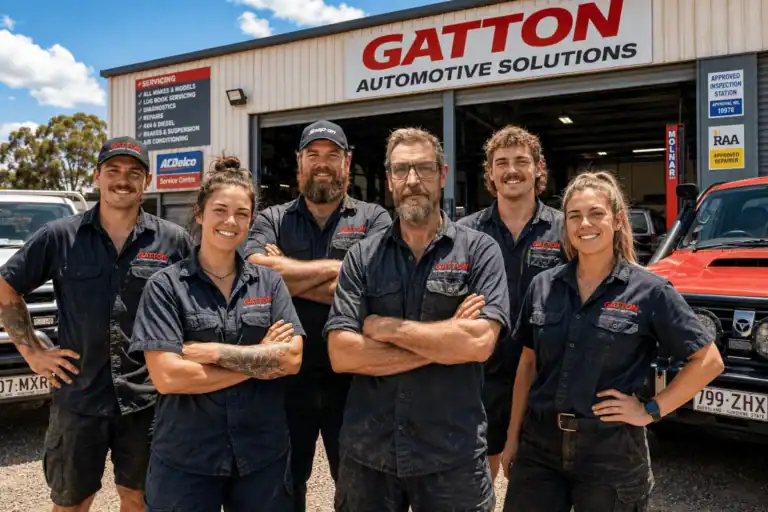
We’re a full-service workshop based right here in Gatton, which means LDV owners throughout the Lockyer Valley don’t need to drive to Ipswich or Toowoomba for quality mechanical work. Our team handles everything from light vehicles and 4WDs through to trucks and heavy equipment, so LDV commercial operators, tradies, and farm vehicle owners are all familiar territory for us.

We give honest advice and straight pricing. If your radiator can be repaired rather than replaced, we’ll tell you. If it can’t, we’ll explain why. We don’t add work to a job unless it’s genuinely needed, and we keep you informed at every step. With five-star reviews, our reputation in the local area speaks for itself.

If your LDV is running warm, showing a coolant leak, or you just want the cooling system checked before a long trip or a heavy tow, Call Us Now or Book Your Free Inspection online. We’ll take a proper look and tell you exactly what’s going on for drivers across the Gatton region.
Other Services

Whatever your needs we have you covered, see some similar services below or click "See All Services" to explore our full service offering.

Your Local Workshop for Every Vehicle

Gatton Automotive Solutions is the one-stop shop for cars, 4WDs, trucks, and heavy equipment. Honest advice and fair pricing, right here in Gatton.

Honest Pricing, No Surprises

We tell you what’s needed and what it costs before we start. No upselling, no pressure.

Everything Under One Roof

Bring your car in and we’ll inspect it, explain what we find, and quote you upfront.

LDV-Trained Diagnostic Team

We know LDV cooling systems inside out, so faults are found fast and fixed right.

How LDV Radiator Repair Works

From diagnosis through to completion, here's how we fix LDV cooling issues and get your vehicle back on the road.

Step 1

Book Your Free Inspection

Call us or book your free inspection to have your LDV's radiator and cooling system assessed by our technicians.

Step 2

Cooling System Diagnosis

We pressure test your radiator, check coolant condition, inspect hoses and connections, and scan for LDV fault codes.

Step 3

Radiator Repair or Replacement

We repair leaks, replace damaged radiators, flush coolant, and restore your LDV's cooling performance.

Step 4

Final Check and Collection

We verify cooling system function, top up fluids, and hand over your LDV running cool and ready for the road.

Five-Star Rated

Verified 5★ Reviews

Quality Parts From Trusted Suppliers

We use genuine and quality aftermarket parts from reputable suppliers. You get reliable components backed by proper warranties.

Book Your Free Inspection

Tell us what you need and we'll get back to you with a clear quote.

Booking Form
  • Vehicle Details
  • Confirm Vehicle
  • Services
  • Contact Details
Honest Quotes
All Vehicle Types
Local & Reliable

Why Book With Us

Book Your Free Inspection
Drop Off Your Vehicle
We Get to Work
Collect Your Car

Frequently Asked Questions

Browse answers to common questions about our services. Can't find what you're after? Give us a call and we'll help.

Most LDV radiator repairs are completed within a few hours, though the exact time depends on the extent of the damage and whether parts need to be sourced. A minor leak repair or re-core job on a standard LDV van or ute can often be turned around the same day. More involved work, like a full radiator replacement combined with a coolant flush, may take a little longer. We’ll give you a realistic timeframe once we’ve had a look at what’s going on.

Continuing to drive with a coolant leak puts your engine at serious risk of overheating. Once the coolant level drops too low, engine temperatures can spike quickly, leading to warped cylinder heads or worse. LDV engines, particularly in the T60 ute and G10 van, can suffer costly internal damage if overheating goes unchecked. If your temperature gauge is climbing, you see steam from the bonnet, or you smell something sweet under the car, stop driving and get the vehicle inspected as soon as possible.

LDV T60 utes and the G10 van series have shown some susceptibility to coolant hose wear and radiator end-tank cracking, particularly on higher-kilometre vehicles used in hot or dusty conditions. These aren’t universal faults, but they’re worth being aware of during routine checks. If your LDV is regularly working hard, towing, or running in warmer inland areas, the cooling system is worth inspecting proactively rather than waiting for a warning sign to appear.

Under ACCC guidance, Australian consumer law generally does not require you to have your vehicle serviced or repaired at a dealership to maintain your new car warranty, provided the work is carried out by a qualified mechanic using appropriate parts. This is general information, not legal advice, so we’d recommend checking your specific warranty conditions if you have questions. We can document the work carried out to support your service records.

We start by pressure-testing the cooling system to pinpoint exactly where the fault is. Depending on what we find, the repair might involve fixing a leaking hose, resealing or re-coring the radiator, or replacing it entirely. We drain and flush the old coolant, carry out the repair, refill with the correct coolant type for your LDV, and pressure-test again before handing the vehicle back. Here in Gatton, we stock common parts and handle the whole job in-house, so there’s no waiting around while work is sent elsewhere.

As a general guide, having the cooling system inspected at least once a year or in line with your LDV’s recommended service intervals is a sensible habit. Coolant doesn’t last forever – the inhibitors that protect your radiator and hoses from corrosion break down over time. Vehicles doing heavier work, like towing or regular highway runs through the Lockyer Valley, benefit from more frequent checks. Catching a small hose weep or low coolant level early is far cheaper than dealing with an overheated engine.

Radiator leaks most commonly result from corrosion inside the tank or core, physical damage from road debris, or degraded hose connections that have softened and cracked over time. On LDV vehicles used for towing or commercial work, vibration and heat cycling can accelerate wear on end-tank seals and plastic fittings. Old coolant that hasn’t been changed on schedule can also turn acidic and attack the metal internally. Regular coolant changes and visual checks go a long way toward preventing leaks before they start.

We use quality OEM-equivalent parts that meet or exceed the original specifications for LDV models. For most T60 and G10 repairs, these parts perform comparably to dealer-supplied components and are a practical, cost-effective option. Where a customer specifically wants genuine LDV parts, we’re happy to discuss that and source them where available. Either way, the materials going into your vehicle are suited to the job and compatible with your cooling system’s requirements.

Watch for a rising temperature gauge, a sweet smell coming from the engine bay, visible puddles of green or orange fluid under the vehicle after parking, or a low coolant warning light on the dash. Steam rising from the bonnet is a more urgent sign that something has already gone wrong. On LDV utes and vans, it’s also worth checking the overflow reservoir periodically – a consistently dropping level without an obvious external leak can point to a slow internal issue worth investigating.

The cost varies depending on what’s actually wrong. A minor hose repair or stop-leak situation costs far less than a full radiator replacement with a coolant flush. Parts availability and labour time both play a role, and LDV-specific parts can differ in price from more common makes. We assess the fault first and give you a clear quote before any work begins, so there are no surprises. Call Us Now if you’d like to talk through what you’re seeing and get an idea of what might be involved.

Topping up the coolant can buy a small amount of time in a genuine emergency, but it’s not a fix and shouldn’t be treated as one. If there’s an active leak, the coolant level will keep dropping and the underlying problem will get worse. Driving on low coolant, even briefly, risks heat damage that far outweighs the cost of an early repair. If you’ve noticed your level dropping repeatedly, Book Your Free Inspection rather than continuing to top up and hope for the best.

Not every cracked or leaking radiator needs a full replacement. Depending on where the damage is and how severe it is, re-coring or resealing may be a viable and more affordable option. Plastic end-tank cracks, for example, can sometimes be repaired rather than replaced. However, if the core is badly corroded or the damage is extensive, replacement is usually the more reliable long-term outcome. We’ll give you an honest assessment of which approach makes more sense for your specific LDV after we’ve inspected it.

Continue to site