Limited Time: Free Windscreen Wipers With Any Service. Subject To Availability.

Locally Owned & Operated
Honest Upfront Pricing
5★ Reviews
All Makes & Models

Verified 5★ Reviews

Professional Ldv Radiator Service In Gatton

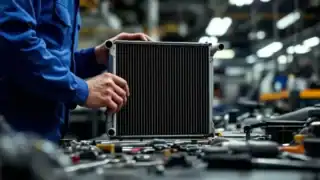
We service LDV radiators and cooling systems in Gatton, keeping your engine running cool and preventing overheating on regional roads. Book Your Free Inspection today.

One-Stop Workshop

Honest Advice

5★ Reviews

LDV Radiator Specialists

Book Your Free Inspection

Tell us what you need and we'll get back to you with a clear quote.

Booking Form
  • Vehicle Details
  • Confirm Vehicle
  • Services
  • Contact Details
Honest Quotes
All Vehicle Types
Local & Reliable

Why Book With Us

Book Your Free Inspection
Drop Off Your Vehicle
We Get to Work
Collect Your Car

Your LDV’s cooling system works hard every time the engine runs, and the radiator sits at the centre of it all. An LDV radiator service isn’t just about topping up fluid — it’s about making sure the whole system is doing its job properly so your engine stays at the right operating temperature, whether you’re running a delivery route around Gatton or loading up the ute for a longer haul through the Lockyer Valley. Catching a cooling issue early almost always means a simpler, cheaper repair. Ignoring it can mean a warped cylinder head or a seized engine.

Signs Your LDV May Need Radiator Attention

LDV vans and utes are popular with local tradies, fleet operators, and small businesses in the region, and they tend to clock up kilometres quickly. The cooling system takes the brunt of that usage, especially in stop-start driving around town or when the vehicle is loaded up regularly.

Here are some of the more common signs that something isn’t right with the radiator or cooling system:

  • Temperature gauge running higher than normal or creeping toward the red during normal driving
  • Coolant warning light appearing on the dashboard
  • Sweet-smelling fluid under the vehicle after it’s been parked – this is often a coolant leak
  • White or coloured residue around hose connections or the radiator cap area, which can indicate a slow weep
  • Heater blowing cold when it should be warm – this can point to low coolant or a blocked system
  • Steam from under the bonnet – this one needs immediate attention, not a booking for next week

Some LDV models can also develop early signs of cooling issues without obvious external leaks, which is why a pressure test and visual inspection together are more useful than just checking the overflow bottle level.

What the Service Involves

When an LDV comes in for radiator work, we start by looking at the full picture rather than just the part that’s obviously playing up. The radiator and cooling system is interconnected – a failing thermostat, a cracked hose, a weak radiator cap, or a compromised water pump can all produce similar symptoms, so a proper diagnosis matters before any parts are ordered.

Diagnostic and Service Steps

Our process typically includes a cooling system pressure test to check for leaks that aren’t visible to the naked eye, a visual inspection of the radiator core, tanks, and connections, and an assessment of the coolant condition. LDV specifies particular coolant types for their engines, and mixing the wrong coolant can cause internal corrosion over time. We check what’s in the system and whether it still meets the manufacturer’s spec.

If the radiator itself is the issue, we’ll advise on repair versus replacement based on what we find. Some leaks can be addressed without a full replacement; others are better sorted with a new unit. Where parts are needed, we source to OEM-equivalent specification for LDV vehicles, which matters for compatibility with the engine management system and long-term durability.

The service also covers the thermostat – a common failure point on higher-mileage LDV vans – along with hose condition, the radiator cap seal, and coolant concentration. We flush and refill the system with the correct coolant type and bleed any air out properly, which is a step that gets skipped in rushed jobs and causes ongoing problems.

What Affects Cost and Turnaround for Radiator Work in Gatton

The honest answer is that radiator work varies quite a bit depending on what’s actually wrong. A coolant flush and refill with a hose replacement is a straightforward job. A full radiator replacement on a loaded LDV with a diesel engine takes more time and more parts. Factors that affect the scope of the work include:

  • Whether it’s a repair, a flush and service, or a full radiator replacement
  • Parts availability for your specific LDV model and year
  • Whether related components like the thermostat, water pump, or hoses also need attention
  • The condition of the coolant and how long it’s been since the last service

We handle parts sourcing in-house, which saves you the run-around of tracking down LDV-compatible parts from multiple suppliers. We’ll tell you what’s needed before we start, so there are no surprises when the job is done.

Why Gatton Automotive Solutions for Your LDV’s Cooling System

We’re a full-service workshop in Gatton covering everything from everyday passenger cars through to 4WDs, utes, vans, trucks, and heavy equipment. LDV vans and utes are a regular part of our workload, and we carry that through to how we approach cooling system work – with the right tools, the right parts spec, and a straightforward assessment of what actually needs doing.

If you’re running LDV vehicles as part of a business or fleet, downtime is a real cost. We work efficiently and communicate clearly about what’s needed so you can plan around it. There’s no need to drive to Ipswich or Toowoomba for this kind of work – we can handle it here in town, and we’ll give you a straight answer about what’s going on with the vehicle.

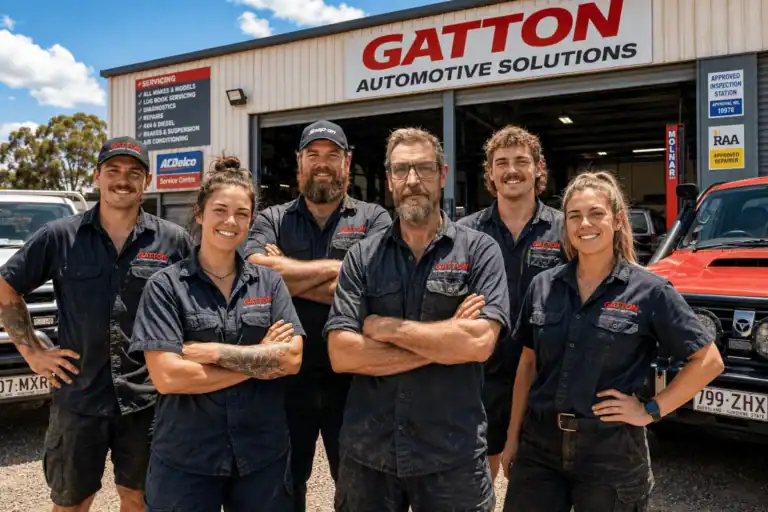
Gatton Automotive Solutions is locally owned and operated, with a strong reputation across the Lockyer Valley backed by five-star reviews. From general mechanical work for everyday drivers through to heavy vehicle servicing, smash repairs, custom paintwork, suspension upgrades, tyre supply and fitting, roadworthy certificates, and parts sourcing – it’s all handled under one roof. Honest advice, fair pricing, no unnecessary add-ons.

If your LDV is showing any cooling system symptoms or it’s been a while since the radiator was last checked, Book Your Free Inspection online or Call Us Now. We’re based in Gatton and ready to help.
Other Services

Whatever your needs we have you covered, see some similar services below or click "See All Services" to explore our full service offering.

Your Local Workshop for Every Vehicle

Gatton Automotive Solutions is the one-stop shop for cars, 4WDs, trucks, and heavy equipment. Honest advice and fair pricing, right here in Gatton.

Honest Pricing, No Surprises

We tell you what’s needed and what it costs before we start. No upselling, no pressure.

Everything Under One Roof

Bring your car in and we’ll inspect it, explain what we find, and quote you upfront.

LDV-Trained Cooling Diagnostics

We know LDV cooling systems inside out and source the right parts first time.

How LDV Radiator Service Works

From booking to collection, here's how we diagnose and repair your LDV cooling system.

Step 1

Book Your Free Inspection

Call Us Now or Book Your Free Inspection to identify cooling issues and overheating problems.

Step 2

Cooling System Diagnosis

We pressure test the radiator, check coolant levels and condition, and scan for LDV-specific cooling faults.

Step 3

Radiator Repair or Replace

We repair leaks, flush contaminated coolant, or fit a quality replacement radiator to manufacturer specification.

Step 4

Test and Handover

Final coolant fill, pressure check, and test drive confirm your cooling system runs reliably before collection.

Five-Star Rated

Verified 5★ Reviews

Quality Parts From Trusted Suppliers

We use genuine and quality aftermarket parts from reputable suppliers. You get reliable components backed by proper warranties.

Book Your Free Inspection

Tell us what you need and we'll get back to you with a clear quote.

Booking Form
  • Vehicle Details
  • Confirm Vehicle
  • Services
  • Contact Details
Honest Quotes
All Vehicle Types
Local & Reliable

Why Book With Us

Book Your Free Inspection
Drop Off Your Vehicle
We Get to Work
Collect Your Car

Frequently Asked Questions

Browse answers to common questions about our services. Can't find what you're after? Give us a call and we'll help.

An LDV radiator service typically includes a full inspection of the radiator core, hoses, clamps, and fittings, followed by a coolant flush to remove old fluid and any built-up scale or contamination. We also check the thermostat, pressure-test the cooling system to identify any leaks, and refill with the correct coolant specification for your LDV. Because LDV vans and utes run turbocharged diesel engines that generate significant heat, keeping the cooling system in good shape is especially important.

Delaying a radiator inspection when you’re seeing warning signs can lead to engine overheating, which is one of the more expensive mechanical failures you can face. A minor coolant leak or a blocked radiator left unchecked can escalate to blown head gaskets or warped cylinder heads. If your temperature gauge is climbing higher than normal, you’re seeing coolant puddles under the vehicle, or the heater is blowing cold air, get it seen to promptly. These aren’t symptoms to drive through.

LDV T60 utes and Deliver 9 vans share turbocharged diesel platforms that put real demand on the cooling system, particularly when used for towing or sustained highway runs. Common things we see include hose deterioration, coolant level drops from slow weep leaks around hose connections, and occasionally thermostat wear in higher-mileage vehicles. Keeping an eye on your coolant level between services and watching the temperature gauge during heavy loads is a good habit for any LDV owner.

The cost depends on what the inspection finds. A straightforward coolant flush and refill is a fairly quick job, often done while you wait. If we find a damaged radiator core, worn hoses, or a faulty thermostat, the price will vary based on parts and labour required. We’ll always walk you through what’s needed and why before any work starts, so there are no surprises. Book your free inspection and we can give you a clearer picture for your specific LDV model.

Under ACCC guidance, Australian consumer law generally allows vehicle owners to have their cars and vans serviced by a qualified independent mechanic without voiding the manufacturer warranty, provided the work meets the manufacturer’s specifications. This is general information rather than legal advice, so it’s worth checking your specific warranty conditions if you’re unsure. At Gatton Automotive Solutions, we use parts and fluids that meet the required specifications for your LDV and keep clear service records.

Coolant doesn’t last indefinitely. Over time it loses its ability to prevent corrosion and regulate temperature effectively. For most LDV diesel models, a coolant flush every two years or as specified in the owner’s manual is a reasonable guide, though vehicles doing heavy towing or working in dusty conditions around Gatton and the Lockyer Valley may benefit from checks more frequently. Your logbook will show the manufacturer’s recommended interval, and we can advise based on the age and condition of your current coolant.

The most common signs are a rising temperature gauge, visible coolant pooling under the vehicle after it’s been parked, a sweet smell coming from the engine bay, or the low coolant warning light coming on. Steam from under the bonnet is a serious sign that the engine is already overheating and you should pull over safely. Catching these early through regular checks is far less costly than dealing with the damage that prolonged overheating can cause.

We source parts that meet or exceed OEM specifications for LDV vehicles. Depending on the repair, this may include OEM-equivalent radiators, quality aftermarket hoses, or manufacturer-approved coolants matched to your LDV’s engine requirements. We’ll be upfront about what parts we’re using and why before any work starts, so you can make an informed decision. Our goal is a repair that lasts, not just one that gets you out the door.

Yes, topping up coolant between services is something most owners can do safely, but it’s important to use the correct coolant type for your LDV. Mixing incompatible coolants can cause corrosion and reduce the cooling system’s effectiveness. Always check the level when the engine is cold and never open the radiator cap on a hot engine. If you’re regularly needing to top up, that’s a sign of a leak somewhere in the system and worth having inspected rather than just kept topped up.

When you bring your vehicle in, we’ll start with a visual inspection of the radiator, hoses, clamps, and overflow bottle before moving on to a pressure test to check for leaks. From there we drain and flush the old coolant, inspect components for wear, and refill with the appropriate coolant. You’ll get a rundown of anything we found and what, if anything, needs attention. For a standard flush and refill with no additional repairs, most customers are back on the road the same day.

It’s not recommended. A temperature gauge reading higher than usual is a sign the cooling system is already under stress. Continuing to drive can push the engine into full overheating territory quickly, particularly in stop-start traffic or warm weather. Pull over when it’s safe, let the engine cool, and check the coolant level only once the engine is cold. If the level is low or the gauge keeps rising, Call Us Now rather than risking further engine damage.

A radiator that’s leaking from the core, has significant physical damage, or is badly corroded internally may be beyond what a flush or repair can fix. During a pressure test, we can identify whether leaks are coming from hose connections or fittings that can be resealed, or from the radiator body itself. If the core is compromised, replacement is usually the more cost-effective path compared to repeated repairs. We’ll give you an honest assessment before recommending replacement.

Continue to site