An LDV cooling system flush is one of those services that rarely gets talked about until something goes wrong. Coolant, also known as antifreeze, doesn’t last forever. Over time it breaks down, becomes acidic, and loses its ability to regulate engine temperature effectively. For LDV owners in Gatton and across the Lockyer Valley, where utes and vans often carry heavy loads in warm Queensland conditions, a degraded cooling system can mean the difference between a reliable workhorse and a vehicle pulled over on the side of the road with steam coming from the bonnet.
Why Coolant Degrades and When You Need a Flush
LDV vehicles, including the T60 ute and V80 van range, use specific coolant formulations designed to work with their engine materials. The issue is that coolant doesn’t stay effective indefinitely. As it ages, the protective additives deplete and the fluid can become corrosive, attacking aluminium components, hoses, and the water pump from the inside. A flush removes this degraded fluid entirely rather than just topping it up, which can actually dilute the protective properties of fresh coolant even further.
There are several signs that your LDV’s cooling system needs attention before you reach the point of a breakdown:
- The temperature gauge is climbing higher than usual, particularly in slow traffic or while towing
- You’re seeing coolant warning lights on the dash or a low coolant indicator
- The heater inside the cabin is blowing less warm air than it used to
- You notice a sweet smell inside or outside the vehicle, which can indicate a coolant leak
- The coolant in the reservoir looks rusty, brown, or has visible particles floating in it
- Steam or white smoke from the bonnet after the engine has warmed up
If your LDV is approaching a manufacturer-recommended service interval for coolant replacement, that’s also a strong reason to book in. Don’t wait for symptoms if the service is overdue.
What Happens During an LDV Coolant Flush at Our Gatton Workshop
We start by checking the current state of your coolant using a test strip and a hydrometer, which measures the concentration and pH of the fluid. Degraded or contaminated coolant will show acidic readings, and that tells us exactly what we’re dealing with before we start draining anything.
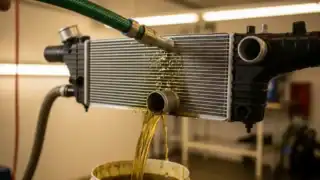
Once we’ve assessed the system, we drain the old coolant completely and flush the system through with clean water to remove scale, rust particles, and deposits that have built up in the radiator and passages. This flushing process is particularly important on the LDV T60’s diesel engine, where internal passages can accumulate deposits if coolant maintenance has been deferred.
We then refill the system with a coolant specification that meets LDV’s requirements for your specific model. LDV vehicles typically call for an OAT (Organic Acid Technology) or HOAT-type coolant, and using the wrong type can cause corrosion of internal components. We use coolant that meets the manufacturer’s specification so your cooling system operates the way it was designed to.
After refilling, we bleed any air from the system, check hoses and clamps for signs of cracking or deterioration, inspect the radiator cap for correct pressure rating, and run the engine up to operating temperature to confirm the thermostat is opening correctly and there are no leaks. If we spot anything else that needs attention, we’ll tell you plainly before proceeding with any additional work.
What Affects the Cost and Time Involved
The time and cost for a cooling system flush on an LDV will depend on a few practical factors. The size of the cooling system matters, and the V80 van’s larger engine holds more coolant than the T60 ute, so more fluid and more time is involved. If the system is heavily contaminated, a second flush pass may be needed to clear it properly.
Coolant specification also plays a role. OEM-equivalent coolants that match LDV’s requirements cost more than generic universal products, but using the correct fluid protects your investment and avoids compatibility issues. We’ll discuss your options honestly, including whether there’s any practical case for a different product, and let you make the call.
If the flush reveals a more significant issue, such as a failing water pump, a damaged hose, or a leaking radiator, we’ll provide a clear assessment of what’s needed before any extra work is carried out. No surprises, no unnecessary repairs added without your say-so.
A Local Workshop That Handles More Than Just Cars
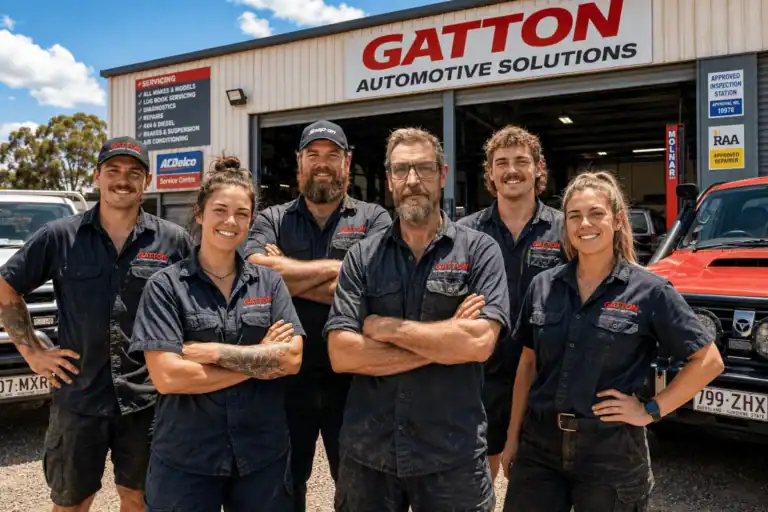
Gatton Automotive Solutions is a full-service workshop servicing cars, 4WDs, utes, vans, trucks, and heavy equipment all under one roof. LDV utes and vans are common working vehicles in the Lockyer Valley, and we see them regularly. Whether you’re running a T60 as a daily driver or a fleet of V80s for a local business, we understand how these vehicles are used and what they need to stay reliable.
We handle parts sourcing directly, so you’re not chasing down suppliers for an obscure coolant spec or waiting on parts to arrive from the city. Being locally owned and operated in Gatton means there’s no need to drive to Ipswich or Toowoomba for quality mechanical work. Our five-star rated workshop reflects a service that does the job properly and communicates honestly throughout.
If your LDV is due for a coolant flush or you’ve noticed any of the warning signs above, Call Us Now or use the online booking form to Book Your Free Inspection. We’re here to keep your vehicle working reliably in the Gatton area.