A Mitsubishi radiator repair isn’t something most drivers think about until the temperature gauge climbs into the red. But your radiator is central to keeping your engine at a safe operating temperature, and when it starts leaking, cracking, or blocking up, the damage can spread fast. Drivers across Gatton and the Lockyer Valley bring their Mitsubishi vehicles to us precisely because cooling problems rarely stay small for long. Catching a coolant leak or a failing radiator early is the difference between a straightforward repair and a much more expensive conversation about engine damage.
Warning Signs Your Mitsubishi Radiator Needs Attention
Mitsubishi models are generally reliable, but cooling system problems do show up across the range. A few things tell us a radiator issue is developing before it becomes a breakdown.
- Coolant pooling under the car after it’s been parked, often with a sweet smell and a greenish or orange tint depending on the coolant type.
- The temperature gauge rising higher than normal, particularly on longer drives, in stop-and-go traffic, or when towing.
- Low coolant warnings that keep appearing even after you’ve topped up the reservoir.
- Steam or vapour from under the bonnet, which usually means coolant is reaching hot engine surfaces it shouldn’t.
- Rust-coloured or murky coolant in the overflow bottle, pointing to internal corrosion or contamination inside the radiator.
- Heater performance dropping off inside the cabin, which can indicate coolant flow is restricted.
Mitsubishi Triton utes and Pajero SUVs are common in this part of Queensland, and both see heavy use on rural roads, farms, and worksites. That kind of driving adds heat load and stress to the cooling system that highway driving doesn’t. If your Triton or Pajero has been working hard, it’s worth having the cooling system checked even without obvious symptoms.
How We Diagnose and Repair Mitsubishi Radiator Problems
We don’t start by replacing parts. We start by finding out exactly what’s wrong. A coolant leak can come from the radiator itself, a hose, the water pump, a hose clamp, or the radiator cap, and those repairs each require a different approach. Getting the diagnosis right the first time saves you money and keeps your Mitsubishi off the side of the road.
Our Inspection and Repair Process
We begin with a visual inspection of the radiator, hoses, connections, and overflow bottle. We then carry out a pressure test on the cooling system, which forces air through the system at controlled pressure to identify any leaks that aren’t immediately visible. This is particularly useful for finding cracks in the radiator core or weeping seams that only show up under load.
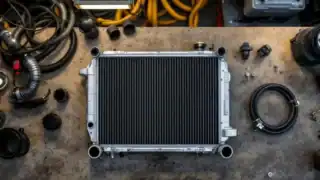
If the radiator itself is leaking, we assess whether a repair is appropriate or whether replacement is the better option. Minor tank or seam repairs can be effective on newer or low-kilometre radiators. Older units with significant corrosion or a damaged core are generally better replaced. We’ll tell you which situation you’re in and give you the options before any work starts.
For Mitsubishi vehicles, we source parts that meet OEM specifications. Mitsubishi’s cooling systems are designed to operate within specific temperature and pressure tolerances, and using a substandard replacement radiator can lead to early failure or ongoing overheating issues. Whether we’re fitting a genuine-equivalent or quality aftermarket radiator, it’ll be matched to your specific model and engine variant.
We also flush and refill the coolant as part of any radiator repair, using a coolant type compatible with Mitsubishi’s specifications. Some Mitsubishi models are factory-filled with long-life coolant that shouldn’t be mixed with standard green coolant, and using the wrong type can cause corrosion in the system over time. We pay attention to these details because they affect how long the repair lasts.
What Affects the Cost and Time Involved
A straightforward hose replacement or radiator cap swap is a quick job. A full radiator replacement on a Triton, Pajero, or ASX takes longer because of the surrounding components that need to be moved to access the radiator properly. On 4WD models with an intercooler mounted in front of the radiator, the job involves more disassembly, which affects labour time.
Parts pricing varies based on the specific model, engine type, and whether OEM or quality aftermarket parts are used. We’ll walk you through the options honestly so you can make the right call for your vehicle and your budget. There’s no upselling here, and we won’t recommend a repair that isn’t needed.
Mitsubishi Radiator Repair in Gatton, Without the Drive to the City
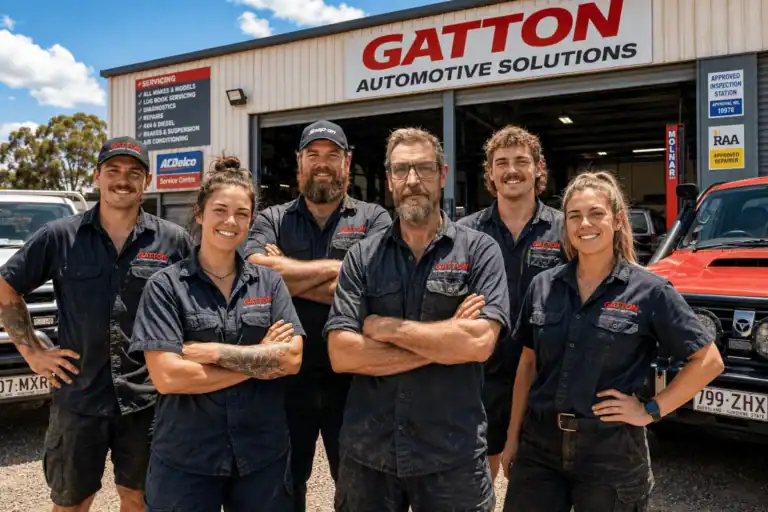
Getting cooling system work done on your Mitsubishi used to mean a trip to a dealership service centre in Ipswich or Toowoomba. That’s a 45 to 80 kilometre round trip before you’ve even had the car looked at. Gatton Automotive Solutions handles the full scope of Mitsubishi mechanical repairs locally, from routine coolant flushes through to complete radiator replacements and cooling system diagnostics. We work on cars, 4WDs, utes, and heavy equipment, all under one roof.
We’re locally owned, and the community here has given us five-star reviews because we do what we say we’re going to do. If your Mitsubishi needs a radiator service or you’re not sure what’s causing the overheating, we’ll give you a straight answer and a fair price before anything is touched.
Book your free inspection online using Book Your Free Inspection, or Call Us Now to talk through what your Mitsubishi is doing. Our team in Gatton is ready to help you get back on the road with confidence.