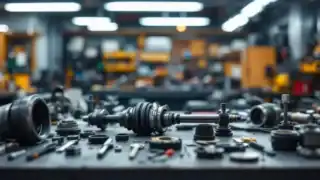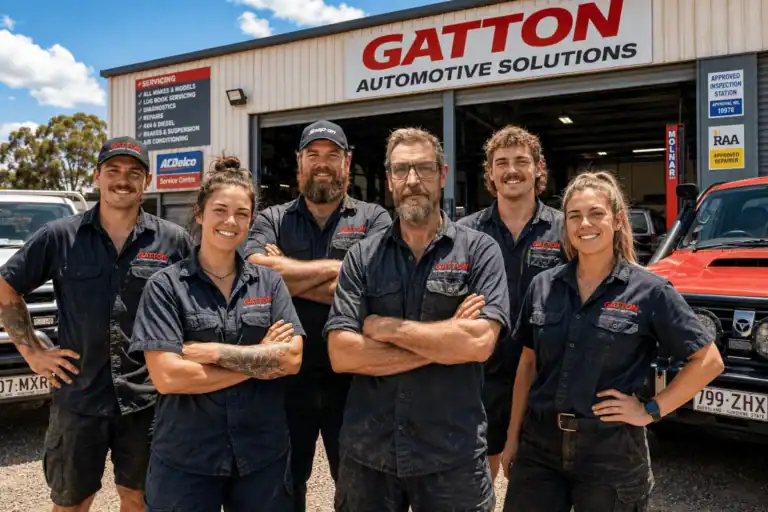
A tailshaft carries engine power through to your rear wheels, spinning hundreds of times every minute while absorbing the vibration and movement of your suspension. When a Chinese vehicle’s tailshaft develops wear or damage, you’ll notice it straight away — a clunking sound when you accelerate, a vibration that travels through the whole vehicle, or a grinding noise from underneath. Chinese vehicles tailshaft repair in Gatton is one of those services that can’t wait. A failing tailshaft won’t just affect your comfort on the drive — it can leave you stranded if the damage is severe enough. We diagnose and repair Chinese vehicles tailshaft problems regularly at our Gatton workshop, and we understand the specific design characteristics of Chinese-brand vehicles that make some prone to particular wear patterns.
Signs Your Chinese Vehicle’s Tailshaft Needs Attention
The symptoms of a worn or damaged tailshaft are hard to miss. A clunking or knocking sound that gets louder when you accelerate is usually the first sign — this typically means the universal joints (the moving connections at each end of the shaft) are failing. You might also feel a vibration that runs through the chassis, especially noticeable at higher speeds or when you’re carrying a load or towing. Some drivers report a grinding or squealing noise, which often indicates bearing wear inside the tailshaft itself.
If your Chinese vehicle has recently had a heavy impact to the underside — hitting a pothole, scraping a rock, or a minor collision — have the tailshaft inspected even if there are no obvious symptoms yet. Damage can be internal and progressive. Similarly, if you’ve noticed your vehicle sitting lower on one side than the other, or if your suspension has been adjusted, the tailshaft alignment may have changed, which puts extra stress on the bearings and joints.
What We Check and Repair
Our diagnosis starts with a full visual inspection underneath the vehicle. We look at the condition of the universal joints at each end, checking for torn rubber boots, corrosion, or visible play in the joint itself. We spin the shaft by hand and listen for roughness or grinding in the bearings, and we check the centre support bearing (if your vehicle has one) for wear. For Chinese vehicles in particular, we’re familiar with the suspension geometry and mounting points on common models — brands like JAC, Great Wall, and Chery have their own design preferences that affect how the tailshaft sits and moves.
Once we’ve identified the problem, we talk you through your options. A worn universal joint might be repairable on some shafts, but often the most reliable solution is to replace the entire tailshaft assembly with a quality replacement part that matches your vehicle’s specifications. We source parts that are compatible with your specific Chinese vehicle model and ensure the replacement shaft is balanced correctly before installation. For vehicles still under warranty or logbook servicing, we can source OEM-equivalent parts that maintain your service history.
We also check the yoke (the part where the shaft connects to your gearbox) and the flange that bolts to your differential. If these have been damaged or are showing signs of wear, we’ll let you know upfront so you understand the full scope of the work.
What Affects the Cost and Time
The total cost and time depend on a few factors. The main one is whether you need a repair or a full replacement. A tailshaft that’s damaged but not severely bent might be rebuildable, which costs less and takes a day or two. A replacement tailshaft takes longer to source if we don’t have the exact part on the shelf, and availability varies depending on the Chinese vehicle model and year you’re driving. Parts for popular models like Great Wall and JAC are usually available quickly; less common models might take a few days.
The vehicle type also matters. A light car tailshaft is simpler to remove and install than a 4WD or utility vehicle with heavy-duty suspension. If your tailshaft has been damaged for a while and the damage has spread to surrounding components like the gearbox yoke or differential flange, the repair bill will be higher. We’ll always inspect these connections and give you a clear picture of what needs to be done.
Why We’re Your Local Tailshaft Specialists for Chinese Vehicles
As a full-service workshop in Gatton, we work on Chinese vehicles regularly alongside cars, 4WDs, trucks, and heavy equipment. We understand the design differences between Chinese brands and Australian-market vehicles, and we don’t guess our way through unfamiliar models. Our honest advice means we’ll tell you if a repair is still reliable or if replacement is the safer option — no unnecessary work, no upselling parts you don’t need.
Parts sourcing is handled in-house, so we’re not waiting on courier deliveries or paying inflated prices. If you need your Chinese vehicle’s tailshaft repaired, you won’t have to drive 45 or 80 kilometres to Ipswich or Toowoomba — we handle it locally and can often complete the work while you wait or within a day of sourcing the part. We also issue roadworthy certificates on-site if your vehicle needs one after repair.
Next Steps
If you’ve noticed clunking, vibration, or grinding from underneath your Chinese vehicle, book your free inspection with us. We’ll get under the car, diagnose the exact problem, and walk you through your options before we start any work. Call us now or book your free inspection online — we’re here to keep your vehicle reliable and safe on Gatton roads.