Limited Time: Free Windscreen Wipers With Any Service. Subject To Availability.

Locally Owned & Operated
Honest Upfront Pricing
5★ Reviews
All Makes & Models

Verified 5★ Reviews

Professional Mitsubishi Tailshaft Repair In Gatton

Tailshaft problems affect how power reaches your wheels. We diagnose and repair Mitsubishi tailshafts in Gatton to restore smooth, safe driving. Call Us Now to get back on the road.

One-Stop Workshop

Honest Advice

5★ Reviews

Mitsubishi Tailshaft Experts

Book Your Free Inspection

Tell us what you need and we'll get back to you with a clear quote.

Booking Form
  • Vehicle Details
  • Confirm Vehicle
  • Services
  • Contact Details
Honest Quotes
All Vehicle Types
Local & Reliable

Why Book With Us

Book Your Free Inspection
Drop Off Your Vehicle
We Get to Work
Collect Your Car

A tailshaft carries rotational force from your gearbox to the rear differential, and when it starts to fail, you’ll usually feel it before you see it. Mitsubishi tailshaft repair is a job that catches a lot of Lockyer Valley drivers off guard because the symptoms can creep in gradually. Whether you’re running a Triton ute on a rural property, a Pajero for family trips, or an older Express van for work, the tailshaft on a rear-wheel-drive or four-wheel-drive Mitsubishi is a component that takes real punishment. At our workshop in Gatton, we see tailshaft issues across the full range of Mitsubishi vehicles, and getting it sorted early saves you from a much bigger problem down the road.

What Does a Failing Tailshaft Feel Like?

The most common early sign is a vibration felt through the floor or the seat, usually at highway speeds or when the vehicle is under load. It’s not the same as a wheel balance issue. Tailshaft vibration tends to get worse as revs rise and can ease off when you lift the throttle.

Beyond vibration, pay attention to:

  • Clunking or thudding when you pull away from a standstill or change direction, often caused by a worn universal joint (U-joint) that’s lost its grease and started to seize
  • A ticking or squeaking sound that changes with vehicle speed, sometimes pointing to a dry or corroded centre bearing
  • Shuddering through the driveline when accelerating in four-wheel drive, which can indicate a slip yoke or coupling problem
  • Visible rust, dents, or grease spray under the vehicle near the tailshaft, especially after off-road use or a creek crossing

Mitsubishi Tritons and Pajeros used as farm or station vehicles around the Lockyer Valley are particularly susceptible because they regularly deal with creek beds, dirt roads, and heavy towing. These conditions accelerate wear on U-joints and centre support bearings faster than standard highway driving.

How We Diagnose and Repair Mitsubishi Tailshaft Problems

We start with a physical inspection of the tailshaft while the vehicle is safely raised. This includes checking each U-joint for play, inspecting the centre bearing bracket for cracking or rubber deterioration, and looking at the slip yoke splines for wear. On Mitsubishi four-wheel-drive platforms, we also check the front propeller shaft, which is a separate assembly and a common point of failure on older Pajero and Triton models.

The Triton, particularly the MQ and MR series, has a known tendency for centre bearing wear when used for frequent towing. The factory rubber mount can deteriorate under sustained load, and once it softens or cracks, the tailshaft loses proper alignment and starts to vibrate even at moderate speeds. We factor this in during inspection rather than treating every vibration complaint the same way.

Repair or Replace?

Not every tailshaft failure means a full replacement. In many cases, individual U-joints can be pressed out and new ones fitted, or the centre bearing replaced without removing the whole shaft. Where the shaft itself is bent, out of balance, or has sustained corrosion damage, we’ll discuss replacement options with you. We source quality parts suited to Mitsubishi specifications, and for working vehicles where downtime matters, we can advise on the right balance between parts quality and lead time.

What Affects the Cost and Time of Tailshaft Work in Gatton?

A few things influence how involved the job becomes. A single U-joint replacement on a common Triton or Pajero is a more straightforward repair than, say, a two-piece tailshaft assembly on an older Express van where parts availability can be limited. The extent of corrosion also matters. Vehicles that have spent years off-road or been exposed to creek water may have fasteners that are seized solid, which adds time to even a basic U-joint job.

OEM-spec and quality aftermarket parts are both available depending on the application. For daily-use vehicles and working utes, we’ll talk through the options honestly so you can make an informed call. We don’t push parts you don’t need.

Why Choose Gatton Automotive Solutions for Mitsubishi Tailshaft Repairs?

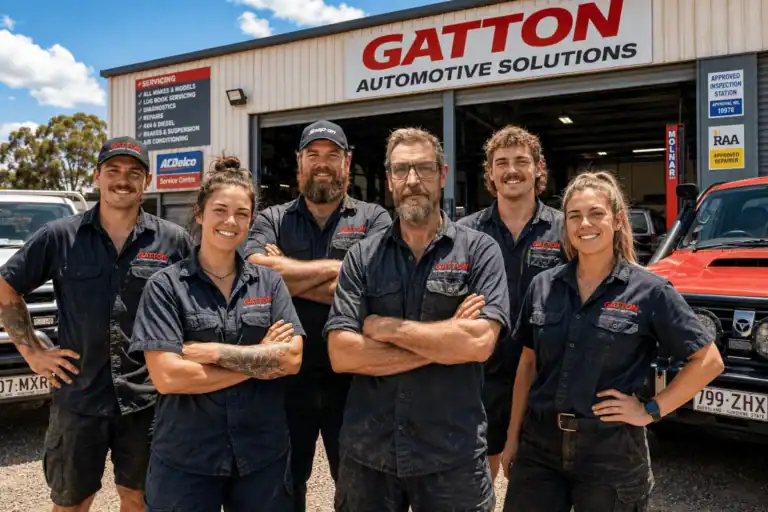
Gatton Automotive Solutions is a full-service workshop that handles everything from everyday Mitsubishi servicing right through to heavy vehicle and equipment work. That breadth matters because a Triton or Pajero used for farm work often comes in with multiple things going on at once. We can handle the tailshaft, check the suspension, sort the tyres, and deal with any other mechanical issues in one visit rather than sending you to three different places.

Drivers across the Lockyer Valley, Laidley, Plainland, Forest Hill, and the surrounding areas don’t need to make the trip to Ipswich or Toowoomba for quality repair work. We stock and source parts directly, which keeps things moving without unnecessary delays. Our pricing is straightforward, and we’ll tell you what’s needed and what can wait before any work starts.

Beyond mechanical repairs, Gatton Automotive Solutions also issues roadworthy certificates on-site, carries out smash repairs and custom paintwork, fits suspension upgrades, and handles tyre supply and fitting. For agricultural equipment and farm vehicles, we service those too. It’s a genuinely one-stop workshop, which matters when your working ute or farm vehicle needs to be back in action quickly.

With five-star reviews from local drivers and businesses, the reputation we’ve built is based on doing honest work at fair prices, not on upselling or finding problems that aren’t there.

If your Mitsubishi has developed a vibration, a clunk, or a noise you can’t quite place, Book Your Free Inspection online or Call Us Now and our team will take a proper look and give you a straight answer on what’s going on and what it’ll take to fix it.
Your Local Workshop for Every Vehicle

Gatton Automotive Solutions is the one-stop shop for cars, 4WDs, trucks, and heavy equipment. Honest advice and fair pricing, right here in Gatton.

Honest Pricing, No Surprises

We tell you what’s needed and what it costs before we start. No upselling, no pressure.

Everything Under One Roof

Bring your car in and we’ll inspect it, explain what we find, and quote you upfront.

Mitsubishi-Specific Diagnostics

Tailshaft faults diagnosed using Mitsubishi-specific knowledge and tooling.

How Mitsubishi Tailshaft Repair Works

From diagnosis to delivery, here's how we get your Mitsubishi tailshaft sorted and back on the road.

Step 1

Book Your Free Inspection

Call Us Now or Book Your Free Inspection to have your tailshaft assessed for damage or wear.

Step 2

Tailshaft Diagnostic Check

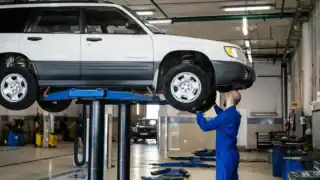
We lift your Mitsubishi and inspect the shaft, bearings, and universal joints for play or imbalance.

Step 3

Tailshaft Repair or Replace

We repair worn joints, straighten bent shafts, or fit a Mitsubishi-spec tailshaft as required.

Step 4

Test Drive and Handover

We test drive your Mitsubishi to confirm smooth operation, then hand it back ready for the road.

Five-Star Rated

Verified 5★ Reviews

Quality Parts From Trusted Suppliers

We use genuine and quality aftermarket parts from reputable suppliers. You get reliable components backed by proper warranties.

Book Your Free Inspection

Tell us what you need and we'll get back to you with a clear quote.

Booking Form
  • Vehicle Details
  • Confirm Vehicle
  • Services
  • Contact Details
Honest Quotes
All Vehicle Types
Local & Reliable

Why Book With Us

Book Your Free Inspection
Drop Off Your Vehicle
We Get to Work
Collect Your Car

Frequently Asked Questions

Browse answers to common questions about our services. Can't find what you're after? Give us a call and we'll help.

We start by inspecting the full tailshaft assembly, including the universal joints, centre bearing, and the shaft itself for wear, damage, or imbalance. On Mitsubishi models, we check for play in the uni joints and listen for vibrations under load. Depending on what we find, we may replace worn uni joints, fit a new centre bearing, or have the shaft rebalanced. We’ll walk you through exactly what’s needed before any work begins, so there are no surprises.

A vibration through the cabin, especially at highway speeds, is one of the most common signs. You might also hear a clunking noise when shifting between drive and reverse, or feel a shudder during acceleration. On Mitsubishi utes and 4WDs like the Triton and Pajero, worn centre bearings tend to show up as a low rumble underneath the vehicle. If any of these symptoms are present, it’s worth having the tailshaft inspected sooner rather than later to avoid more costly damage to surrounding drivetrain components.

No. A failing tailshaft can cause serious safety issues. If a universal joint seizes or the shaft separates while you’re driving, it can dig into the road or damage the transmission, differential, and even the vehicle floor. Vibrations from a worn tailshaft also accelerate wear on other drivetrain parts. If you’ve noticed clunking, vibrations, or unusual noises from underneath, bring it in promptly. We’d rather catch a worn uni joint early than deal with a shaft that’s let go at speed.

Many tailshaft repairs are finished within a few hours, particularly if it’s a uni joint or centre bearing replacement. If the shaft needs to be removed for rebalancing or if we discover additional damage to flanges or splines, it can take a bit longer. We’ll give you a realistic timeframe once we’ve had a look. For straightforward jobs, you’re welcome to wait at our Gatton workshop while we get it sorted.

The main factors are what’s actually worn or damaged and the type of vehicle. Replacing a single uni joint costs less than fitting a new centre bearing and having the shaft balanced. Mitsubishi 4WDs with two-piece tailshafts, like the Pajero Sport, have more components that can wear. Parts availability matters too. We source quality replacement parts and give you a clear breakdown of costs before starting, so you know exactly where your money’s going.

They can, particularly the MQ and MR models used for towing or regular off-road work. The centre bearing tends to wear faster under heavy loads, and the uni joints cop extra stress from dirt, mud, and corrugated roads. Tritons used on farms or unsealed roads around the Lockyer Valley are especially prone to this. Regular greasing of the uni joints, where the design allows it, helps extend their life. We see these issues regularly and carry the parts to sort them out without delay.

Generally, no. Under ACCC guidance, Australian consumer law supports your right to have your vehicle serviced and repaired by a qualified independent workshop without voiding the manufacturer’s warranty, as long as the work is performed to the required standard and genuine or equivalent-quality parts are used. We keep records of all parts fitted and work completed. That said, we’d always recommend checking the specific terms of your warranty for your own peace of mind. This is general information, not legal advice.

There’s no fixed replacement interval for most tailshaft components, but we recommend having the uni joints and centre bearing inspected whenever your vehicle is on the hoist for a service. If you’re towing regularly, driving on rough unsealed roads, or using your vehicle for farm work, more frequent checks are a good idea. Catching a worn uni joint early is quick and affordable. Letting it go can lead to a damaged shaft or differential, which is a much bigger job.

Continue to site