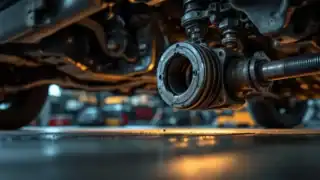
The tailshaft is the rotating shaft that transfers power from your gearbox to the rear differential on rear-wheel drive and four-wheel drive vehicles. On European vehicles, this component is precision-engineered to tight tolerances, which means wear, vibration, or damage shows up earlier and more noticeably than on many other platforms. European vehicles tailshaft repair is something we see regularly at Gatton Automotive Solutions, and getting it right matters, because a failing tailshaft doesn’t just make your drive uncomfortable, it can become a genuine safety issue if the shaft separates at speed.
What Does a Failing Tailshaft Feel Like?
The symptoms of a worn or damaged tailshaft are hard to ignore once they start. Most drivers notice something is off before they know what to call it. Here’s what to watch for:
- Vibration through the floor or seat that worsens at certain speeds, particularly between 80 and 110 km/h on open roads
- A clunking or knocking sound when you accelerate from a stop or lift off the throttle, often caused by worn universal joints (UJs) or centre bearing
- Shuddering on take-off, which on European rear-wheel drive vehicles is sometimes misdiagnosed as a transmission or engine mount issue
- A squealing or grinding noise coming from underneath the vehicle, particularly noticeable at low speed
- Visible grease spray around the underside of the vehicle, which indicates a failed UJ grease seal
If you’re driving between Gatton and Ipswich or Toowoomba regularly, highway speeds put real load on tailshaft components. That kind of sustained driving is exactly where a marginal UJ or worn centre bearing will make itself known.
How We Diagnose and Repair European Tailshaft Problems
European vehicles, particularly German makes like BMW, Mercedes-Benz, Volkswagen, and Audi, often use multi-piece tailshafts with centre support bearings and double-cardan or constant-velocity (CV) style joints rather than the simpler single-piece shafts found on many Japanese and American platforms. This design gives smoother power delivery but means there are more wear points to inspect.
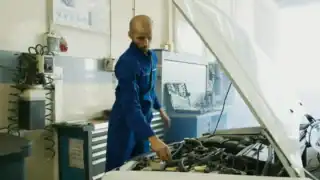
Our process starts with a road test to confirm the symptom and narrow down whether vibration or noise is coming from the tailshaft, driveshaft CV joints, wheel bearings, or another driveline component. We then put the vehicle on the hoist for a thorough underside inspection. We check each universal joint for play and roughness, examine the centre bearing rubber mount for cracking or collapse, inspect the tailshaft flanges and splines for wear, and look for any signs of imbalance or physical damage to the shaft itself.
On some European models, particularly certain BMW and Mercedes platforms, the tailshaft flex disc, often called a guibo or giubo, is a common failure point. This rubber coupling sits between the gearbox and the tailshaft and absorbs drivetrain shock. When it cracks or tears, you get the same clunking symptom as a worn UJ. We check this specifically on applicable models because it’s easy to overlook if you’re not familiar with the platform.
Once we’ve identified what needs attention, we’ll walk you through exactly what we found and what we recommend. No work starts without your approval.
What Affects the Cost and Time Involved?
Tailshaft repair costs vary depending on a few honest factors. A single worn universal joint on a straightforward shaft is a much simpler job than replacing a multi-piece assembly with a new centre bearing, flex disc, and CV joints. Parts availability is also a real consideration with European vehicles, since some components need to be sourced through specialist suppliers rather than pulled off a shelf.
We source OEM-specification or quality equivalent parts suited to your vehicle’s make and model, and we’ll always discuss the options with you before ordering. Genuine European OEM parts carry a higher price but come with the tolerances and specifications the engineers designed the vehicle around. In many cases, a quality aftermarket equivalent is a sound and cost-effective choice. We’ll tell you the difference and let you decide.
Timeframes depend on parts availability and the scope of the repair. Some jobs can be completed while you wait; others require parts to arrive before the work can proceed. We’ll give you a clear picture of the timeline once we’ve assessed the vehicle.
Why Bring Your European Vehicle to Gatton Automotive Solutions?
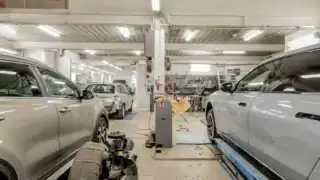
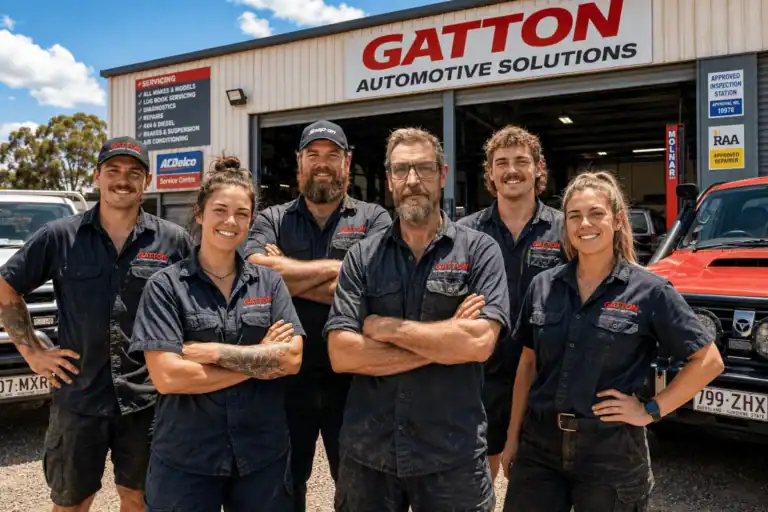
We’re a full-service workshop based in Gatton, handling everything from everyday passenger cars through to 4WDs, utes, trucks, and heavy equipment. European vehicles are a regular part of the mix, and our team is familiar with the specific driveline designs and common failure patterns across German and other European platforms.
Our approach is straightforward: we tell you what’s wrong, what it’ll take to fix it, and we only do what’s needed. No upselling, no unnecessary work. That’s been the basis of how this workshop has operated since we opened, and it’s reflected in our five-star reviews from drivers across Gatton and the Lockyer Valley.
There’s no need to book your European vehicle into a dealership service centre in Ipswich or Toowoomba when the same quality of work is available locally. We also issue roadworthy certificates on-site, so if your tailshaft repair is connected to a rego or pre-purchase inspection, we can handle the whole thing in one visit.
If your vehicle is shuddering, knocking, or vibrating on the highway, don’t leave it. Book Your Free Inspection online or Call Us Now, and we’ll get your European vehicle assessed by the team here in Gatton.