The tailshaft is the rotating shaft that transfers power from the gearbox to the rear differential on rear-wheel drive and four-wheel drive vehicles. When it develops a fault, you’ll know about it quickly. Japanese vehicles — from Toyota LandCruisers and HiLux utes to Nissan Patrols, Mazda BT-50s, and Mitsubishi Pajeros — all rely on a healthy tailshaft to put power to the ground reliably. If you’re noticing vibration, clunking, or unusual noise on the road through Gatton or out on the Lockyer Valley runs, a Japanese vehicles tailshaft repair inspection is a smart first move before the problem gets worse.
What Does a Damaged Tailshaft Actually Feel Like?
Tailshaft problems often start subtle and get worse over time. Many drivers assume the vibration is a wheel balance issue or that the clunk is just road noise. It’s worth knowing the specific signs that point toward the tailshaft rather than something else.
- Vibration under load: A shudder or shake that gets worse when you accelerate, especially from a standing start or when pulling a trailer or load in the tray.
- Clunking when changing gears: A noticeable knock as you shift from drive to reverse, or when you take up drive from a standstill. This often points to worn universal joints (known as UJs or U-joints) at either end of the shaft.
- Rhythmic vibration at highway speed: If the vibration pulses in time with your road speed and gets more intense as you speed up, a bent or out-of-balance tailshaft is worth checking.
- Squeaking from underneath: Dry universal joints will sometimes squeak or chirp before they seize. This sound tends to come from under the centre of the vehicle.
- Shudder on take-off: Particularly common in HiLux and LandCruiser owners, a tailshaft centre bearing that’s worn or collapsed can cause a noticeable shudder when pulling away from the lights.
Left unaddressed, a failing tailshaft doesn’t just get noisier. A universal joint that lets go at speed can cause serious damage to brake lines, fuel lines, and the floor of the vehicle. It’s a safety issue, not just a comfort one.
How We Diagnose and Repair Tailshafts on Japanese Vehicles
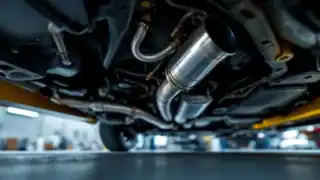
Japanese four-wheel drives and utes often run a two-piece tailshaft with a centre bearing and two or more universal joints, while smaller sedans and wagons typically use a single-piece arrangement. The diagnostic approach differs accordingly.
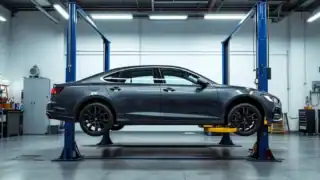
We start by getting the vehicle on the hoist and physically checking the tailshaft for obvious damage, wear, and play. Universal joints are checked for binding, roughness, and excessive movement. The centre bearing, if fitted, is pressed and checked for collapse or deterioration. We look at the flanges and mounts for cracks or corrosion, particularly important on vehicles that spend time on unsealed roads around the Lockyer Valley.
On Toyota and Mitsubishi 4WDs, we’re well-acquainted with the propeller shaft shudder that can develop on higher-kilometre HiLux and Pajero models, where worn rear UJs are a known contributor. On Nissan Patrol GUs, the centre bearing mount is a common wear point. When sourcing replacement parts for Japanese vehicles, we prioritise quality-equivalent parts that meet OEM specifications. For owners who prefer genuine Toyota, Mitsubishi, or Nissan parts, we can discuss that during the inspection and factor it into the plan before any work begins.
Where the shaft itself is bent or damaged beyond repair, full replacement is the right answer. Where only the universal joints or centre bearing have failed, those components can often be replaced and the shaft balanced, which is a more cost-effective outcome in most cases.
What Influences the Cost and Time Involved?
Several factors affect what a tailshaft repair involves and how long it takes. The main ones are the severity of wear, the type of vehicle, and which components actually need attention.
- A single worn universal joint on a straightforward rear-wheel drive sedan is a much simpler job than a two-piece tailshaft on a heavy-duty 4WD with a failed centre bearing and corroded flange hardware.
- Parts availability for popular Japanese models is generally good. Genuine OEM parts are available for most Toyota, Nissan, Mitsubishi, and Mazda vehicles but will typically cost more than quality aftermarket equivalents.
- Vehicles used for towing, farm work, or regular travel on dirt roads tend to wear tailshaft components faster and may need additional checks of surrounding drivetrain components at the same time.
We’ll give you a clear picture of what’s needed after the initial inspection, so you’re not committing to repair costs before you understand what’s involved.
Tailshaft Repairs in Gatton, Without the Drive to Ipswich or Toowoomba
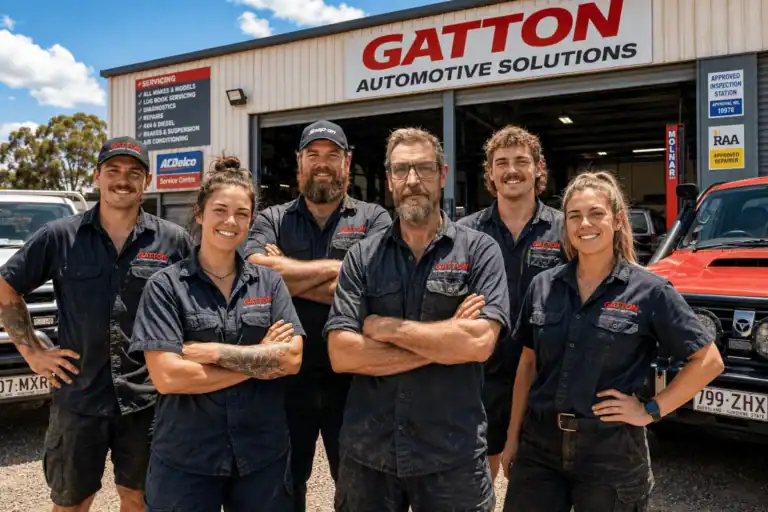
Gatton Automotive Solutions handles everything from everyday passenger cars through to heavy 4WDs, utes, trucks, and farm equipment, all under one roof. Japanese vehicle tailshaft repairs are a regular part of what we do, and we handle parts sourcing in-house, which means fewer delays waiting on third-party suppliers. We’re locally owned and based right here in Gatton, so there’s no need to drive 45 minutes each way for a repair that can be done properly in town.
Our approach is straightforward: inspect it properly, tell you honestly what’s needed, and do the work to a standard that holds up. We carry five-star reviews from Lockyer Valley drivers, and that kind of reputation gets built one job at a time.
If you’re noticing any of the symptoms above, Call Us Now or Book Your Free Inspection online. We’ll take a look and give you a straight answer on what your vehicle actually needs right here in Gatton.