Limited Time: Free Windscreen Wipers With Any Service. Subject To Availability.

Locally Owned & Operated
Honest Upfront Pricing
5★ Reviews
All Makes & Models

Verified 5★ Reviews

Industry Leading Japanese Vehicles Radiator Service In Gatton

We service Japanese vehicle radiators and cooling systems in Gatton, keeping your engine running at the right temperature. Book your free inspection today.

One-Stop Workshop

Honest Advice

5★ Reviews

Japanese Cooling Specialists

Book Your Free Inspection

Tell us what you need and we'll get back to you with a clear quote.

Booking Form
  • Vehicle Details
  • Confirm Vehicle
  • Services
  • Contact Details
Honest Quotes
All Vehicle Types
Local & Reliable

Why Book With Us

Book Your Free Inspection
Drop Off Your Vehicle
We Get to Work
Collect Your Car

Japanese vehicles have earned a strong reputation for reliability, and a big part of that comes down to how well their cooling systems are designed and maintained. A Japanese vehicles radiator service is one of the more straightforward ways to protect that reliability over the long term. Whether you’re driving a Toyota HiLux out to the farms around the Lockyer Valley, a Mazda commuting through Gatton daily, or a Nissan Patrol doing weekend work, the radiator sits at the heart of keeping your engine running at the right temperature. Neglect it, and even the most dependable Japanese engine can overheat without much warning.

Signs Your Radiator Needs Attention

The cooling system on a Japanese vehicle is genuinely good from the factory, but no system lasts forever without maintenance. Coolant degrades, hoses age, and radiator cores can develop small leaks that grow into bigger problems over time. Here are the warning signs worth paying attention to:

  • Temperature gauge creeping up beyond its normal operating range, particularly in stop-start traffic or when towing
  • Low coolant level with no obvious spill or leak you can explain
  • Discoloured coolant that has turned brown or rust-coloured, which points to internal corrosion or coolant breakdown
  • Visible wetness or residue around hose connections, the radiator cap, or the radiator itself
  • Sweet smell from under the bonnet or through the cabin vents, often a sign of a coolant leak
  • White steam from the bonnet, which means coolant is already escaping and you need to stop driving immediately

Japanese manufacturers like Toyota, Mazda, Subaru, and Mitsubishi typically specify coolant change intervals in their logbooks, but it’s worth knowing that the actual condition of your coolant matters just as much as the kilometres. Lockyer Valley summers and the dust from rural driving around Gatton can accelerate wear on hoses and the radiator core faster than urban conditions might.

What a Radiator Service Involves for Japanese Vehicles

Japanese vehicles use a range of coolant specifications depending on the manufacturer and model year, and getting this right matters more than people often realise. Toyota, for example, uses a pink long-life coolant in many of its newer models, while Subaru and Mitsubishi have their own colour-coded specifications. Using the wrong coolant type can cause corrosion, seal damage, or reduced protection over time.

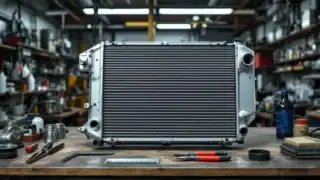
When you bring your vehicle to us, we start by inspecting the entire cooling system, not just the radiator itself. That means checking coolant condition and concentration, testing the radiator cap (a faulty cap can cause the system to lose pressure and boil over at lower temperatures than it should), and looking over hoses and clamps for signs of cracking, softness, or seepage. We check the radiator core for fin damage, blockages, and any external corrosion that could affect performance.

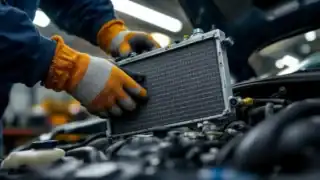
If a coolant flush is required, we use the appropriate coolant type and concentration for your specific make and model, not a one-size-fits-all product. For vehicles with higher kilometres, we also check the thermostat and assess whether the overflow reservoir is functioning correctly. Where a radiator is cracked or beyond serviceable condition, we can organise a replacement, sourcing parts to suit your vehicle and talking you through the options before any work begins.

What Affects the Cost and Time Involved

A routine radiator inspection and coolant service on a Japanese passenger vehicle is typically a straightforward job, though a few factors can shift how long or how involved it becomes. The main ones are:

  • Coolant type: Genuine-spec or OEM-equivalent coolants for some Japanese models cost more than generic options, but using the right product protects the system properly
  • Age and condition: An older HiLux or Pajero with corroded hoses or a leaking radiator core will need more work than a newer vehicle coming in for a scheduled flush
  • Vehicle size and engine configuration: Larger 4WDs, dual-cab utes, and vehicles with diesel engines typically carry more coolant and have more complex cooling circuits than small passenger cars
  • Parts availability: We handle parts sourcing in-house, which means you’re not chasing components yourself

We give you a clear picture of what’s needed before we start, so there are no surprises when the job is done.

Why Gatton Drivers Bring Their Japanese Vehicles to Us

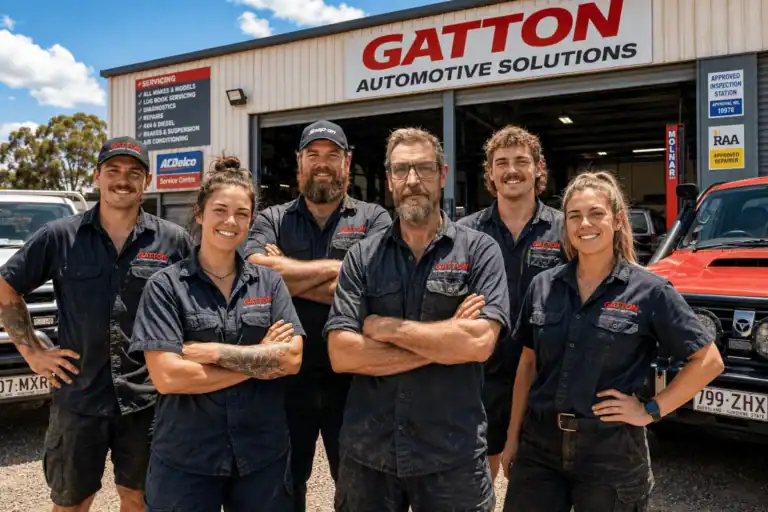
Gatton Automotive Solutions is a full-service workshop covering cars, 4WDs, utes, trucks, and heavy equipment, all in one place. You don’t need to drive to Ipswich or Toowoomba for cooling system work on your HiLux, Mazda, Navara, or any other Japanese vehicle. We carry out everything from a routine radiator flush through to radiator replacement and full cooling system diagnostics on-site.

We’re locally owned and operated in Gatton, and the feedback from our customers backs up what we aim for every day: honest advice, straight pricing, and no unnecessary work recommended. With five-star reviews, we’re proud of the trust the Lockyer Valley community puts in us. We also service fleet and commercial vehicles, so if you run Japanese-brand utes or vans for work, we can look after those too.

If your temperature gauge is climbing, your coolant is due for a change, or you’ve noticed a leak and want it properly diagnosed, Call Us Now or Book Your Free Inspection online. We’re here in Gatton and ready to help.

Other Services

Whatever your needs we have you covered, see some similar services below or click "See All Services" to explore our full service offering.

Your Local Workshop for Every Vehicle

Gatton Automotive Solutions is the one-stop shop for cars, 4WDs, trucks, and heavy equipment. Honest advice and fair pricing, right here in Gatton.

Honest Pricing, No Surprises

We tell you what’s needed and what it costs before we start. No upselling, no pressure.

Everything Under One Roof

Bring your car in and we’ll inspect it, explain what we find, and quote you upfront.

Japanese Vehicle Radiator Expertise

Make-specific knowledge and proper parts sourcing for Japanese cooling repairs.

How Japanese Radiator Service Works

From booking through to collection, here's how we diagnose and repair your Japanese vehicle's cooling system.

Step 1

Book Your Free Inspection

Call us or book online to arrange your radiator inspection and get clarity on any cooling issues.

Step 2

Cooling System Diagnosis

We pressure test your radiator, inspect hoses, and check coolant condition using Japanese-spec procedures.

Step 3

Radiator Repair or Replacement

We repair leaks, flush contaminated coolant, or fit OEM-specification radiators suited to your Japanese vehicle.

Step 4

Test and Collection

We run a cooling system test, verify temperature stability, and hand over your vehicle ready for the road.

Five-Star Rated

Verified 5★ Reviews

Quality Parts From Trusted Suppliers

We use genuine and quality aftermarket parts from reputable suppliers. You get reliable components backed by proper warranties.

Book Your Free Inspection

Tell us what you need and we'll get back to you with a clear quote.

Booking Form
  • Vehicle Details
  • Confirm Vehicle
  • Services
  • Contact Details
Honest Quotes
All Vehicle Types
Local & Reliable

Why Book With Us

Book Your Free Inspection
Drop Off Your Vehicle
We Get to Work
Collect Your Car

Frequently Asked Questions

Browse answers to common questions about our services. Can't find what you're after? Give us a call and we'll help.

We start by inspecting the radiator, hoses, and overflow reservoir for cracks, corrosion, or leaks. The coolant is tested for pH balance and freeze protection, since degraded coolant causes internal corrosion in Japanese engines faster than many drivers expect. If a flush is needed, we drain the old coolant, flush the system, and refill with the correct coolant type for your vehicle. We also check the radiator cap pressure rating, thermostat operation, and the condition of the cooling fans before handing the car back.

Japanese vehicles like Toyota, Honda, Mazda, and Subaru generally have reliable cooling systems, but a few issues come up regularly. Older Subaru models with EJ engines are known for head gasket failures that can introduce exhaust gases into the coolant. Some Mazda rotary engines run hot by nature and are sensitive to coolant quality. Honda and Toyota models with high kilometres often develop weeping radiator end tanks made from plastic, which harden and crack over time. Catching these early through a proper radiator inspection avoids much bigger repair bills.

The most obvious sign is the temperature gauge climbing higher than normal or sitting in the red. You might also notice a sweet smell from under the bonnet, which points to coolant burning off, or a visible puddle of coloured fluid under the car after parking. A heater that suddenly blows cold air when the engine is warm can signal a low coolant level or a blockage. Any of these symptoms means you should stop driving and get the cooling system inspected rather than pushing on.

Under ACCC guidance, Australian consumer law generally allows you to have your vehicle serviced by a qualified independent mechanic without voiding the manufacturer warranty, as long as the service is carried out to the manufacturer’s specifications and documented properly. We use coolant types and service procedures that match what your Japanese vehicle requires, and we record the work clearly. This is general information, not legal advice, so we would encourage you to check your specific warranty terms if you have any concerns.

For most Japanese vehicles, the coolant should be tested at every major service interval and replaced every two to five years depending on the type of coolant fitted from the factory. Long-life coolants used in many newer Toyota, Honda, and Mazda models can go longer between changes, but they still degrade and need to be checked rather than assumed fine. In regional areas like Gatton where vehicles work harder in summer heat, checking coolant condition annually is a sensible habit.

Cost varies depending on whether a coolant flush is needed, the coolant specification your vehicle requires, and whether any components like hoses, the radiator cap, or the thermostat need replacing. Japanese vehicles can require specific coolant formulations, and using the wrong type can cause corrosion, so getting the spec right matters. A standard flush and refill is typically completed in a couple of hours. More involved work like a radiator replacement takes longer. We can give you a clear picture of what is needed and what it will cost before any work begins.

It is not safe to keep driving with an elevated temperature gauge. Overheating even briefly can warp cylinder heads, damage head gaskets, or crack engine components, and repair costs from heat damage are significantly higher than fixing the original cooling system fault. Japanese engines are generally well-engineered, but they are not immune to heat damage. If the gauge climbs above its normal range, pull over safely, let the engine cool, and arrange for the cooling system to be checked before driving further.

We use coolant formulations matched to the specific requirements of the vehicle, not a one-size-fits-all product. Japanese manufacturers often specify particular coolant chemistries. Toyota vehicles, for example, typically call for a pink long-life coolant, while some Honda and Subaru models have their own requirements. Mixing incompatible coolants can cause sludge, corrosion, and blocked passageways. We check the manufacturer specification for your vehicle before selecting the correct product for the flush and refill.

A small leak rarely stays small. As coolant level drops, the engine runs hotter, which puts additional stress on the head gasket, water pump, and radiator. Low coolant also accelerates internal corrosion because the inhibitors in the coolant become concentrated or depleted. What starts as a minor weeping hose or a slow drip from a cracked radiator tank can lead to an overheated engine and a costly repair if left unattended. Getting a leak checked promptly is far less expensive than dealing with the damage it causes.

Gatton Automotive Solutions services Japanese vehicles including Toyota, Honda, Mazda, Subaru, Mitsubishi, and Nissan models. We carry out full cooling system inspections, coolant flushes, and radiator repairs or replacements as needed. If you are experiencing cooling system symptoms or are simply due for a coolant change, Call Us Now or Book Your Free Inspection to arrange a time that suits you.

Continue to site