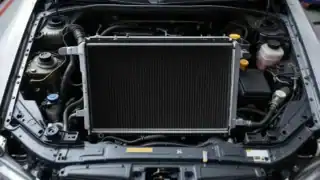
A Toyota radiator service is one of those jobs that tends to get overlooked until something goes wrong. The radiator sits at the heart of your engine’s cooling system, moving heat away from the engine block and out through the front of the vehicle. When it starts to fail, the consequences can range from an inconvenient breakdown to serious engine damage. Getting a proper Toyota radiator service done here in Gatton means you’re dealing with the problem before it deals with you.
Warning Signs Your Toyota Radiator Needs Attention
Toyota builds reliable engines, but no cooling system lasts forever. The Lockyer Valley’s mix of summer heat, heavy towing, and long rural runs puts genuine strain on your coolant system. Here’s what to watch for:
- Temperature gauge creeping higher than normal, especially in slow traffic or on hot days
- Sweet or slightly syrupy smell coming from under the bonnet, which often indicates a coolant leak
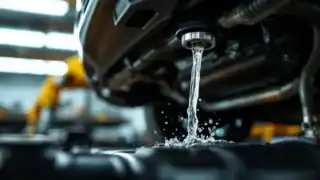
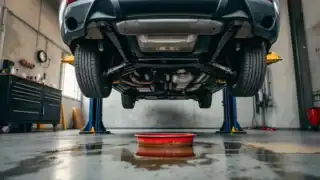
- Visible coolant pooling under the vehicle after it’s been parked
- Low coolant warning light appearing on your Toyota’s dashboard
- White steam or vapour rising from the engine bay while driving or after stopping
- Discoloured coolant that looks rusty, brown, or has a sludgy appearance in the overflow bottle
- Heater running cold inside the cabin, even when the engine is warm
Some of these symptoms appear gradually over weeks. Others come on fast. If your temperature gauge is climbing toward the red zone, pull over safely and Call Us Now before driving any further.
What Happens During a Toyota Radiator Service
Toyota vehicles, whether you’re running a HiLux, Prado, Camry, Corolla, or LandCruiser, have model-specific cooling system designs and OEM coolant specifications that matter. Toyota’s long-life coolant (Super Long Life Coolant, or SLLC) is a pink-coloured formulation that should not be mixed with generic green or blue antifreeze. Using the wrong fluid, or topping up incorrectly, can accelerate internal corrosion and reduce the system’s effectiveness.
Our service covers the full picture, not just a flush and refill:
- Visual inspection of the radiator body, fins, and end tanks for cracks, corrosion, or impact damage
- Pressure testing the cooling system to identify leaks that aren’t visible to the naked eye
- Checking the radiator cap for correct release pressure (a failing cap is a common cause of coolant loss that gets misdiagnosed)
- Inspecting upper and lower radiator hoses for softness, cracking, or swelling near the clamps
- Checking coolant concentration and condition using a refractometer
- Flushing and replacing coolant to Toyota’s recommended specification and change interval
- Inspecting the thermostat operation where symptoms suggest sluggish warm-up or erratic temperature
- Checking the overflow reservoir and connecting hoses
On Toyotas with known radiator concerns, such as certain 200 Series LandCruisers with the 1VD-FTV V8 diesel, we pay particular attention to the transmission oil cooler lines where they pass through the radiator. Coolant and transmission fluid mixing through a failed internal cooler is a known failure mode in those vehicles, and catching it early makes a significant difference to the repair bill.
What Affects the Cost and Time of a Radiator Service in Gatton?
Not every radiator job is the same. A routine coolant flush and refill on a Corolla takes considerably less time and materials than a radiator replacement on a diesel LandCruiser or a 200 Series with a transmission cooler failure. A few variables make a real difference:
Parts and fluid specification: Toyota vehicles generally call for OEM-spec coolant. Genuine Toyota SLLC or a quality equivalent that meets Toyota’s specification is what we’ll use. Substituting a generic coolant to save a few dollars causes more problems than it solves.
Whether the radiator needs replacement or repair: Plastic end tanks crack over time, especially in vehicles exposed to seasonal temperature extremes. Some can be repaired; others need a new unit. We’ll give you a straight read on which way to go before any work begins.
Ancillary components: If hoses, the thermostat, or the radiator cap are showing their age, we’ll let you know. Replacing a hose while the system is already open is cheaper than coming back in six months for a roadside recovery call.
Your vehicle’s age and model: Older Toyotas on high kilometres may have coolant passages with more scale buildup, which can extend a flush job. Newer models with more compact engine bays sometimes take longer to access certain components.
Why Gatton Automotive Solutions for Your Toyota’s Cooling System
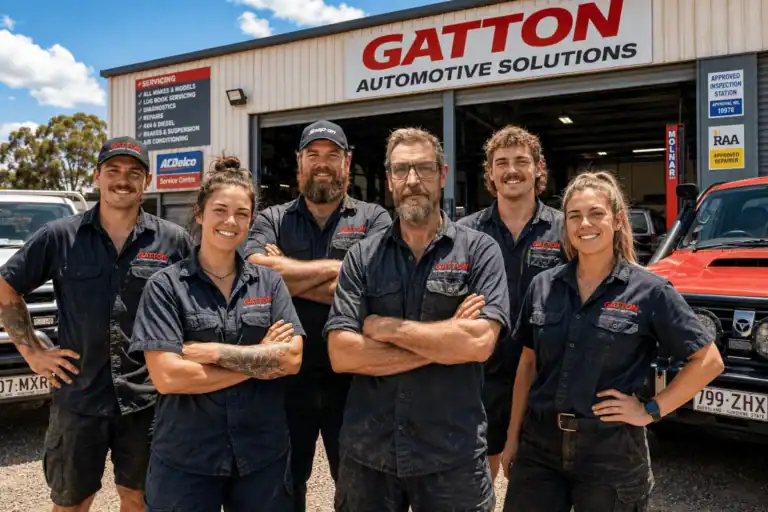
We’re a full-service workshop right here in Gatton, handling everything from everyday passenger cars to 4WDs, utes, trucks, and heavy equipment. You won’t need to drive to Ipswich or Toowoomba for a cooling system service on your Toyota. Whether you’re running a single HiLux on a rural property or managing a mixed fleet, we’ve got the capacity and the parts-sourcing setup to turn the job around properly.
Our pricing is straightforward. We’ll tell you what the vehicle needs, explain why, and get your go-ahead before we spend your money. No inflated job lists, no unnecessary extras. That’s how we’ve built our reputation locally, and it’s how we intend to keep it. With five-star reviews from drivers across the Lockyer Valley, our work speaks for itself.
Beyond cooling system work, Gatton Automotive Solutions offers roadworthy certificates, smash repairs, custom paintwork, suspension upgrades, tyre supply and fitting, and agricultural and farm equipment servicing, all under one roof. There’s no need to coordinate multiple workshops or make trips out of town.
If your Toyota is running warm, losing coolant, or it’s simply been a while since the cooling system was checked, Book Your Free Inspection online or Call Us Now. We’re here in Gatton and ready to help.