A Volkswagen radiator service is one of those jobs that doesn’t always get booked until something’s already gone wrong. That’s understandable, but Volkswagen cooling systems have a few quirks worth knowing about before a minor leak becomes a roadside overheating incident. Whether you’re driving a Golf, Transporter, Polo, or Amarok around Gatton and the Lockyer Valley, getting your radiator inspected and serviced by someone familiar with VW cooling system design can save you a lot of grief.
Signs Your Volkswagen Cooling System Needs Attention
Volkswagen engines run tight tolerances, and the cooling system plays a bigger role in keeping them healthy than many drivers realise. These aren’t always dramatic warning signs. Sometimes it’s subtle.
- Temperature gauge climbing higher than usual, especially in stop-start traffic or on warm days
- Coolant warning light appearing on the instrument cluster or a low coolant message in the vehicle’s display
- A sweet smell from the engine bay, which often indicates a coolant leak before it becomes visible
- Visible coolant on the ground under the front of the vehicle after it’s been parked
- White residue or staining around hose connections or the radiator itself
- Heater blowing cold air when it should be warm, which can point to low coolant flow or a partially blocked system
- Coolant reservoir sitting low repeatedly, even after it’s been topped up
If your Volkswagen is showing any of these symptoms, don’t wait. A cooling system that’s losing capacity puts real stress on the engine, and VW petrol and diesel engines alike are sensitive to overheating events.
What Volkswagen Radiator Service Actually Involves
Not every radiator job is the same, and Volkswagen vehicles have some model-specific considerations that shape how we approach the work.
Initial Inspection and Pressure Testing
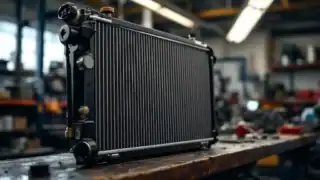
We start by pressure testing the cooling system, which involves pressurising the circuit to a specified level and monitoring it for any drop. This picks up slow leaks that aren’t obvious at a visual inspection. On Volkswagen vehicles, we also check the plastic end tanks on the radiator itself. VW radiators often use aluminium cores with plastic top and bottom tanks, and over time these tanks can develop hairline cracks, particularly at the seams, which cause slow coolant loss that’s easy to miss.
Radiator and Hose Condition
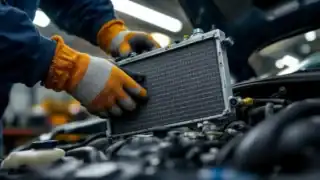
We inspect the radiator core for blockages, corrosion, and physical damage. The upper and lower hoses, plus any auxiliary coolant hoses feeding the heater matrix or turbo on diesel and performance models, all get checked for softness, cracking, and weeping at the connection points. On the Amarok V6 TDI and the Transporter range in particular, auxiliary cooling circuits are worth attention alongside the main radiator circuit.
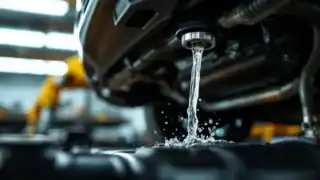
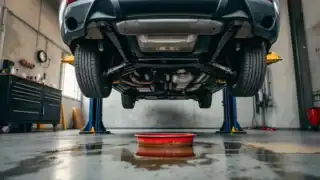
Coolant Flush and Refill
Volkswagen specifies a long-life coolant, often referred to as G12, G13, or the current G13-plus formulation depending on the model year. These coolants are not interchangeable with generic green coolant, and mixing types can cause silicate deposits to form inside the system, reducing flow and eventually causing damage. We refill with the correct VW-spec coolant for your model, making sure the concentration is right for Australian conditions.
Thermostat and Coolant Pump Check
If the system is showing temperature irregularities or slow warm-up behaviour, we also check the thermostat’s operation. Some Volkswagen models use electric coolant pumps rather than a traditional belt-driven unit, particularly on newer Golf and Passat platforms. We check these for correct operation as part of any cooling system inspection.
What Affects the Cost and Timeframe of a Radiator Service?
The honest answer is: it depends on what the inspection finds. A coolant flush and refill on a Polo or Golf is a straightforward job. Replacing a cracked radiator, sourcing a replacement thermostat housing, or dealing with a failed electric coolant pump on a later-model VW involves more parts and labour. Genuine VW-spec coolant costs more than generic alternatives, but using the wrong fluid in a Volkswagen cooling system is a false economy. We’ll tell you what we find before any work starts, so there are no surprises on the invoice.
Parts availability for Volkswagen models is generally solid. Most common components for the Golf, Polo, Transporter, and Amarok can be sourced without major delays. We handle parts sourcing directly, so you don’t need to track anything down yourself.
Why Gatton Automotive Solutions for Your Volkswagen Cooling System?
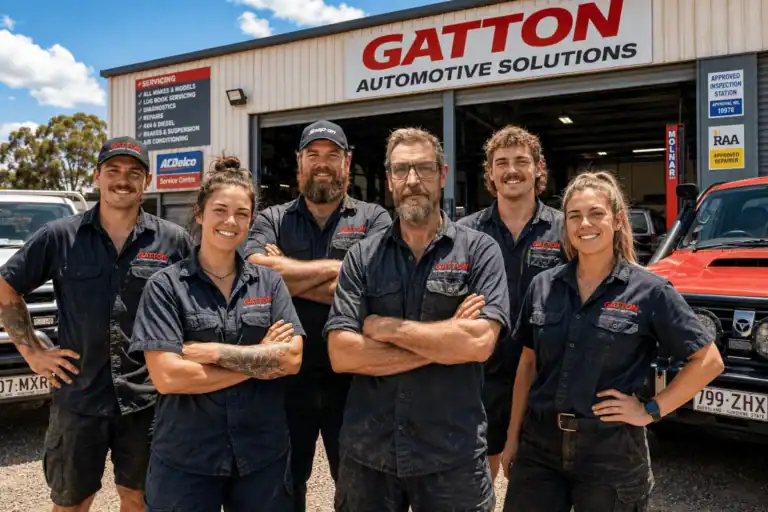
We’re a full-service workshop in Gatton covering cars, 4WDs, trucks, and heavy equipment under one roof. For Volkswagen owners in the Lockyer Valley, that means no hour-long drive to Ipswich or Toowoomba for a job that can be handled locally. We give you straight information about what your vehicle needs, and we don’t recommend work that isn’t warranted.
With five-star reviews from local drivers, we’ve built a reputation on doing the job properly and talking to people plainly. Whether you’re driving a daily Polo around Gatton, running an Amarok through Laidley and Plainland, or managing a small fleet that includes VW Transporters, we can take care of the cooling system work without fuss. Alongside radiator and cooling system work, the workshop also handles roadworthy certificates, suspension upgrades, tyre supply and fitting, smash repairs, and general mechanical servicing – all in the one place.
If your Volkswagen’s temperature gauge is misbehaving or you just want the cooling system checked before summer, Call Us Now or Book Your Free Inspection online. We’re here in Gatton and ready to sort it out.