European vehicles are engineered to tight tolerances, and their cooling systems reflect that. A European vehicles radiator service isn’t simply flushing out old coolant and topping it up with whatever’s on the shelf. Brands like BMW, Mercedes-Benz, Audi, Volkswagen, and Peugeot specify particular coolant types, pressure ratings, and service intervals that differ from what you’d use on a Japanese or Australian-market vehicle. Getting these details wrong can cause more problems than it solves. At Gatton Automotive Solutions, we handle European radiator servicing for drivers across the Lockyer Valley who want the job done properly without driving to Ipswich or Toowoomba.
Signs Your European Vehicle’s Radiator Needs Attention
The radiator sits at the centre of your car’s ability to manage heat. When it starts to fail, you usually get a few warnings before things become serious. The tricky part is that some of these signs are easy to dismiss or misread, especially on European vehicles where the dashboard can display multiple fault codes at once.
- Temperature gauge climbing higher than normal, particularly in slow traffic or on long climbs
- Coolant warning light or engine temperature warning appearing on the instrument cluster
- Sweet or unusual smell coming from the engine bay, which can indicate a coolant leak
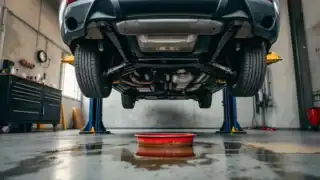
- Visible coolant pooling under the car after it’s been parked
- Heater producing lukewarm air when it should be hot, which can point to low coolant or a blocked heater core circuit
- White or grey smoke from the exhaust, which may signal coolant is entering the combustion chamber
- Overflow reservoir running low repeatedly despite being topped up
On many European models, the expansion tank and associated plastic components are known to develop hairline cracks with age. Volkswagen Group vehicles (including Audi, Skoda, and SEAT) and older BMW 3 and 5 Series models are particularly prone to cracking expansion tanks and weeping coolant hoses around the 8 to 12 year mark. If your European car is getting on in age, a cooling system inspection is worth doing proactively rather than waiting for a failure.
What a European Radiator Service Actually Involves
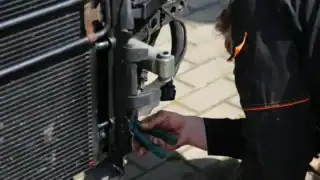
We start with a visual inspection of the entire cooling circuit: the radiator core, hoses, clamps, expansion tank, thermostat housing, and water pump. On European vehicles, the water pump is often driven by the timing belt or chain rather than a separate accessory belt, so we note its condition and flag it if it’s approaching its service life. A failing water pump can cause overheating quickly and, depending on the engine, can lead to significant internal damage if it seises.
From there, we pressure-test the system. This involves pressurising the cooling circuit to the specified operating pressure for your vehicle and checking for any drop that would indicate a leak in the radiator, hoses, or head gasket area. European vehicles often run at higher system pressures than their Asian counterparts, so using the correct pressure specification matters.
Coolant condition is assessed next. Many European manufacturers specify OAT (organic acid technology) or HOAT (hybrid OAT) coolants, often in specific colours and concentrations. Using a generic green coolant in a BMW or Mercedes that calls for a blue or yellow OAT-type fluid can cause silicate sludge to build up inside the radiator over time, restricting flow. We drain, flush, and refill with coolant that meets your vehicle’s OEM specification.
Where a radiator needs replacement, we source parts that match the original fit and specification. For most European makes, this means choosing between genuine OEM parts and quality aftermarket alternatives that carry the appropriate certification. We’ll walk you through the options clearly so you can make the call that suits your budget and how long you plan to keep the car.
What Affects the Cost and Time for Radiator Work on European Vehicles?
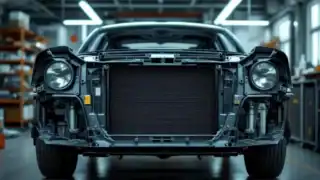
Parts availability is the biggest variable. Some European radiators are stocked locally, while others need to be ordered in, which adds lead time. The complexity of your specific model also plays a role. On some European vehicles, accessing the radiator means removing a significant amount of front-end trim and ancillary components, which increases labour time compared to a simpler domestic vehicle. We’ll give you a clear picture of what’s involved before any work begins.
Whether you need a flush and refill, a hose replacement, or a full radiator swap will naturally affect the overall cost. We don’t recommend parts or work that aren’t genuinely needed. If a flush and refill addresses your issue, that’s what we’ll do.
Radiator Servicing for European Vehicles in Gatton
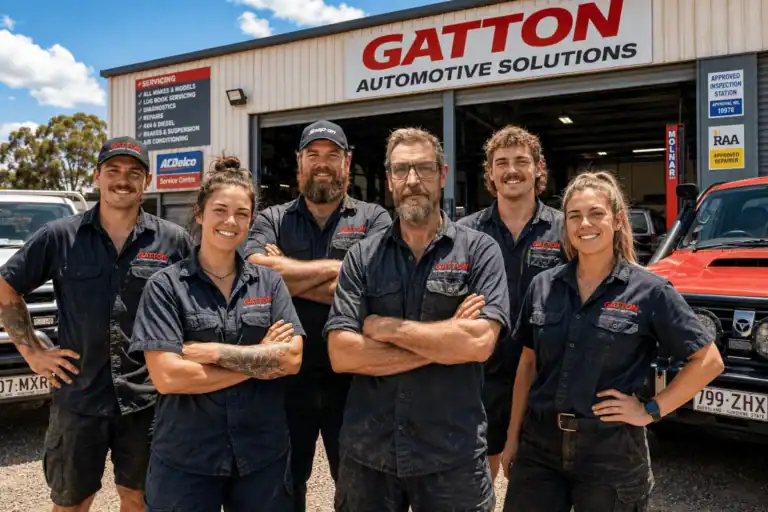
Gatton Automotive Solutions is a full-service workshop, which means European cooling system work sits alongside everything from general servicing and tyres through to roadworthy certificates, smash repairs, and heavy vehicle work. You don’t need a specialist European dealership for this kind of service, and you certainly don’t need to make a 45 to 80km round trip to Ipswich or Toowoomba. Our team works across a wide range of makes and vehicle types every day, and we handle parts sourcing in-house to keep things moving efficiently for you.
We also back that up with five-star reviews from drivers across the Lockyer Valley, which reflects the straightforward approach we take: honest advice, fair pricing, and no unnecessary upselling.
If your European vehicle is running hot, showing a warning light, or due for a cooling system service, Call Us Now or Book Your Free Inspection online. We’ll take a proper look and let you know exactly what’s needed for your vehicle in Gatton.