Limited Time: Free Windscreen Wipers With Any Service. Subject To Availability.

Locally Owned & Operated
Honest Upfront Pricing
5★ Reviews
All Makes & Models

Verified 5★ Reviews

Local Japanese Vehicles Radiator Repair In Gatton

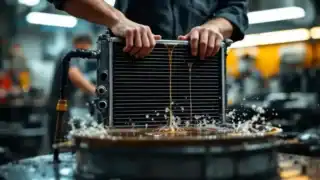
We diagnose and repair radiator faults in Japanese vehicles right here in Gatton. Fast, honest service keeps your cooling system running reliably.

One-Stop Workshop

Honest Advice

5★ Reviews

Japanese Cooling Experts

Book Your Free Inspection

Tell us what you need and we'll get back to you with a clear quote.

Booking Form
  • Vehicle Details
  • Confirm Vehicle
  • Services
  • Contact Details
Honest Quotes
All Vehicle Types
Local & Reliable

Why Book With Us

Book Your Free Inspection
Drop Off Your Vehicle
We Get to Work
Collect Your Car

Japanese vehicles have earned a strong reputation for reliability, and a well-maintained cooling system is a big part of why they last. When something goes wrong with the radiator, though, that reputation can unravel quickly. A failing radiator means the engine can’t shed heat properly, and overheating is one of the fastest ways to turn a minor repair into a serious mechanical problem. Japanese vehicles radiator repair is something we handle regularly at Gatton Automotive Solutions, covering everything from small coolant leaks to full radiator replacements across the most common Japanese makes on the road.

Warning Signs Your Japanese Vehicle’s Radiator Needs Attention

Radiator problems rarely appear without warning. Most drivers notice something is off well before the temperature gauge hits the red. The challenge is knowing which signs point specifically to the radiator rather than other parts of the cooling system.

  • Rising temperature gauge – If your gauge climbs higher than usual, especially on longer runs or in slow traffic, the radiator may not be flowing or transferring heat efficiently.
  • Coolant pooling under the car – A coloured puddle (usually green, orange, or pink depending on the coolant type) left behind after parking is a common sign of a radiator leak.
  • Low coolant warning light – Many Japanese vehicles have a dedicated coolant level sensor. If it triggers without an obvious external leak, the radiator or hoses may be weeping internally.
  • Discoloured or sludgy coolant – Healthy coolant is translucent and brightly coloured. Rusty, brown, or oily coolant suggests contamination, which can block the fine internal channels of the radiator core.
  • Steam from the engine bay – This is a sign the engine is already overheating. Pull over safely and do not continue driving.
  • White smoke from the exhaust – When coolant finds its way into the combustion chamber, it burns off as white smoke. This can point to a head gasket failure caused by prolonged overheating.

If you’re seeing any of these signs in your Toyota, Nissan, Mazda, Mitsubishi, Honda, or Subaru, it’s worth having the cooling system inspected before the problem gets bigger.

How We Diagnose and Repair Radiators in Japanese Vehicles

Japanese makes each have their own cooling system characteristics, and we factor that in from the start. Toyota models, for example, are known for plastic end-tanks on the radiator that can crack over time as the plastic becomes brittle with age. Nissan Patrols and Navaras can develop pinhole leaks in the aluminium core, often accelerated by electrolytic corrosion. Subaru vehicles, particularly those with the EJ-series flat-four engine, demand careful attention to coolant condition because the head gasket design on these engines is vulnerable to overheating stress.

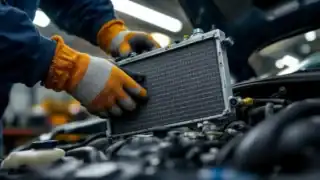
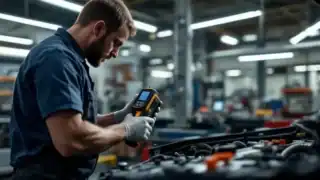
Our process starts with a proper cooling system pressure test. We pressurise the system and hold it, watching for pressure drop that indicates a leak the naked eye might miss. We then inspect the radiator core, end-tanks, inlet and outlet connections, and overflow bottle. Where a leak is present, we assess whether a repair is viable or whether a replacement radiator is the right call.

For coolant flushes and refills, we use the fluid specification appropriate to the vehicle. Many Japanese manufacturers specify long-life coolants, and using the wrong formulation can actually accelerate corrosion in the system. We source quality parts and fluids that align with OEM specifications, so you’re not left with a repair that creates a new problem six months down the track.

What Affects the Cost and Time for Radiator Repair?

Radiator repair costs vary depending on several honest factors. The severity of the damage matters most. A cracked plastic end-tank on a common Toyota Corolla or Camry is a straightforward replacement job, while a leak buried behind other components on a four-wheel drive or diesel ute will take more time to access and address properly. Parts availability plays a role too. Radiators for popular Japanese models are generally well-stocked, but less common variants or older models can require sourcing, which adds lead time.

Whether OEM-equivalent or genuine parts are used will also affect the final cost. We’ll talk through the options with you honestly, without pushing you toward the most expensive choice. The goal is a repair that lasts, not one that gets the car out the door today and back in next month.

Radiator Repair in Gatton, Without the Drive to the City

A lot of Lockyer Valley drivers have been used to the idea that anything beyond a basic service means a trip to Ipswich or Toowoomba. That’s not the case here. Gatton Automotive Solutions handles cooling system diagnostics, radiator repair, and full replacement on-site, covering cars, 4WDs, and light commercial vehicles from a single workshop.

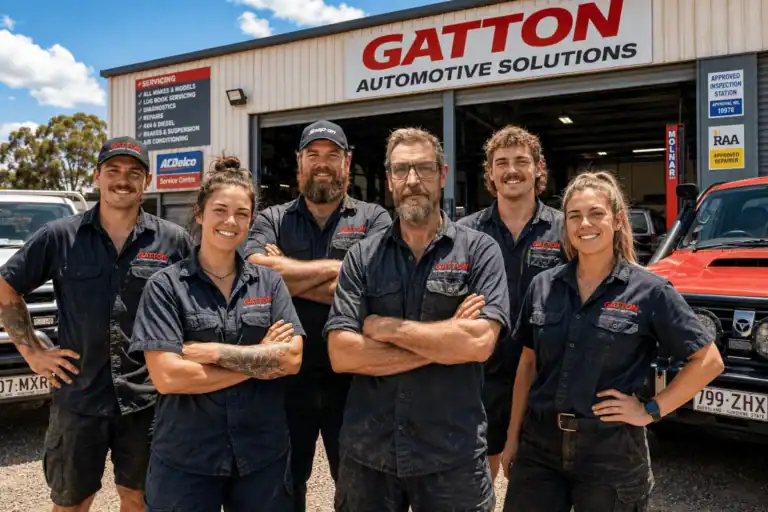
We’re locally owned and operated in Gatton, which means the people working on your vehicle are the same people you deal with at the counter. There’s no upselling, no unnecessary work recommended to pad a bill. With five-star reviews, the feedback from drivers across Gatton and the surrounding Lockyer Valley speaks for itself.

Beyond cooling system work, we’re a full-service workshop covering everything from general mechanical repairs and logbook servicing to roadworthy certificates, suspension upgrades, tyre supply and fitting, smash repairs, and parts sourcing. If your Japanese vehicle needs more than just a radiator fix, we can take care of that too, without you having to coordinate across multiple workshops.

To book a cooling system inspection or radiator repair for your vehicle, use the Book Your Free Inspection link on this page, or give us a call using the Call Us Now button. We’re here for drivers across Gatton and the wider Lockyer Valley region.
Other Services

Whatever your needs we have you covered, see some similar services below or click "See All Services" to explore our full service offering.

Your Local Workshop for Every Vehicle

Gatton Automotive Solutions is the one-stop shop for cars, 4WDs, trucks, and heavy equipment. Honest advice and fair pricing, right here in Gatton.

Honest Pricing, No Surprises

We tell you what’s needed and what it costs before we start. No upselling, no pressure.

Everything Under One Roof

Bring your car in and we’ll inspect it, explain what we find, and quote you upfront.

Right Parts Sourced First Time

We source quality parts suited to Japanese radiator specs to get the job done right.

How Japanese Radiator Repair Works

From diagnosis to a cool-running engine, here's how we handle your radiator repair from start to finish.

Step 1

Book Your Free Inspection

Call us now or book your free inspection to have cooling system leaks or overheating issues diagnosed.

Step 2

Cooling System Diagnostic

We pressure test the radiator and inspect hoses, coolant, and connections using Japanese vehicle procedures.

Step 3

Radiator Repair or Replace

We repair leaks, flush the system, or fit a replacement radiator matched to your Japanese vehicle's specs.

Step 4

Test and Collection

We run a full cooling system check, confirm temperature stability, and hand your vehicle back road-ready.

Five-Star Rated

Verified 5★ Reviews

Quality Parts From Trusted Suppliers

We use genuine and quality aftermarket parts from reputable suppliers. You get reliable components backed by proper warranties.

Book Your Free Inspection

Tell us what you need and we'll get back to you with a clear quote.

Booking Form
  • Vehicle Details
  • Confirm Vehicle
  • Services
  • Contact Details
Honest Quotes
All Vehicle Types
Local & Reliable

Why Book With Us

Book Your Free Inspection
Drop Off Your Vehicle
We Get to Work
Collect Your Car

Frequently Asked Questions

Browse answers to common questions about our services. Can't find what you're after? Give us a call and we'll help.

We start by pressure-testing the cooling system to pinpoint where the leak or failure is coming from. From there, we inspect the radiator core, end tanks, hoses, and connections for cracks, corrosion, or damage. Depending on what we find, the repair might involve resealing a fitting, replacing a damaged section, or fitting a new radiator. We flush and refill the coolant, then retest the system under pressure before the car leaves. You’ll know exactly what was done and why before we finish.

No. A leaking radiator means your engine isn’t getting the cooling it needs, and overheating can happen quickly. Once the temperature gauge climbs into the red, you’re risking serious engine damage, including warped cylinder heads or a blown head gasket. These repairs cost significantly more than fixing the radiator itself. If you notice your temperature rising, coolant on the ground under the car, or a sweet smell from the engine bay, stop driving and get the vehicle inspected as soon as you can.

Yes, a few patterns come up regularly. Older Toyota and Nissan models with plastic end-tank radiators are prone to cracking at the tank-to-core seam, especially in Queensland’s heat cycles. Mazda vehicles sometimes develop small pinhole leaks at the lower radiator hose connection points. Some Japanese 4WDs and utes with transmission oil coolers built into the radiator can suffer cross-contamination if the internal cooler fails. We’re familiar with these tendencies and know where to look first, which saves diagnostic time.

Several things influence the final price. The main factors are whether the radiator can be repaired or needs full replacement, the parts availability for your specific make and model, and whether the cooling system has any secondary issues like a damaged thermostat, leaking hoses, or a failing water pump that should be addressed at the same time. We’ll assess the system and give you a clear rundown of what’s needed before any work starts, so there are no surprises.

Most straightforward radiator repairs or replacements are completed within the same day. A basic radiator swap on a common Japanese car or SUV typically takes a few hours once parts are on hand. If we need to source a specific part or if the diagnosis uncovers additional cooling system issues, it may carry over to the next business day. We’ll give you an honest estimate of timing once we’ve had a look at the vehicle.

Under ACCC guidance, Australian consumers are generally entitled to have their vehicles serviced and repaired by qualified independent mechanics without losing their manufacturer warranty. This is general information rather than legal advice, and your specific circumstances may vary, so it’s worth checking your warranty documentation if you’re unsure. What matters is that the work is carried out competently and appropriate parts are used. We handle Japanese vehicles radiator repair regularly and can discuss your situation when you come in.

A visual inspection of the cooling system at every service is good practice. A full coolant flush and system check is typically recommended every two years or around 40,000 kilometres, though your owner’s manual will have the specific interval for your model. Japanese vehicles generally use long-life coolant, but it does degrade over time and loses its corrosion-inhibiting properties. Running old coolant is one of the more common causes of internal radiator corrosion we see, particularly in vehicles that haven’t had a flush in several years.

You can get it done right here in Gatton. We carry out radiator repairs and replacements on Japanese cars, 4WDs, and light commercial vehicles at our workshop without you needing to make the trip to Ipswich or Toowoomba. We source parts locally and through our supplier network, and we have the equipment to pressure-test and flush cooling systems on-site. Call Us Now or Book Your Free Inspection and we’ll take a look at what’s going on.

Continue to site