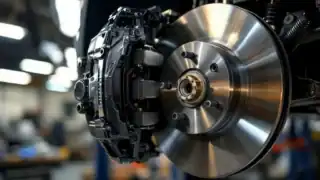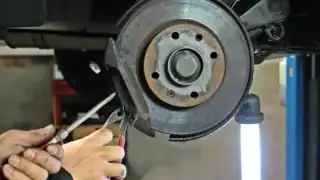
Your brakes are the single most important safety system on your LDV. Whether you’re driving a T60 ute loaded with gear, running a daily commute through Gatton, or hauling equipment across the Lockyer Valley, stopping reliably is non-negotiable. An LDV brake service checks every component in the braking system — pads, rotors, callipers, brake fluid, and lines — and addresses anything that’s wearing down or showing early signs of trouble. Getting on top of brake issues early almost always means a simpler, less costly repair than leaving them until something fails.
Warning Signs Your LDV Brakes Need Attention
LDV vehicles, particularly the T60 and Deliver 9 vans, are often used for hard work – towing, loading, and covering ground on regional roads. That kind of use puts real demands on the braking system. If your brakes are telling you something, it’s worth listening.
- Squealing or grinding when braking – Squealing is often the wear indicator touching the rotor, signalling the pads are low. Grinding usually means the pad material is gone and metal is contacting the disc directly.
- Brake pedal feels soft, spongy, or sinks to the floor – This can point to air in the brake lines or brake fluid that’s absorbed moisture, both of which reduce braking effectiveness.
- Pulling to one side under braking – Often a sign of an uneven calliper, a seized slide pin, or uneven pad wear across the axle.
- Vibration or pulsing through the pedal – Usually caused by warped or unevenly worn rotors, which is common in vehicles that do a lot of towing or frequent hard braking.
- Longer stopping distances – If your LDV needs noticeably more distance to stop, the whole braking system should be inspected promptly.
- Brake warning light on the dash – This can indicate low fluid, a sensor fault, or a problem with the electronic brakeforce distribution system. Don’t ignore it.
What an LDV Brake Service Includes at Our Gatton Workshop
We start every LDV brake job with a proper inspection before any work begins. LDV vehicles use electronic parking brake systems on some models, and the T60 in particular has a rear disc setup that requires specific procedure when compressing the rear callipers – a standard piston wind tool won’t work correctly here. Using the wrong approach risks damaging the calliper mechanism, which is a common issue when these vehicles are serviced without the right knowledge or tooling.
Our inspection covers brake pad thickness on all four corners, rotor condition including surface scoring, hot spots, and minimum thickness measurements, calliper operation and slide pin condition, brake fluid condition and moisture content, flexible brake lines and hard lines for cracks or swelling, and the handbrake and electronic parking brake function where fitted. We check not just what’s wearing but why it’s wearing the way it is – uneven wear patterns usually tell a story about calliper condition or driving habits, and addressing the cause prevents the same issue coming back.
Parts for LDV vehicles are readily available through our workshop. We source quality brake components that meet or exceed OEM specification, so you’re not compromising on stopping performance. For commercial operators and fleet vehicles, we can discuss parts stocking or servicing schedules to keep your LDVs moving with minimal downtime.
What Affects the Cost and Time Involved
Brake servicing on an LDV varies depending on what the inspection finds. A straightforward pad and rotor replacement on a single axle is a relatively contained job. Things that affect complexity and cost include whether one axle or both need attention, the condition of the callipers and whether slide pins need freeing, whether rotors can be machined or need replacement, the current fluid condition and whether a brake fluid flush is due, and whether the electronic parking brake requires recalibration after rear calliper work.
LDV’s recommended brake fluid change interval is generally every two years or as specified in your service schedule, and it’s worth noting that brake fluid absorbs moisture over time – this lowers its boiling point and can cause the spongy pedal feel many drivers notice before they notice anything else. We’ll tell you what we find and what’s genuinely needed before any work is done. No surprises, no unnecessary add-ons.
Why Lockyer Valley LDV Owners Choose Gatton Automotive Solutions
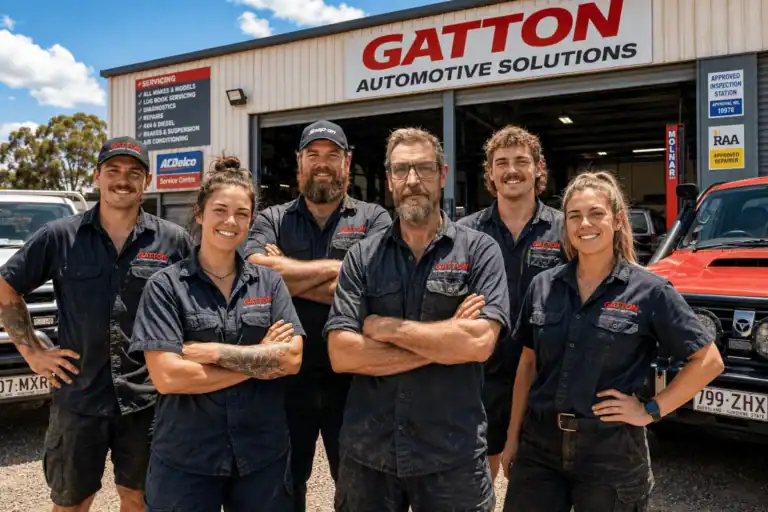
We’re a full-service workshop in Gatton covering cars, 4WDs, utes, vans, trucks, and heavy equipment – all under one roof. For LDV owners in the Lockyer Valley, that means you don’t need to travel to Ipswich or Toowoomba for a proper brake service on your T60 or commercial van. We handle everything here, from brake repairs and tyre fitting through to roadworthy certificates and suspension work.
Our pricing is straightforward. We don’t recommend work unless it’s actually needed, and we explain what we find in plain terms. With five-star reviews from local drivers and businesses, the reputation speaks for itself. Whether you’re a tradie running a single LDV ute or managing a small commercial fleet, we’re set up to look after you properly.
If your LDV is showing any of the signs above, or your brakes are simply due for a check, Call Us Now or Book Your Free Inspection online. We’re right here in Gatton, ready to get your brakes sorted.