Brakes are the most safety-critical system on any vehicle, and a Mitsubishi brake service is one job you don’t want to put off. Whether you’re driving a Triton ute around the Lockyer Valley, running a Pajero on gravel roads out of Gatton, or commuting daily in an ASX or Outlander, your braking system works hard. When something feels off, getting a proper inspection done by mechanics who understand Mitsubishi vehicles is the right first move.
Warning Signs Your Mitsubishi Brakes Need Attention
Mitsubishi models across the range can give you fairly clear signals when brake components are wearing down or failing. Some drivers ignore early signs and end up with more serious work needed down the track. Here’s what to watch for:
- Squealing or squeaking when you brake – most Mitsubishi brake pads include a wear indicator that produces a high-pitched squeal once the pad material gets low. It’s designed to get your attention before metal-on-metal contact starts.
- Grinding noise when braking – if you’ve missed the squeal stage, grinding usually means the pad has worn through and the metal backing is contacting the rotor (brake disc). This causes rotor damage and significantly increases repair costs.
- Soft or spongy brake pedal – if the pedal sinks lower than usual or feels mushy underfoot, there may be air in the brake lines or a problem with the master cylinder or caliper seals.
- Pulling to one side when braking – uneven pad wear, a seized caliper, or a collapsed brake hose can all cause the vehicle to pull left or right under braking. This is a handling issue as much as a brake issue.
- Vibration through the pedal or steering wheel – brake rotor warping is common on vehicles that do a lot of towing or steep descents. Mitsubishi Tritons used for farm work or towing trailers around the Lockyer Valley are particularly susceptible to this.
- Brake warning light on the dash – Mitsubishi’s ABS and brake warning lights can illuminate for several reasons, from low brake fluid to a sensor fault. It should always be diagnosed rather than ignored.
What Happens During a Mitsubishi Brake Inspection and Service
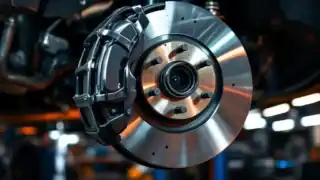
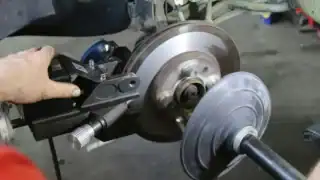
We start with a thorough visual and measured inspection before any parts are recommended. For Mitsubishi vehicles, this means checking pad thickness across all four corners against Mitsubishi’s minimum service specifications, measuring rotor thickness and checking for runout (warping), and inspecting caliper operation to confirm pistons are moving freely and seals aren’t weeping fluid.
Mitsubishi’s brake fluid specification calls for DOT 3 or DOT 4 fluid depending on the model and year. Brake fluid absorbs moisture over time, which lowers its boiling point and can cause brake fade under hard use. We check fluid condition and top up or replace it as needed to meet the manufacturer’s spec.
For Mitsubishi four-wheel drives like the Pajero Sport and Triton, we also inspect the rear drum brake assembly if fitted. Rear drums are often overlooked during routine servicing, but the wheel cylinders, shoes, and adjusters all wear and can cause brake imbalance. Mitsubishi Challengers and older Pajeros running rear drums particularly benefit from a proper drum service as part of any brake job.
If the rotors are within serviceable limits, we machine or replace them depending on remaining thickness. If pads and rotors both need replacing, we source parts that meet or exceed Mitsubishi’s OEM specifications. We can discuss genuine-equivalent versus OEM parts with you so you can make an informed call on what suits your budget and how you use the vehicle.
What Affects the Cost of a Mitsubishi Brake Service?
Brake service costs vary depending on several honest factors. A Mitsubishi ASX used mostly for town driving and needing just a front pad replacement is a very different job from a Triton that’s done serious towing kilometres and needs rotors and pads on all four corners. Here’s what moves the price:
- Which axle needs work, or whether it’s all four corners
- Whether rotors can be machined or need full replacement
- Front disc versus rear drum configuration (varies by Mitsubishi model and year)
- Parts choice between genuine-equivalent and OEM-spec components
- Whether brake fluid replacement is due at the same time
- Any caliper or brake line work identified during inspection
We won’t quote you for parts or work that aren’t needed. If the inspection shows your pads still have serviceable life, we’ll tell you that and give you a realistic idea of when to come back.
Brake Service for Mitsubishi Vehicles in Gatton
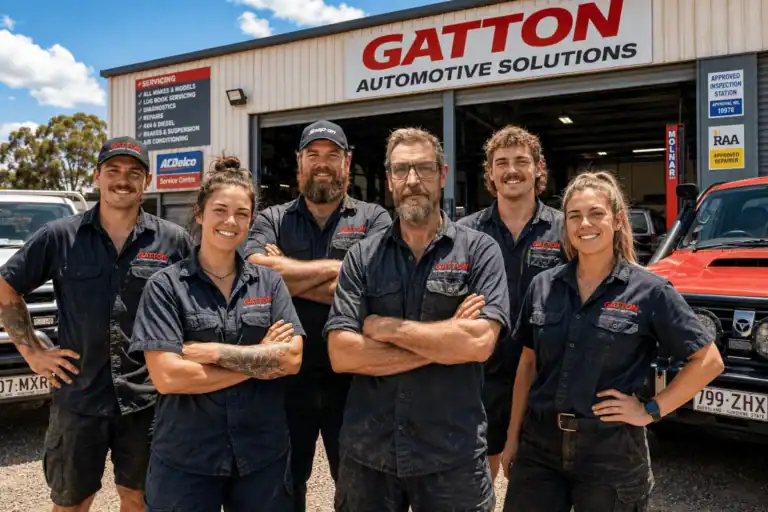
Gatton Automotive Solutions handles brake work across the full range of Mitsubishi models, from everyday hatchbacks and SUVs to Tritons and larger commercial vehicles. Being a full-service workshop means if your brake inspection turns up a related issue, like worn suspension components or tyre wear that’s been caused by a seized caliper, we can address it in the same visit without sending you somewhere else.
We’re locally owned and based in Gatton, which means Lockyer Valley drivers don’t need to head to Ipswich or Toowoomba for quality brake work on their Mitsubishi. Our team handles cars, 4WDs, utes, trucks, and farm equipment, so no job is too big or too straightforward to be worth your time coming in.
Roadworthy certificates are also issued on-site, which is useful if a brake inspection has flagged issues that need to be resolved before your vehicle meets Queensland’s roadworthy standard.
If your Mitsubishi is showing any of the symptoms above, or it’s simply been a while since the brakes were properly checked, Book Your Free Inspection online or Call Us Now to talk through what’s needed.