Limited Time: Free Windscreen Wipers With Any Service. Subject To Availability.

Locally Owned & Operated
Honest Upfront Pricing
5★ Reviews
All Makes & Models

Verified 5★ Reviews

Local Volkswagen Brake Service In Gatton

We inspect and service your Volkswagen's brakes to factory standards in Gatton. Safe, reliable stops start with expert diagnosis and quality parts.

One-Stop Workshop

Honest Advice

5★ Reviews

VW Brake Specialists

Book Your Free Inspection

Tell us what you need and we'll get back to you with a clear quote.

Booking Form
  • Vehicle Details
  • Confirm Vehicle
  • Services
  • Contact Details
Honest Quotes
All Vehicle Types
Local & Reliable

Why Book With Us

Book Your Free Inspection
Drop Off Your Vehicle
We Get to Work
Collect Your Car

Volkswagen brake service isn’t something you want to put off. VW brakes are engineered to tight tolerances, and when they wear down or develop a fault, the performance drop can be noticeable well before the pads are fully spent. Drivers bringing their Golfs, Passats, Tiguans, Polos, and Transporters to us in Gatton often describe the same thing: they noticed something was off weeks before they booked in. Acting early usually means less expense and a safer outcome.

Warning Signs Your Volkswagen Brakes Need Attention

Volkswagen vehicles across the current model range use electronic brake pad wear sensors on most axles. When the pads reach the minimum thickness, a warning light will appear on the instrument cluster, often showing a small brake disc symbol. That’s the clearest signal to book in. But the sensors aren’t the whole story.

  • Squealing or squeaking when braking, especially on the first stop of the day, often means the wear indicators are making contact with the disc
  • A grinding or metal-on-metal noise suggests the pad material has worn completely and the backing plate is cutting into the rotor
  • Pulsing or vibration through the brake pedal can indicate disc runout (where the disc has warped slightly) or uneven rotor wear
  • Pulling to one side when braking points to a seized caliper, uneven pad wear, or a hydraulic imbalance between axles
  • A soft or spongy pedal feel that has changed noticeably from how the car normally feels
  • The brake fluid reservoir sitting low, which can mean the pads are thin and pushing more fluid through, or that there’s a leak in the system

If any of these apply to your VW, it’s worth getting it looked at promptly. Waiting adds wear to the rotors, which can turn a pad replacement into a full rotor replacement job.

How We Service Volkswagen Brakes

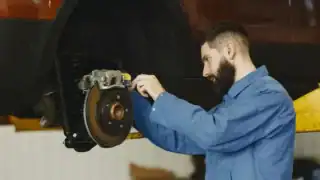
When your Volkswagen comes in, we start with a thorough visual inspection before quoting anything. We remove the wheels to measure pad thickness directly rather than relying solely on the wear sensor reading, because sensors can occasionally fail or give a delayed warning. Rotor thickness is measured with a micrometer to check against VW’s minimum specification for that model, and we inspect both faces of each disc for scoring, heat cracking, or uneven wear patterns.

We also check the brake calipers for sticking pistons and slide pins. Seized caliper slides are a surprisingly common issue on VW models that do a lot of stop-start driving, particularly on vehicles used for school runs or town commuting. A seized slide pin will cause the inner pad to wear significantly faster than the outer, which the wear sensor may not catch early.

Brake fluid is tested for moisture content. Volkswagen’s service schedule recommends brake fluid replacement every two years regardless of distance because the fluid absorbs moisture over time, lowering its boiling point. Wet brake fluid under heavy braking can vapourise and cause sudden pedal fade, which is a serious concern for anyone towing a caravan or descending a long hill. We use a fluid tester on every VW brake job to check whether a flush is actually needed.

Where parts are required, we source to OEM specification. VW braking systems are designed around specific pad compound and rotor tolerances, and fitting substandard parts can affect ABS and ESC (Electronic Stability Control) function. We’ll tell you upfront which parts are needed and why, without adding work that isn’t necessary.

What Affects the Cost and Time of a Brake Service?

Brake servicing costs vary depending on how far the wear has progressed, which axle or axles need attention, and whether the rotors need replacing alongside the pads. A front pad replacement on a Polo is a very different job to a full four-corner brake overhaul on a Touareg or a Transporter commercial van. Parts availability for VW models is generally good in Australia, but some newer models or specific Volkswagen R-line and R variants use larger, more performance-focused brake components that may need to be ordered.

The condition of the calipers matters too. If slides are seized or pistons are sticking, those need to be addressed at the same time or you’ll be back with uneven wear before long. We’ll give you a clear picture of what’s required before any work begins.

Volkswagen Brake Repairs in Gatton, Without the Drive to Ipswich

We know that Lockyer Valley drivers don’t always want to make the 45 to 80 kilometre run to Ipswich or Toowoomba for straightforward workshop jobs. Gatton Automotive Solutions handles Volkswagen brake work, full logbook servicing, roadworthy certificates, tyres, and a lot more under the one roof. Whether it’s a family Tiguan, a Transporter used for work, or a Golf that does daily highway kilometres, we’ll look after it properly.

We’re honest about what your car needs and what it doesn’t. Our pricing is straight, and we don’t pad out jobs with work that isn’t warranted. For drivers who need to wait, we keep the process moving. Fleet and commercial operators with multiple VW vehicles are welcome to discuss servicing schedules that suit their operations.

If your Volkswagen’s brakes are due or you’ve noticed something that doesn’t feel right, Call Us Now or Book Your Free Inspection online. We’re here in Gatton and ready to help.
Other Services

Whatever your needs we have you covered, see some similar services below or click "See All Services" to explore our full service offering.

Your Local Workshop for Every Vehicle

Gatton Automotive Solutions is the one-stop shop for cars, 4WDs, trucks, and heavy equipment. Honest advice and fair pricing, right here in Gatton.

Honest Pricing, No Surprises

We tell you what’s needed and what it costs before we start. No upselling, no pressure.

Everything Under One Roof

Bring your car in and we’ll inspect it, explain what we find, and quote you upfront.

Volkswagen Brake System Knowledge

We know VW brake systems inside out and source the right parts first time.

How Volkswagen Brake Service Works

From inspection to safe brakes, here's how we handle your Volkswagen brake service in Gatton.

Step 1

Book Your Free Inspection

Call Us Now or book your free inspection online to flag any concerns with your Volkswagen's brakes.

Step 2

Brake System Inspection

We measure pad thickness, inspect rotors for wear, and test brake fluid against Volkswagen specifications.

Step 3

Precision Brake Repair

We replace pads, machine or fit new rotors, bleed lines, and verify all work to OEM-specification standards.

Step 4

Safety Check and Collection

A test drive confirms brake performance before we walk you through findings and hand your Volkswagen back.

Five-Star Rated

Verified 5★ Reviews

Quality Parts From Trusted Suppliers

We use genuine and quality aftermarket parts from reputable suppliers. You get reliable components backed by proper warranties.

Book Your Free Inspection

Tell us what you need and we'll get back to you with a clear quote.

Booking Form
  • Vehicle Details
  • Confirm Vehicle
  • Services
  • Contact Details
Honest Quotes
All Vehicle Types
Local & Reliable

Why Book With Us

Book Your Free Inspection
Drop Off Your Vehicle
We Get to Work
Collect Your Car

Frequently Asked Questions

Browse answers to common questions about our services. Can't find what you're after? Give us a call and we'll help.

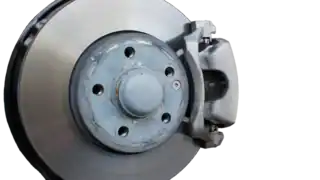
A Volkswagen brake service typically covers inspection of the brake pads, rotors (the discs your pads press against), brake fluid condition, callipers, and brake lines. We check pad thickness against Volkswagen’s specified minimums, measure rotor wear and check for warping, and test brake fluid for moisture contamination. If anything is outside safe limits, we’ll tell you what’s needed and why before any work begins. You won’t get a bill for parts you didn’t agree to.

No. A brake warning light on a Volkswagen should be treated as urgent. It can indicate critically worn pads, low brake fluid, or a fault in the electronic brake system. Driving on worn or compromised brakes significantly increases stopping distance and puts you and other road users at risk. Pull over safely if the pedal feels soft or spongy, and have the car inspected as soon as possible. Don’t wait for a scheduled service if warning lights or symptoms appear.

Volkswagen models, particularly those with DSG transmissions and electronic parking brakes, can develop specific issues. The electronic parking brake actuator on some Golf and Passat models is known to require periodic maintenance or replacement. Brake dust build-up on rear callipers is also more common on VWs than on many other brands, and can cause uneven wear or sticking. Models with performance-tuned suspension and low-profile tyres may wear pads faster than the service interval suggests, so visual checks between services are a good habit.

Under ACCC guidance, Australian consumers generally have the right to have their vehicles serviced by any qualified independent mechanic without voiding the manufacturer’s warranty, provided the service meets the manufacturer’s specifications and is properly documented. This is general information, not legal advice, and your specific warranty terms may vary. We recommend checking your Volkswagen warranty documentation for your model. We keep records of all work carried out, which you can present to a dealer if needed.

A brake inspection on its own is usually completed within 30 to 45 minutes. If pad replacement is needed on one or both axles, most jobs are done in one to two hours. Rotor replacement, calliper work, or brake fluid flushes add to that time. We’ll give you a realistic time estimate once we’ve had a look at the vehicle. For straightforward jobs, we offer while-you-wait servicing at our Gatton workshop so you’re not without your car any longer than necessary.

Squealing is usually caused by brake pad wear indicators, small metal tabs built into the pads that contact the rotor when the pad material gets thin. That high-pitched sound is the pad telling you it’s time. Grinding is more serious and typically means the pad material has worn away entirely, leaving metal grinding on metal. On Volkswagen vehicles, brake dust and glazing can also cause noise even when pad thickness is still acceptable. Either way, a quick inspection will tell you exactly what’s going on.

Volkswagen doesn’t specify a fixed kilometre interval for brake replacement because wear varies significantly based on driving style, load, and conditions. As a general guide, brake pads on most VW models last between 30,000 and 70,000 kilometres. Drivers in stop-start suburban traffic wear pads faster than those doing mostly highway kilometres. We recommend having brake pad thickness checked at every service. If you tow, carry heavy loads, or do a lot of city driving around Gatton and the Lockyer Valley, more frequent checks are sensible.

We can source genuine Volkswagen-specification parts or quality OEM-equivalent parts, depending on your preference and budget. OEM-equivalent parts are manufactured to the same specifications as genuine parts and are commonly used by independent workshops. We’ll let you know what’s available for your specific model and talk through the options before ordering anything. Our goal is to fit parts that perform correctly for your vehicle, not to push whatever has the biggest margin.

Delaying brake pad replacement causes the metal backing plate to contact the rotor directly, scoring and damaging the rotor surface. What started as a pad replacement job becomes a rotor replacement job too, which costs considerably more. Beyond the added expense, braking performance degrades progressively, increasing stopping distances. In wet conditions or emergency situations, that difference matters. Brake repairs are one area where acting early genuinely saves money and keeps the car safer to drive.

Yes. We service Volkswagen brake systems across the full model range, including older Golfs, Polos, Passats, Amaroks, and Transporters, as well as current models. Older VW models can present their own challenges, including seized callipers, corroded brake hardware, and parts availability, but these are manageable for an experienced workshop. If you’ve got an older VW and you’re not sure about its brake condition, bring it in for an inspection. We’ll give you a straight assessment of what it needs.

Continue to site