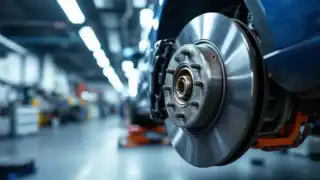
Your Suzuki’s brakes are one of the few things on the vehicle that genuinely can’t wait. A Suzuki brake service covers the full system — pads, rotors, brake fluid, callipers, and brake lines — checked and serviced to keep your car stopping the way it should. Whether you’re driving a Swift around town, a Jimny on unsealed tracks west of Gatton, or an older Vitara that’s been doing country kilometres, brake wear is inevitable and the warning signs are worth knowing.
Warning Signs Your Suzuki’s Brakes Need Attention
Suzuki models vary quite a bit in how their brake systems are set up. The Jimny, for example, runs a solid rear axle and drum brakes at the rear on many configurations, while the Swift and Baleno use disc brakes all around. Knowing which system your vehicle has matters, because the wear patterns and symptoms can differ.
In general, here’s what to watch for:
- Squealing or squeaking when braking, particularly at low speeds – most brake pads include a wear indicator that makes this noise deliberately when the pad material is getting low
- Grinding or metal-on-metal sound when you press the brake pedal – this usually means the pad material is fully worn and the calliper or backing plate is contacting the rotor directly
- A pulsing or vibrating pedal under braking – often a sign that the rotors (the discs the pads clamp onto) have developed uneven wear or warping, which is common on smaller hatchbacks that do a lot of stop-start driving
- The brake pedal sinking lower than usual before the brakes engage – this can point to low brake fluid, a fluid leak, or worn master cylinder seals
- The vehicle pulling to one side when braking – often caused by a calliper that’s seized or a pad wearing unevenly on one side
- Brake warning light on the dash – Suzuki vehicles will flag low brake fluid pressure or ABS faults through the instrument cluster, and these shouldn’t be ignored
If you’re noticing any of these, it’s worth getting the brakes looked at sooner rather than later. Don’t leave it to the next scheduled service if something feels off.
What a Suzuki Brake Service Includes at Gatton Automotive Solutions
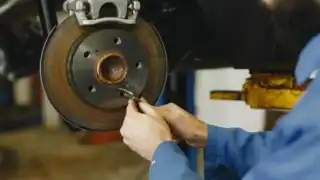
We start with a proper inspection before any work is recommended. That means pulling the wheels and visually assessing the pad thickness, rotor condition, calliper movement, and brake lines. On Suzuki models with rear drums (Jimny variants and some older models), we’ll check the drum and shoe lining thickness, the wheel cylinder for leaks, and the self-adjuster mechanism.
Suzuki’s service schedule generally recommends brake fluid replacement every two years regardless of kilometres, because brake fluid is hygroscopic – it absorbs moisture from the air over time, which lowers its boiling point and can cause fade under hard braking. We check fluid condition and top it up or flush it as needed, using fluid that meets the specification Suzuki recommends for your model.
For pad and rotor replacement, we source parts that meet OEM-equivalent specifications. Suzuki braking systems are engineered to specific tolerances, and fitting parts that don’t match those tolerances can affect pedal feel and stopping performance. We’ll talk you through the options, whether that’s genuine-quality equivalent parts or upgraded pads for vehicles used off-road or towing.
After any brake work, we test the system on the ground before the vehicle leaves. That includes checking pedal firmness, ABS function, and making sure the brakes are balanced side-to-side.
What Affects the Cost and Time for a Suzuki Brake Service?
A few factors shape how involved a brake job ends up being. Pad-only replacements on a Swift or Ignis are typically straightforward. Rotor replacement adds time and parts cost. Seized callipers, corroded brake lines, or a compromised master cylinder take longer and will involve a conversation with you before we proceed.
Older Suzuki models, particularly Jimny and Grand Vitara vehicles that spend time on dirt or gravel roads, sometimes arrive with brake components that have been exposed to more grime and moisture than city-spec vehicles. That can mean more labour to remove corroded hardware and properly prepare the mounting surfaces. We’ll always let you know what we’ve found before doing any additional work.
Parts availability for most current Suzuki models is generally good, and we handle our own parts sourcing so you’re not waiting on a third party to quote and order separately.
Why Have Your Suzuki Brakes Serviced in Gatton?
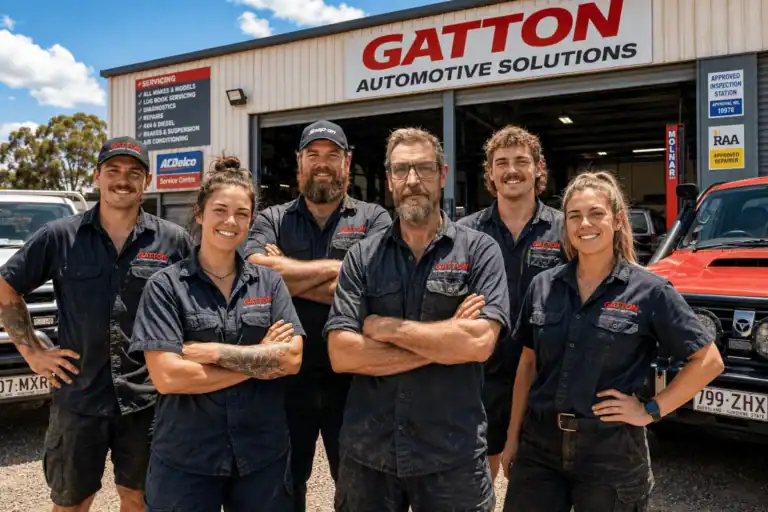
Gatton Automotive Solutions is a fully equipped workshop handling everything from everyday car servicing right through to heavy vehicle mechanical work, smash repairs, suspension upgrades, and tyre fitting. You don’t need to drive to Ipswich or Toowoomba for a quality brake service on your Suzuki – and for safety-critical repairs, that’s a drive you’d rather not be making on questionable brakes anyway.
We give straightforward advice based on what we actually find. If your brakes are fine and don’t need anything done, we’ll tell you that. If something does need attention, we’ll explain what it is and why it matters before any work begins. With five-star reviews behind us, that approach seems to be working.
We also issue roadworthy certificates on-site, which matters if your Suzuki is due for a safety inspection alongside the brake work.
Ready to get your Suzuki’s brakes checked by a local team that knows these vehicles? Book Your Free Inspection online or Call Us Now to speak with our team here in Gatton.