Limited Time: Free Windscreen Wipers With Any Service. Subject To Availability.

Locally Owned & Operated
Honest Upfront Pricing
5★ Reviews
All Makes & Models

Verified 5★ Reviews

Expert Mazda Brake Service In Gatton

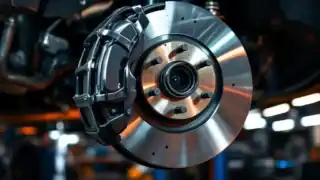
Mazda brake service in Gatton keeps your car stopping safely and reliably. We inspect, diagnose, and repair brakes while you wait — no guesswork, straight advice.

One-Stop Workshop

Honest Advice

5★ Reviews

Mazda Brake Experts

Book Your Free Inspection

Tell us what you need and we'll get back to you with a clear quote.

Booking Form
  • Vehicle Details
  • Confirm Vehicle
  • Services
  • Contact Details
Honest Quotes
All Vehicle Types
Local & Reliable

Why Book With Us

Book Your Free Inspection
Drop Off Your Vehicle
We Get to Work
Collect Your Car

Your Mazda’s brakes are doing serious work every single day. A Mazda brake service isn’t just about swapping worn pads — it’s a thorough check of the entire braking system to make sure your car stops the way it should, every time. For drivers in Gatton and across the Lockyer Valley, where you might cover long stretches of highway between stops or travel dusty rural roads, having brakes you can trust matters. We work on Mazda vehicles regularly, and we know how these systems are put together and what to look for when something’s not right.

Warning Signs Your Mazda’s Brakes Need Attention

Mazda builds solid braking hardware, but brake wear is inevitable regardless of the platform. The signs that something needs looking at are usually clear if you know what to listen and feel for.

  • Squealing or squeaking when you brake — Most Mazda pads use a wear indicator that produces a high-pitched squeal when the pad material gets low. This is deliberate. Don’t ignore it.
  • A grinding noise under braking — This usually means the pads are worn through entirely and metal is contacting metal on the rotor. At this point, your rotors may need machining or replacement, not just the pads.
  • Pulling to one side when braking — This can indicate uneven pad wear, a seized caliper, or a brake hose issue on one side of the axle.
  • A soft or spongy pedal feel — If the pedal travels further than usual before the brakes bite, there may be air in the hydraulic system or a problem with the master cylinder or brake fluid condition.
  • Vibration through the pedal or steering wheel — Rotor runout (warping of the disc) is a common cause and often develops on Mazda3 and CX-5 models after heavy use or repeated hard stops.
  • The brake warning light staying on — While this can be triggered by a low fluid level, it can also indicate a pressure imbalance in the braking circuit that needs proper diagnosis before you drive further.

If you’re noticing any of these signs, the right move is to have the system inspected rather than waiting for the next scheduled service. Brake wear doesn’t progress at a predictable rate — it depends on driving habits, load, and conditions.

What a Mazda Brake Service Includes

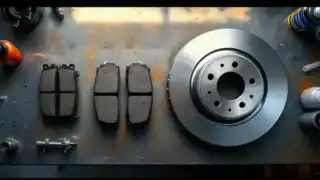
We don’t take a one-size-fits-all approach with Mazda brake work. The inspection starts with a visual check of pad thickness on all four corners, followed by a measurement of rotor thickness and surface condition. Mazda specifies minimum rotor thicknesses for each model, and we work to those figures rather than guessing.

From there we check caliper operation — both the sliding pins and the piston movement — because a sticky caliper causes uneven pad wear and reduced braking performance even when the pads look fine. Brake hoses get checked for swelling, cracking, or collapse, which can restrict fluid flow or cause a spongy pedal. We also check the brake fluid condition; Mazda recommends a brake fluid replacement interval (typically every two years) because moisture absorption degrades fluid performance over time and lowers its boiling point.

For models like the CX-5, CX-9, Mazda3, and BT-50, we factor in the specific brake hardware for that platform. Rear electric parking brakes, which appear on several newer Mazda models, require a specific retraction procedure when servicing the rear calipers. This isn’t something you can skip or shortcut without risking damage to the caliper motor.

Parts and Fluids for Mazda Vehicles

We source parts that meet or exceed OEM specifications for Mazda braking systems. That means using correct compound pads for the model and driving profile, rotors that match the factory dimensions, and brake fluid that meets the grade specified in the Mazda service documentation. Using undersized or incompatible parts on a Mazda is a fast way to end up with noise, vibration, or premature wear — we don’t cut corners there.

What Affects the Cost and Time of Brake Work?

A straightforward front pad replacement on a Mazda3 takes considerably less time than a full four-wheel brake service on a CX-9 with rear electric parking brakes. The honest answer is that cost and time depend on what we find. A full inspection tells us whether you need pads only, pads and rotors, calipers work, fluid replacement, or some combination. We’ll tell you exactly what’s needed before any work starts.

Parts availability in Gatton is generally good for mainstream Mazda models, and we handle our own parts sourcing, so there’s no waiting around for a supplier to quote before we can get started. For older or less common Mazdas, lead times can vary, but we’ll give you a clear picture upfront.

Why Gatton Drivers Bring Their Mazdas to Us

Gatton Automotive Solutions is a full-service workshop handling everything from everyday Mazda car brake services through to trucks, heavy equipment, agricultural machinery, smash repairs, custom paint, and tyre fitting — all under one roof. You don’t need to drive to Ipswich or Toowoomba for brake work when it can be handled here in Gatton by people who know these vehicles.

We’re locally owned and our approach is straightforward: inspect properly, recommend only what’s actually needed, and charge fairly for the work. With five-star reviews behind us, we think that approach speaks for itself. If your Mazda needs a roadworthy certificate after brake repairs, we can issue that on-site as well.

If your Mazda’s brakes need attention, don’t put it off. Call Us Now or Book Your Free Inspection online and we’ll get your car in for a proper look.
Other Services

Whatever your needs we have you covered, see some similar services below or click "See All Services" to explore our full service offering.

Your Local Workshop for Every Vehicle

Gatton Automotive Solutions is the one-stop shop for cars, 4WDs, trucks, and heavy equipment. Honest advice and fair pricing, right here in Gatton.

Honest Pricing, No Surprises

We tell you what’s needed and what it costs before we start. No upselling, no pressure.

Everything Under One Roof

Bring your car in and we’ll inspect it, explain what we find, and quote you upfront.

Mazda-Specific Brake Diagnostics

We know Mazda brake systems inside out and diagnose issues accurately first time.

How Mazda Brake Service Works

From booking your free inspection through to safe brakes and collection, here's the straightforward path we follow.

Step 1

Book Your Free Inspection

Call us now or book your free inspection online to have your Mazda brakes assessed by our team.

Step 2

Brake System Inspection

We measure pad thickness, inspect rotors, test brake fluid, and check Mazda hydraulic components.

Step 3

Precision Brake Repair

We replace pads, machine or replace rotors, and service hydraulic lines using OEM-spec parts and Mazda procedures.

Step 4

Safety Check & Collection

We test your brakes on the road, walk you through the work completed, and return your Mazda ready to drive safely.

Five-Star Rated

Verified 5★ Reviews

Quality Parts From Trusted Suppliers

We use genuine and quality aftermarket parts from reputable suppliers. You get reliable components backed by proper warranties.

Book Your Free Inspection

Tell us what you need and we'll get back to you with a clear quote.

Booking Form
  • Vehicle Details
  • Confirm Vehicle
  • Services
  • Contact Details
Honest Quotes
All Vehicle Types
Local & Reliable

Why Book With Us

Book Your Free Inspection
Drop Off Your Vehicle
We Get to Work
Collect Your Car

Frequently Asked Questions

Browse answers to common questions about our services. Can't find what you're after? Give us a call and we'll help.

A Mazda brake service typically covers an inspection of the brake pads, rotors (the discs your pads clamp against), brake fluid condition, callipers, and brake lines. We measure pad thickness and rotor wear against Mazda’s specifications, check for any fluid contamination or moisture that reduces braking performance, and test the parking brake. If worn parts are found, we’ll explain what needs replacing and why before any work begins. You leave knowing exactly what was done and what condition your brakes are in.

Grinding brakes are a sign that the pads have worn through and metal is contacting the rotor directly. Continuing to drive risks damaging the rotors, reducing stopping distance, and in serious cases, compromising brake function altogether. We’d recommend booking an inspection as soon as possible rather than waiting for a scheduled service. Brake issues don’t improve on their own, and catching them early usually means a simpler, less costly repair.

Brake pad lifespan varies depending on driving habits, vehicle load, and conditions. Around Gatton and the Lockyer Valley, regular towing, farm runs, or stop-start driving on rural roads can wear pads faster than highway commuting. As a general guide, brake pads are often inspected every 15,000 to 20,000 kilometres and replaced somewhere between 30,000 and 70,000 km, though this range is wide. The best approach is to have brake wear checked at every service so you’re not caught off guard.

Some Mazda models, particularly certain CX-5 and Mazda 3 variants, have been known to develop brake vibration caused by rotor heat distortion over time, especially under repeated heavy braking. This shows up as a pulsing or shuddering feeling through the brake pedal. Mazdas fitted with i-ACTIV AWD systems also benefit from a brake fluid condition check more regularly, as moisture absorption in the fluid can affect system response. We factor in model-specific characteristics when assessing your vehicle.

Under ACCC guidance, Australian consumers are generally not required to have their vehicle serviced at a dealership to maintain their manufacturer warranty, provided the work is carried out by a qualified mechanic using appropriate parts and methods. This is general information, not legal advice, and your specific warranty terms are worth checking. We use quality parts that meet or exceed Mazda specifications and document the work carried out, so your service history remains clear and complete.

Uneven pad wear is most commonly caused by a sticking calliper, which is the hydraulic clamp that presses the pad against the rotor. When a calliper piston or slide pin seizes, one pad ends up doing more work than the other. It can also result from a warped rotor or a brake hose with an internal restriction affecting fluid flow. Left unaddressed, uneven wear shortens component life and can cause pulling to one side under braking. We check calliper function as part of every brake inspection.

An inspection takes around 30 to 45 minutes. If pads and rotors need replacing on both axles, most Mazda models can be turned around in two to three hours. We offer while-you-wait servicing for straightforward brake jobs, so you’re not left without a car for the day. If we find additional issues during the inspection, we’ll let you know what’s involved before proceeding so there are no surprises.

We source quality brake components that meet or exceed OEM (original equipment manufacturer) specifications for each Mazda model. Genuine Mazda parts are available on request if you prefer them. For most brake repairs, high-quality aftermarket parts from reputable suppliers perform to the same standard and are often more cost-effective. We’ll explain the options for your specific model and let you make the call. Parts sourcing is handled in-house, so there are no delays chasing stock elsewhere.

The main cost factors are which components need attention and the specific Mazda model involved. A basic pad replacement on a Mazda 2 costs less than replacing pads, rotors, and callipers on a larger CX-9. Whether you opt for genuine or quality aftermarket parts also influences the final price. Labour time varies depending on accessibility of the brake components on your particular model. We provide a clear quote before starting any work, so you know exactly what you’re paying for.

Squealing during normal braking is usually the wear indicator doing its job, telling you pads are getting low. Grinding, pulsing through the pedal, a soft or spongy feel, pulling to one side, or the brake warning light coming on are all signs that warrant prompt attention. If your car is taking longer to stop than it used to, don’t wait until your next scheduled service. Gatton Automotive Solutions can carry out a brake check quickly and advise whether immediate repairs are needed or if you have some time up your sleeve.

Continue to site