Your Lexus is built to a high standard, and the braking system is one area where that standard really shows. Lexus brake repair isn’t just about swapping worn pads — it involves understanding how the system was engineered, what parts are appropriate for the vehicle, and whether the brake booster, callipers, rotors, and fluid are all working together as they should. For Lexus owners in Gatton and across the Lockyer Valley, getting that work done locally means you don’t have to drive to Ipswich or Toowoomba and back just to get a proper brake inspection.
Warning Signs Your Lexus Brakes Need Attention
Lexus vehicles are known for smooth, quiet operation, which actually makes brake problems easier to spot because anything out of the ordinary stands out. Don’t ignore these signs:
- Squealing or squeaking when braking – the wear indicators on your brake pads are designed to make this noise when the pads are getting low. It’s not a minor annoyance; it’s a signal that the pads need replacing soon.
- Grinding or metal-on-metal sound – if you’ve gone past the squealing stage, the pad material may be gone entirely and the calliper bracket could be contacting the rotor directly. This can score the rotor surface and significantly increase repair costs.
- A soft or spongy brake pedal – if the pedal travels further than it used to before the brakes engage, this can point to air in the brake lines, a fluid leak, or a problem with the brake booster. Lexus brake booster repair is sometimes needed when the pedal feels heavy or unresponsive rather than spongy, since the booster provides the vacuum-assisted pressure that reduces how hard you need to press.
- Pulling to one side under braking – this often points to a seized calliper or uneven pad wear, which puts asymmetric force on the vehicle during braking.
- Vibration through the pedal or steering wheel – warped rotors are a common cause, and they can develop over time from repeated heavy braking or heat cycles, especially in vehicles used for towing.
- The brake warning light on your dashboard – Lexus vehicles monitor brake system pressure and pad wear electronically on many models. If this light comes on, the system is telling you something specific, not just being cautious.
How We Approach Lexus Brake Repair
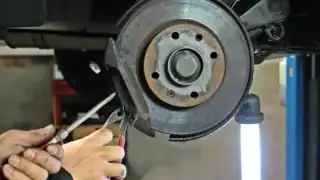
When your Lexus comes in, we don’t just pull the wheels off and start replacing parts. We inspect the whole system first. That means checking pad thickness front and rear, measuring rotor thickness against the manufacturer’s minimum specification, assessing calliper condition and piston movement, inspecting brake lines and hoses for cracking or leaks, and testing brake fluid condition with a moisture content check. Lexus vehicles use brake fluid that absorbs moisture over time, which lowers its boiling point and can cause fade under hard braking. Most manufacturers recommend fluid replacement every two years regardless of how the car looks or drives.
Many Lexus models, particularly the RX and IS series, use electronic parking brake systems that require a scan tool to retract the rear callipers during pad replacement. Without the right equipment, this step is skipped or done incorrectly, which can damage the calliper motor. We carry diagnostic tooling that covers these systems, so we work with your Lexus rather than around it.
Parts: OEM-Spec or Quality Equivalent
Lexus vehicles are engineered with specific friction coefficients and rotor tolerances in mind. Fitting the cheapest available pads from a general parts catalogue can result in increased noise, reduced stopping power, or faster rotor wear. We source parts that meet OEM-equivalent specifications, and for owners who want genuine Lexus parts fitted, we can discuss that as part of the job. The right part for your model matters more than the badge on the box.
What Affects the Cost and Time of Brake Work on a Lexus?
Brake repair costs vary depending on several factors. A straightforward front pad and rotor replacement on a mid-size Lexus sedan is a different job to a full brake overhaul on a Lexus LX or GX with larger rotors, rear electronic parking brakes, and a more complex calliper setup. Parts availability plays a role too – some Lexus components are available locally while others need to be ordered in, which can affect turnaround time. We’ll let you know upfront what’s needed and why, without pushing work that isn’t necessary.
Brake fluid replacement, calliper servicing, and brake booster repair are additional items that may come up during inspection. If we find something you weren’t expecting, we’ll explain it clearly and give you the information you need to make a decision, not just a quote with no context.
Why Lockyer Valley Lexus Owners Choose Gatton Automotive Solutions
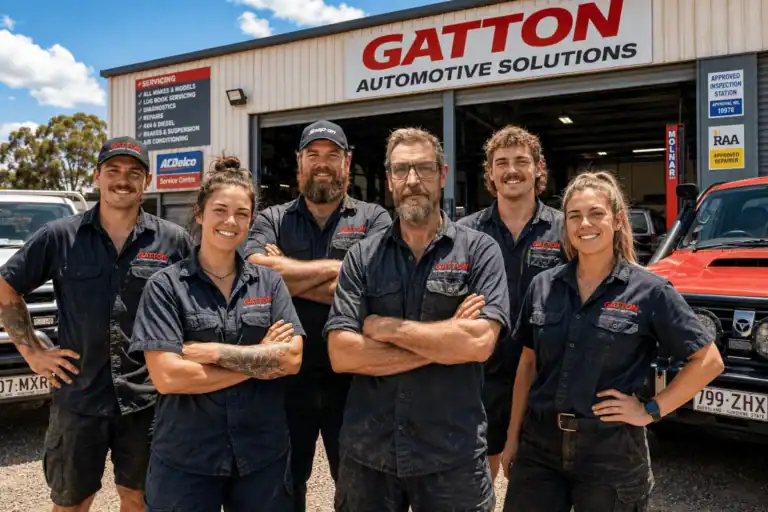
We’re a full-service workshop in Gatton that handles everything from everyday cars and family SUVs through to 4WDs, utes, trucks, and heavy equipment. Lexus car brake repair sits comfortably within our scope – we have the tooling, the parts sourcing capability, and the technical knowledge to do the job properly. We also issue roadworthy certificates on-site, which is useful if your Lexus is coming up for rego and you want brakes and roadworthiness handled in the same visit.
With five-star reviews and a reputation built on straight advice and fair pricing, we’re not in the business of upselling work you don’t need. If your pads are fine and your rotors have plenty of life left, we’ll tell you that too. Gatton drivers shouldn’t have to make a 90-kilometre round trip to get honest brake work done on a quality vehicle.
If your Lexus is showing any of the symptoms above, or you’re simply due for a brake inspection, Call Us Now or Book Your Free Inspection online. Our team at Gatton Automotive Solutions is ready to help.