Volkswagen brake repair is one of those jobs where getting it right the first time genuinely matters. VW vehicles are well-engineered, but their braking systems have specific characteristics that a general approach can miss. At Gatton Automotive Solutions, we work on Volkswagen cars regularly, from the popular Golf and Polo through to Tiguan SUVs and Amarok utes, and we know how these vehicles behave when the brakes start showing wear.
Warning Signs Your Volkswagen Brakes Need Attention
Volkswagen braking systems tend to give you fairly clear signals when something’s wrong, if you know what to listen and feel for. The most common sign is a high-pitched squealing when you apply the brakes. VW brake pads include a wear indicator, a small metal tab that contacts the rotor once the pad material gets low enough to need replacing. That squealing is the system working as designed, telling you not to ignore it.
Beyond the squeal, here are symptoms that should prompt a brake inspection:
- Grinding or metal-on-metal noise when braking, which usually means the pads are worn through entirely and the caliper is contacting the rotor
- A pulsating or vibrating brake pedal, often caused by warped rotors, which is common after repeated heavy braking or from heat cycling
- The steering pulling to one side under braking, which can point to a sticking caliper or uneven pad wear across an axle
- A soft or spongy brake pedal that travels further than normal before the car slows, which may indicate air in the brake lines or a brake fluid issue
- The brake warning light appearing on the instrument cluster, particularly relevant on newer VW models with electronic pad wear sensors
If you’re noticing any of these on your VW around Gatton or the broader Lockyer Valley, it’s worth having the brakes looked at sooner rather than later.
How We Approach Volkswagen Brake Repair
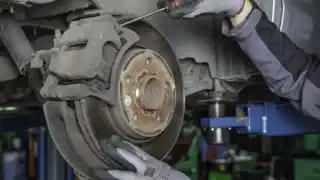
We start with a thorough inspection before recommending any work. On Volkswagen vehicles, that means more than just eyeballing the pads through the wheel spokes. Newer VW models, including many Golfs from MK7 onwards and the Tiguan range, use electronic parking brake systems and sometimes integrated pad wear sensors. These require specific scan tools to read fault codes and to properly retract the rear caliper pistons during a pad change. Trying to wind those pistons back by hand the way you would on an older vehicle will damage the mechanism.
Our inspection covers:
- Brake pad thickness measurement on all four corners
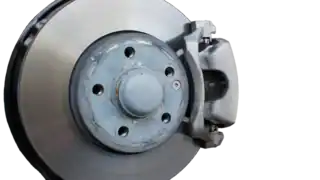
- Rotor thickness measurement and check for scoring, heat cracks, or warping
- Caliper operation and slide pin condition
- Brake hose condition and any signs of weeping at connections
- Brake fluid condition, including moisture content where testable
- Electronic parking brake function and fault codes on applicable VW models
VW recommends brake fluid replacement every two years regardless of distance, as the fluid absorbs moisture over time and this lowers the boiling point. In real driving conditions, that matters. If the fluid boils under load, braking performance drops sharply. We’ll let you know where your fluid is at as part of the inspection.
For parts, we source quality components that meet OEM specifications for Volkswagen vehicles. On most VW applications, using the correct pad compound and rotor type for the vehicle matters. The Amarok, for example, puts significantly different demands on rear brakes than a Polo does, and we factor that in when selecting components.
What Affects the Cost and Time of VW Brake Repair in Gatton?
Brake repair costs vary depending on how much work is actually needed. A straightforward pad replacement on a single axle takes less time and fewer parts than a full four-wheel brake service including rotors, fluid, and caliper work. The presence of an electronic parking brake adds a step to rear brake jobs on certain VW models, which affects time on the hoist.
Parts availability is generally good for popular Volkswagen models, and because we handle parts sourcing in-house, you’re not left waiting days for components to arrive. If we need to order a specific part for your model, we’ll tell you upfront. No surprises.
Why Gatton Drivers Bring Their Volkswagens to Us
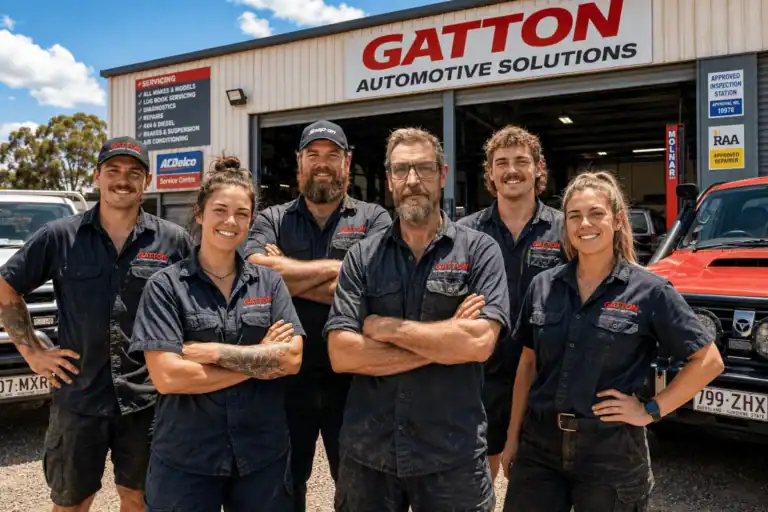
Gatton Automotive Solutions is a full-service workshop covering cars, 4WDs, trucks, and heavy equipment, all under one roof. You don’t need to drive to Ipswich or Toowoomba for quality mechanical work on your VW. We handle everything from a basic pad swap to more involved brake booster repair and hydraulic system work, along with tyre fitting, suspension, roadworthy certificates, and smash repairs in-house. It’s a genuine one-stop workshop for Lockyer Valley drivers.
We have five-star reviews from local customers, and we’ve built that reputation on giving honest advice. If your brakes need work, we’ll tell you exactly what’s needed and why. If they don’t, we’ll tell you that too.
Ready to get your Volkswagen’s brakes sorted? Book Your Free Inspection online or Call Us Now to talk through what you’re noticing. We’re locally based in Gatton and here to help.