Limited Time: Free Windscreen Wipers With Any Service. Subject To Availability.

Locally Owned & Operated
Honest Upfront Pricing
5★ Reviews
All Makes & Models

Verified 5★ Reviews

Highly Rated Mazda Brake Repair In Gatton

Brake repairs for Mazda vehicles in Gatton, carried out to factory standards by experienced local technicians. Get reliable stopping power restored fast. Book Your Free Inspection today.

One-Stop Workshop

Honest Advice

5★ Reviews

Mazda Brake Specialists

Book Your Free Inspection

Tell us what you need and we'll get back to you with a clear quote.

Booking Form
  • Vehicle Details
  • Confirm Vehicle
  • Services
  • Contact Details
Honest Quotes
All Vehicle Types
Local & Reliable

Why Book With Us

Book Your Free Inspection
Drop Off Your Vehicle
We Get to Work
Collect Your Car

Your Mazda’s braking system is one of the few things on the car that genuinely cannot wait. A worn pad or a soft pedal isn’t a minor inconvenience — it’s a safety issue that gets worse the longer it’s left. Mazda brake repair covers everything from replacing worn friction material to diagnosing brake booster faults, fixing brake fluid contamination, and resurfacing or replacing rotors. We handle all of it here in Gatton, so there’s no need to drive to Ipswich or Toowoomba to get your Mazda’s brakes sorted properly.

Warning Signs Your Mazda Brakes Need Attention

Mazda builds reliable braking systems across the range, but like any vehicle, the components wear over time. Some warning signs are obvious. Others are easy to dismiss until the problem gets expensive or dangerous.

  • Squealing or grinding when you brake – squealing usually means the wear indicator on your brake pads is making contact with the rotor. Grinding often means the pad material is gone entirely and metal is contacting metal.
  • A soft or spongy brake pedal – this can indicate air in the brake lines, a failing master cylinder, or deteriorated brake fluid that has absorbed moisture over time.
  • Pulling to one side when braking – a sticking calliper or uneven pad wear across axles can cause the car to veer when you apply the brakes.
  • Vibration or pulsing through the pedal – often caused by warped rotors (also called brake discs), particularly common after hard or prolonged braking on country roads.
  • The brake warning light is on – Mazdas from the CX-5, Mazda3, BT-50 and other models use sensors that trigger this light when pad thickness drops below a safe threshold. Don’t ignore it.
  • Longer stopping distances than usual – if your Mazda feels like it needs more road to come to a stop, something in the system isn’t performing as it should.

If you’re noticing any of these signs, it’s worth getting the car inspected before the problem compounds. Worn rotors, for example, often start as a vibration and end up as a full rotor replacement that could have been avoided with earlier attention.

How We Inspect and Repair Mazda Brakes

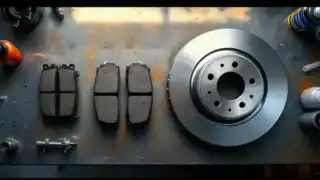
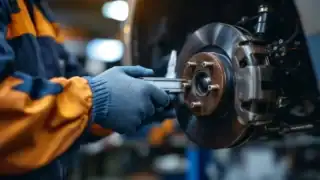
We start every brake job with a proper inspection rather than quoting parts before we’ve looked at the car. For Mazda vehicles, this includes checking pad thickness on all four corners, measuring rotor thickness and surface condition against Mazda’s minimum specifications, testing brake fluid condition (moisture content in the fluid affects braking performance and should be checked at every service), and assessing the callipers, brake hoses, and wheel cylinders for leaks or seizing.

Mazda’s iActiv AWD models, including the CX-5 and CX-9, have rear brake callipers with an integrated electric park brake mechanism. This requires a scan tool to retract the rear pistons before brake work can be done – it’s not something you can do manually with a C-clamp the way you might on an older vehicle. We have the diagnostic equipment to handle this correctly without damaging the electronic park brake actuator.

Mazda’s recommended brake fluid specification is DOT 3 or DOT 4 depending on the model and year. Brake fluid flush intervals are often listed in the logbook schedule, but many owners skip this service. Contaminated fluid lowers the boiling point of the system, which can cause brake fade under heavy use – particularly relevant if you’re doing extended runs on the highway between Gatton and Brisbane.

Where parts are needed, we use quality components that meet or exceed OEM specifications. We’ll discuss the options with you honestly, including the difference between OEM-equivalent and genuine Mazda parts, so you can make an informed call on what suits your budget and how you use the car.

What Affects the Cost and Time for Mazda Brake Repair in Gatton

Brake repair costs vary quite a bit depending on what’s actually needed. A straightforward pad replacement on a front axle is a different job to replacing all four pads, resurfacing both rear rotors, and flushing the brake fluid. The scope of work only becomes clear after a proper inspection.

A few factors that typically influence the total cost and time involved:

  • Whether the rotors need resurfacing or full replacement (rotors that are below minimum thickness cannot be machined and must be replaced)
  • Single axle or all four corners
  • Whether the brake fluid needs replacing as part of the job
  • The specific Mazda model and whether it has an electronic park brake on the rear
  • Parts availability – most Mazda parts are readily stocked or sourced quickly, but some older or less common models may take an extra day

We’ll give you a clear breakdown before any work starts. No surprises on the invoice.

Why Gatton Drivers Bring Their Mazda to Us

Gatton Automotive Solutions is a full-service workshop covering cars, 4WDs, utes, trucks, and heavy equipment – all under one roof. That means if your Mazda needs brake work plus a wheel alignment or a tyre replaced during the same visit, we can handle it without sending you elsewhere.

We’re locally owned and operated in Gatton, and we’ve built a reputation in the Lockyer Valley on straightforward work and honest advice. We don’t recommend parts you don’t need, and we don’t inflate a job to fill time. With five-star reviews from local drivers, that reputation means something to us.

We also issue roadworthy certificates on-site, which is useful if your Mazda’s brake condition has raised a question about whether it’ll pass rego inspection. We can inspect, repair, and certify the vehicle in the same visit.

If you’re ready to get your brakes looked at, Book Your Free Inspection online or Call Us Now. We’re here in Gatton and ready to help.
Other Services

Whatever your needs we have you covered, see some similar services below or click "See All Services" to explore our full service offering.

Your Local Workshop for Every Vehicle

Gatton Automotive Solutions is the one-stop shop for cars, 4WDs, trucks, and heavy equipment. Honest advice and fair pricing, right here in Gatton.

Honest Pricing, No Surprises

We tell you what’s needed and what it costs before we start. No upselling, no pressure.

Everything Under One Roof

Bring your car in and we’ll inspect it, explain what we find, and quote you upfront.

Mazda Brake System Knowledge

Our team knows Mazda brake systems across older models right through to current ones.

How Mazda Brake Repair Works

From booking your free inspection to safe brakes back on the road, here's what to expect at each step.

Step 1

Book Your Free Inspection

Call Us Now or book online to arrange your Mazda brake inspection and get honest advice on what's needed.

Step 2

Brake System Assessment

We inspect pads, rotors, and fluid condition, measure wear and runout, and test Mazda brake systems thoroughly.

Step 3

Precision Brake Repair

We replace worn pads, machine or replace rotors, and flush fluid to meet Mazda's safety specifications.

Step 4

Quality Check and Handover

We road-test your brakes, walk you through the work completed, and confirm your Mazda is safe to drive.

Five-Star Rated

Verified 5★ Reviews

Quality Parts From Trusted Suppliers

We use genuine and quality aftermarket parts from reputable suppliers. You get reliable components backed by proper warranties.

Book Your Free Inspection

Tell us what you need and we'll get back to you with a clear quote.

Booking Form
  • Vehicle Details
  • Confirm Vehicle
  • Services
  • Contact Details
Honest Quotes
All Vehicle Types
Local & Reliable

Why Book With Us

Book Your Free Inspection
Drop Off Your Vehicle
We Get to Work
Collect Your Car

Frequently Asked Questions

Browse answers to common questions about our services. Can't find what you're after? Give us a call and we'll help.

Common signs include a squealing or grinding noise when you brake, a soft or spongy feel in the brake pedal, the car pulling to one side when stopping, or a vibration through the steering wheel under braking. Some Mazdas will also trigger a brake warning light on the dash before the pads wear completely through. If you notice any of these, it is worth getting the brakes inspected promptly rather than waiting to see if the issue gets worse.

It depends on what is causing the noise, but squealing or grinding brakes are never something to ignore. Squealing often means the wear indicators on your brake pads are making contact with the rotor, which is their job: to tell you it is time for new pads. Grinding usually means the pad material is gone and metal is contacting metal, which can damage rotors quickly and reduce stopping power significantly. If the noise is new or getting worse, book an inspection before the situation becomes a more expensive fix.

Several things influence the final price. The main variables are whether you need pads only or pads and rotors together, whether the brake callipers need attention, and which axle or axles are involved. Mazda models vary in brake component sizing across different vehicle lines, so parts costs differ between, say, a Mazda2 and a BT-50. Labour time also factors in if extra work is needed, like freeing seized callipers. We will inspect the brakes first and walk you through exactly what needs doing before any work starts.

We start by removing each wheel to inspect the brake pads, rotors, callipers, and brake lines. We measure pad thickness and rotor depth against manufacturer specifications for your specific Mazda model. If pads are worn or rotors are below minimum thickness or showing deep scoring, we will recommend replacement. Callipers are checked for even movement and fluid leaks. Once work is completed, we bed the brakes in carefully before the vehicle leaves. The whole process is usually same-day for a standard axle service, though more complex jobs may take longer.

Mazda vehicles generally have a solid reputation for brake reliability, but a few patterns are worth knowing. Rear brake pads on some Mazda3 and Mazda6 models can wear faster than expected, particularly in stop-start driving conditions. The electronic parking brake on newer CX-5 and CX-9 models requires specific reset procedures when rear pads are replaced, which not all workshops are set up to handle. We work across all Mazda models and factor in model-specific requirements as part of every brake service.

Under ACCC guidance, Australian consumer law generally allows you to have your vehicle serviced and repaired by a qualified independent mechanic without voiding the manufacturer warranty, provided the work meets the manufacturer’s specifications. This is general information, not legal advice, and it is always worth reviewing your specific warranty terms or checking with your manufacturer if you are unsure. Many Mazda owners in Gatton choose to have their brake work completed with us rather than travelling further afield, and we keep full service records for your vehicle history.

A standard brake pad and rotor replacement on a single axle is usually completed within a couple of hours, so same-day turnaround is common for most jobs. More involved work, such as calliper replacement or brake booster repair, will take longer. When you Book Your Free Inspection, our team can give you a more accurate time estimate based on the specific repairs your Mazda needs.

As a general guide, having your brake pads inspected every 10,000 to 15,000 kilometres is a sensible habit, though actual wear depends on your driving style, vehicle load, and road conditions. City and regional driving with frequent stopping tends to wear pads faster than steady highway travel. Many workshops check brake condition as part of a routine service, so if you are keeping up with your Mazda’s service schedule, your brakes are likely being monitored already.

The brake booster is a component that multiplies the force you apply to the brake pedal, making braking easier and more responsive. If yours is failing, you may notice the pedal feels unusually stiff or hard to press, or that you need to push much harder than normal to achieve the same stopping force. Mazda brake booster repair is something we handle at Gatton Automotive Solutions, and an inspection will confirm whether the booster or another component is the source of the problem.

We use quality parts that meet or exceed Mazda manufacturer specifications. Depending on your preference and budget, we can discuss options including OEM-equivalent aftermarket parts, which are manufactured to the same standards as genuine parts and are suitable for maintaining your warranty under ACCC guidance. We will always explain what parts are being used and why before we proceed, so there are no surprises.

Yes, absolutely. You are welcome to Book Your Free Inspection and we will assess the condition of your brakes and explain what we find. There is no obligation to proceed with repairs on the spot. We will give you a clear breakdown of what needs attention now, what can wait, and what looks fine, so you can make an informed decision at your own pace.

Brake pad replacement involves removing worn pads and fitting new ones, sometimes with a light clean of the calliper hardware. A full brake service goes further and includes measuring rotor thickness and checking for scoring or warping, inspecting callipers for leaks or seizure, checking brake fluid condition and level, and assessing brake lines. For older vehicles or those with higher kilometres, a full service gives a more complete picture of brake system health and can catch issues that pad replacement alone would miss.

Continue to site