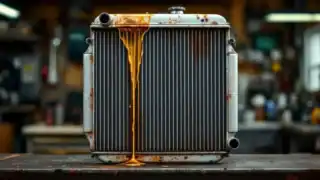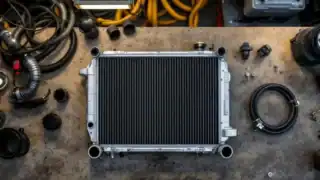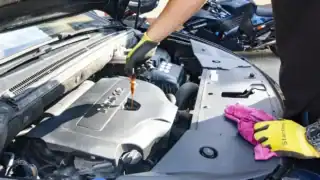
A Suzuki cooling system flush is one of those services that doesn’t announce itself loudly until something goes wrong. The coolant circulating through your Suzuki’s engine does more than prevent overheating — it carries away heat from critical components, protects against corrosion, and keeps the system running within the tight temperature range Suzuki engines are designed for. Over time, that coolant degrades. Inhibitors break down, the fluid becomes acidic, and the protection your engine relies on quietly disappears. For Suzuki owners in Gatton and across the Lockyer Valley, staying on top of coolant health is a straightforward way to avoid far more costly repairs down the track.
Signs Your Suzuki’s Cooling System Needs Attention
Cooling system problems often develop gradually, which makes them easy to miss during routine driving. The most obvious warning is the temperature gauge creeping higher than normal or touching the red zone. But there are subtler signs worth knowing.
- Coolant that looks rusty, brown, or milky rather than the clean green, blue, or orange colour it started as
- A sweet smell inside the cabin or near the engine bay, which can indicate a coolant leak
- White residue or crusty deposits around hoses, the radiator cap, or coolant reservoir
- The heater blowing cooler than expected, which can point to low coolant or a partially blocked heater core
- Frequent top-ups needed to keep the coolant reservoir at the right level
Suzuki models including the Swift, Vitara, Jimny, S-Cross, and Grand Vitara all share a common vulnerability in this regard: the factory coolant has a finite service life, and once it has degraded, it can accelerate corrosion inside the aluminium components Suzuki uses extensively in its engines and radiators. Catching this early matters.
What Does a Suzuki Coolant Flush Actually Involve?
The process goes well beyond draining the old fluid and pouring in new. Our team starts with a visual inspection of the entire cooling circuit — hoses, clamps, the radiator, thermostat housing, water pump, and overflow reservoir. We check for soft spots or swelling in hoses, signs of weeping at fittings, and any external residue that points to a slow leak. On Suzuki engines, we pay particular attention to the water pump, which is a known wear item across several models and can begin seeping before the pump fully fails.
Once the inspection is complete, we flush the system to remove degraded coolant, built-up scale, and any contamination. A system flush — rather than a simple drain and refill — pushes fresh fluid through the entire circuit, dislodging deposits that a basic drain would leave behind. We then refill using coolant that meets Suzuki’s fluid specification. This matters because Suzuki specifies a long-life coolant in many of its newer models, and using the wrong type can cause premature corrosion in the aluminium radiator and engine block components. We source parts and fluids appropriate to your specific model and year.
Suzuki-Specific Details We Check
Suzuki’s K-series engines found in the Swift and Ignis are compact and rev freely, but they run warm and are sensitive to cooling system health. The Jimny’s small-displacement engine also runs at higher sustained loads off-road, making coolant condition particularly important for owners who use their vehicles on rural properties or Lockyer Valley back roads. If your Suzuki has a timing belt-driven water pump — as found in some older Grand Vitara models — we will flag its condition during the inspection, since a failing pump on those engines can cause additional complications at timing belt replacement time.
What Affects the Cost and Time for This Service?
A few variables influence how long the job takes and what it involves. The age and condition of the system matter most. A Suzuki with a well-maintained cooling system and clean hoses will need a straightforward flush and refill. A system with corroded components, ageing hoses, or a weeping water pump will need additional work before the new coolant goes in — there is no point flushing a system that has an active problem.
Parts availability is rarely an issue for Suzuki models. We handle parts sourcing directly, so you won’t be waiting on a supplier to find basic cooling system components. Fluid type also affects cost slightly, as long-life or OEM-equivalent coolant for newer Suzuki models costs more than generic alternatives, but it is the right choice for protecting your engine long-term. We will give you a clear picture of what is needed before any work begins — no surprises.
Keeping Your Suzuki on the Road in Gatton
Gatton Automotive Solutions services all vehicle types — cars, 4WDs, utes, trucks, and heavy equipment — so whatever you drive, you are not travelling to Ipswich or Toowoomba for work that can be done right here. With five-star reviews from drivers in Gatton and across the Lockyer Valley, our reputation is built on straightforward advice and doing the job properly the first time. No upselling, no unnecessary work recommended. If your cooling system only needs a flush, that is what we will tell you.
We also handle roadworthy certificates, suspension work, tyre fitting, smash repairs, and parts sourcing in-house, which means if the inspection turns up something else that needs attention, it can often be handled in the same visit rather than requiring a second trip.
If your Suzuki’s temperature gauge is running warm, the coolant looks off, or you are simply due for a flush based on your service schedule, Call Us Now or Book Your Free Inspection online. We are right here in Gatton, ready to help.