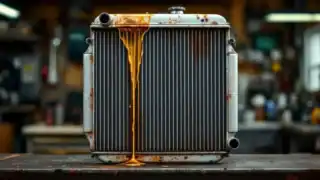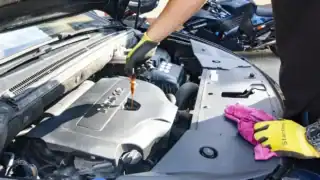
A failing radiator can turn a straightforward drive into a roadside breakdown, and for Suzuki owners in Gatton, that’s the last thing anyone needs. Suzuki radiator replacement is one of those jobs that becomes urgent quickly once the cooling system starts struggling. The radiator’s job is to pull heat out of the coolant that circulates through your engine. When it can’t do that properly, temperatures climb, and engines don’t forgive overheating. Whether you drive a Suzuki Swift, Vitara, Jimny, S-Cross, or Carry, understanding when your radiator is failing, and what’s involved in replacing it, makes the decision a lot easier.
Signs Your Suzuki Radiator Needs Attention
Suzuki vehicles, especially the lighter models like the Swift and Baleno, run tight engine bays with smaller-capacity cooling systems. That means there’s less buffer when something goes wrong. A small coolant leak or partial blockage that might go unnoticed in a larger vehicle can push a Suzuki engine toward overheating faster than you’d expect.
Here’s what to watch for:
- Temperature gauge climbing higher than normal, especially in traffic or on a warm day
- Coolant pooling under the vehicle after parking, often a pinkish or greenish tinge depending on the fluid used
- White residue or staining around the radiator body, hose connections, or cap
- Low coolant warning light appearing repeatedly even after topping up
- Visible cracks, corrosion, or damaged fins on the radiator core
- A sweet smell from the engine bay, which can indicate coolant burning off on hot surfaces
- Coolant mixing with engine oil, which causes a milky, frothy appearance on the dipstick or oil cap
Some Suzuki models, particularly older Jimnys and the SJ-series, are known for developing small radiator leaks from the plastic end tanks as they age. These tanks are crimped onto the aluminium core, and over time the seals deteriorate. This isn’t unique to Suzuki, but it’s a pattern worth knowing about when buying or maintaining an older model.
What the Replacement Process Looks Like
Radiator replacement on a Suzuki isn’t just a swap-and-go job done properly. Before we touch anything, we want to know whether the radiator is the actual problem or a symptom of something else. A pressure test on the cooling system tells us quickly where coolant is escaping. We also check the thermostat, coolant hoses, and the overflow reservoir, because replacing a radiator while leaving a cracked hose in place is a waste of everyone’s time and money.
Once we’ve confirmed the radiator is the source of the issue, we drain the cooling system completely, remove the radiator, and inspect the surrounding components while we have access. For automatic transmission Suzukis, the radiator often incorporates a transmission oil cooler built into one of the end tanks. When replacing the radiator on these vehicles, we make sure the cooler lines are properly reconnected and tested, because a leak there puts both your engine and transmission at risk.
We source radiators to OEM specification or genuine-equivalent quality for Suzuki vehicles, which means the correct fitment, correct coolant flow capacity, and compatible fittings for your specific model. After fitting the new radiator, we refill with the appropriate coolant type, bleed any air from the system, and run the engine to operating temperature to verify there are no leaks and that the temperature gauge is sitting where it should.
What Affects the Cost and Time Involved
A few variables will influence what your Suzuki radiator replacement costs and how long it takes. Parts availability is one factor. Suzuki has had strong sales across Australia for decades, so radiators for popular models like the Swift and Vitara are generally well-stocked. Older models or less common variants may require sourcing, which can add a day or two to the job. We handle parts sourcing in-house, so you’re not left chasing parts yourself.
The choice between OEM, genuine-equivalent, and budget aftermarket radiators also affects price. We’ll walk you through the options honestly. A cheap radiator that fails in 18 months isn’t saving you money. That said, you don’t always need to pay dealership prices for a quality part.
Accessibility varies by model too. A Suzuki Carry or older Jimny has a fairly straightforward engine bay. Some of the newer crossover models have more components to work around. If additional issues are found during the job, such as a failing thermostat or cracked hoses, those will be discussed with you before we proceed.
Why Gatton Drivers Bring Their Suzukis to Us
Gatton Automotive Solutions is a full-service workshop handling everything from everyday car servicing through to 4WDs, light trucks, and heavy equipment. For Suzuki owners across Gatton and the Lockyer Valley, that means you’re not sending your car to a workshop that will only touch it if the job is simple. We take on the full range of work, and we source our own parts, which keeps the process straightforward and avoids delays.
With five-star reviews backing our work locally, we’ve built a reputation for straight advice and fair pricing. There’s no upselling, no unnecessary work recommended. If the radiator needs replacing, we’ll tell you why. If something else is causing your cooling problem, we’ll tell you that instead.
There’s no need to drive to Ipswich or Toowoomba for a quality radiator job. Call Us Now or Book Your Free Inspection online, and we’ll get your Suzuki’s cooling system sorted right here in Gatton.