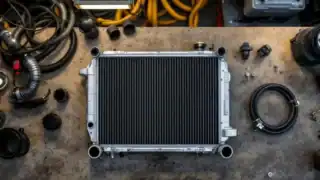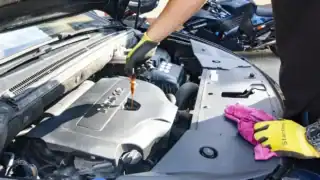
A Suzuki radiator repair isn’t something most drivers think about until the temperature gauge starts climbing or they spot a puddle of coolant under the car. The radiator is the heart of your Suzuki’s cooling system, and when it develops a leak or loses efficiency, your engine is working harder than it should. At Gatton Automotive Solutions, we see cooling system issues across the full Suzuki range, from Swift hatchbacks and Jimny 4WDs to Vitara SUVs and older SX4s, and getting the diagnosis right first is what stops a minor repair from turning into a much bigger job.
Signs Your Suzuki Radiator Needs Attention
Coolant leaks don’t always announce themselves loudly. Sometimes you’ll notice a sweet smell from the engine bay, or find a small pool of green, orange, or pink fluid on the ground after the car has been parked. Other times the first sign is the temperature needle nudging further right than usual, especially in stop-and-go traffic or while towing.
Some of the more common indicators that something isn’t right with your Suzuki’s cooling system include:
- Rising temperature gauge during normal driving or while idling
- Visible coolant pooling under the car after parking
- Low coolant warning light illuminating on the dashboard
- White or sweet-smelling steam from the engine bay
- Coolant level dropping repeatedly without an obvious external leak
- Discolouration or rust visible around radiator fins or hose connections
Suzuki’s smaller four-cylinder engines, particularly in models like the Swift and Baleno, run tight cooling tolerances. That means even a slow radiator leak left unaddressed can push coolant levels just low enough to cause heat stress on the head gasket over time. It’s worth getting it looked at before that point.
How We Diagnose and Repair Suzuki Radiator Problems
We start with a proper pressure test of the cooling system. This involves fitting a test cap to the radiator or overflow reservoir and pressurising the system to the spec listed for your Suzuki model. If the pressure drops, we track down where it’s escaping, whether that’s from a cracked radiator tank, a pinhole in the core, a failing hose connection, or a weeping coolant reservoir.
For Suzuki vehicles, we also check the condition of the coolant itself. Suzuki specifies a particular coolant type, typically a blue or green ethylene glycol mix, though some newer models call for a long-life coolant. Using the wrong mix or letting it degrade can cause internal corrosion that damages the radiator from the inside out. If the coolant looks rusty or has debris in it, a full flush is part of the repair process rather than an optional extra.
Depending on what the inspection finds, the repair might involve:
- Pressure-testing and pinpointing the exact leak source
- Repairing minor damage where appropriate
- Full radiator replacement with an OEM-spec or quality equivalent unit
- Replacing damaged or brittle hoses and clamps
- Draining and refilling with the correct Suzuki-approved coolant type
- Checking the thermostat and radiator cap function while the system is open
- A post-repair test drive to confirm stable operating temperature
Suzuki Jimny owners in particular should know that the Jimny’s cooling system is relatively compact given the 1.5-litre engine and off-road-oriented use. Mud and debris can pack into the radiator fins after track driving, restricting airflow and reducing cooling capacity even without a physical leak. We inspect the fins for blockage as part of any Jimny cooling system check.
What Affects the Cost and Time Involved in a Suzuki Radiator Repair in Gatton
Several factors shape how straightforward or involved a radiator job will be. The main variables are the severity of the damage, whether the radiator can be repaired or needs full replacement, and parts availability for your specific Suzuki model and year.
OEM Suzuki radiators and quality aftermarket equivalents are generally well-supported for popular models like the Swift, Vitara, and Jimny. We handle all parts sourcing in-house, which means you don’t need to spend time chasing parts yourself or waiting on orders you’ve placed separately. Older or less common Suzuki models may need a short lead time for parts, and we’ll let you know upfront if that’s the case.
Labour time varies depending on how accessible the radiator is in your particular model. Some Suzuki vehicles require partial removal of the front end to reach the radiator properly, while others are more straightforward. We give you an honest assessment before any work begins so there are no surprises at pickup.
Why Gatton Drivers Choose Us for Suzuki Cooling System Work
We’re a full-service workshop here in Gatton, which means your Suzuki doesn’t need to travel to Ipswich or Toowoomba for a quality radiator repair service. We work on everything from small hatchbacks and family SUVs through to trucks and heavy equipment, so Suzuki vehicles of all types and ages are well within our scope. Gatton Automotive Solutions also handles roadworthy certificates, smash repairs, suspension upgrades, tyre fitting, and agricultural equipment, all under the one roof.
Our customers consistently rate us on honest advice and straight pricing, with no work carried out that hasn’t been explained and agreed on first. We’ve built a reputation in the Lockyer Valley on doing the job properly the first time, and cooling system repairs are no different. With five-star reviews from local drivers, we’re proud of what that reflects about how we work.
If you’re seeing any of the warning signs above, or just want a cooling system check before the warmer months arrive, Call Us Now or Book Your Free Inspection online. We’re right here in Gatton, ready to help.