A leaking or failing radiator is one of those problems that can turn a routine drive into a breakdown on the side of the road. Toyota radiator repair is something we handle regularly at Gatton Automotive Solutions, covering everything from small coolant leaks to full radiator replacements across the Toyota range. Toyotas are known for their reliability, but the cooling system is not immune to wear, and catching a problem early is the difference between a straightforward repair and an expensive engine bill.
Warning Signs Your Toyota’s Radiator Needs Attention
The cooling system works hard every time you drive, and the radiator sits at the centre of it. When something goes wrong, the signs are usually there before things get serious. The trick is knowing what to look for.
- Temperature gauge rising higher than normal or creeping into the red zone, especially in stop-start traffic or on longer runs between Gatton and Ipswich
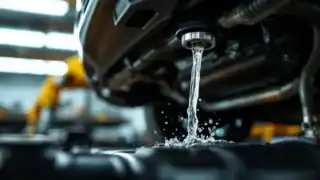
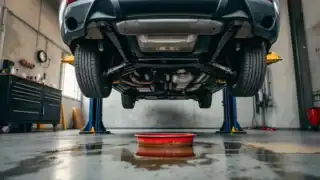
- Coolant puddles under the vehicle after parking, often green, orange, or pink in colour depending on the fluid type
- A sweet or slightly chemical smell coming from the engine bay or through the vents
- Low coolant warning appearing on the dash, or needing to top up the reservoir more frequently than usual
- Steam rising from under the bonnet, which is a sign the engine is already running too hot and needs immediate attention
- Visible staining or residue around the radiator, hoses, or overflow tank, which often indicates a slow leak that has been building up over time
Some Toyota models have known tendencies with their cooling systems worth being aware of. Older HiLux and LandCruiser vehicles can develop radiator seam leaks as the plastic end tanks age and become brittle, especially when subject to the temperature swings common across the Lockyer Valley. The Camry and Corolla are generally well-behaved, but plastic top-tank failures are not unheard of on higher-kilometre examples. If you drive a Prado, Fortuner, or HiLux with an automatic transmission, many of these models use a combined radiator with a transmission oil cooler built in. A failure in this type of unit can result in transmission fluid mixing with coolant, which is a more complex repair that needs to be caught early.
How We Diagnose and Repair Toyota Radiator Problems
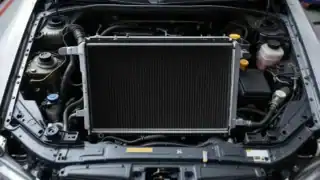
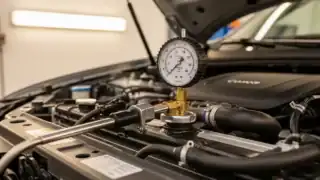
We start with a proper inspection before recommending anything. That means checking coolant levels and condition, pressure-testing the cooling system to locate any leak points that might not be obvious to the eye, and examining the radiator core, end tanks, inlet and outlet hoses, the radiator cap, and the overflow reservoir. On Toyota models with an automatic gearbox and integrated transmission cooler, we also check for any signs of fluid contamination in the coolant.
Toyota specifies a particular coolant type for most models, typically a long-life coolant that meets their Super Long Life Coolant (SLLC) standard. Using the wrong coolant type, or mixing incompatible types, can cause corrosion inside the cooling system over time. When we replace or service the radiator on your Toyota, we make sure the coolant used meets the correct specification for your vehicle rather than a generic one-size-fits-all product.
If the radiator itself needs replacing, we discuss your options honestly. Genuine Toyota units or OEM-equivalent parts are available, and we will help you understand the differences in terms of quality, fitment, and cost before any work begins. Where a repair is viable rather than a full replacement, we will tell you that too. No upselling, no unnecessary work.
What Affects the Cost and Time Involved in a Radiator Repair
A straightforward radiator flush or minor hose replacement is a relatively quick job. A full radiator replacement on a larger Toyota, like a 200 Series LandCruiser or a diesel HiLux, takes longer and involves more parts. The main variables that affect how long the job takes and what it costs include:
- Whether the radiator can be repaired or needs full replacement
- The specific Toyota model and engine configuration
- Whether the vehicle has an automatic transmission with a combined cooler radiator, which adds complexity
- Parts availability, particularly for less common or older Toyota models
- The condition of associated components like hoses, the thermostat, and the radiator cap, which are often worth addressing at the same time
We handle parts sourcing directly, so you are not left chasing down components from multiple suppliers. For most Toyota models, parts are readily available and jobs can be turned around without unnecessary delays.
Why Gatton Drivers Bring Their Toyotas to Us
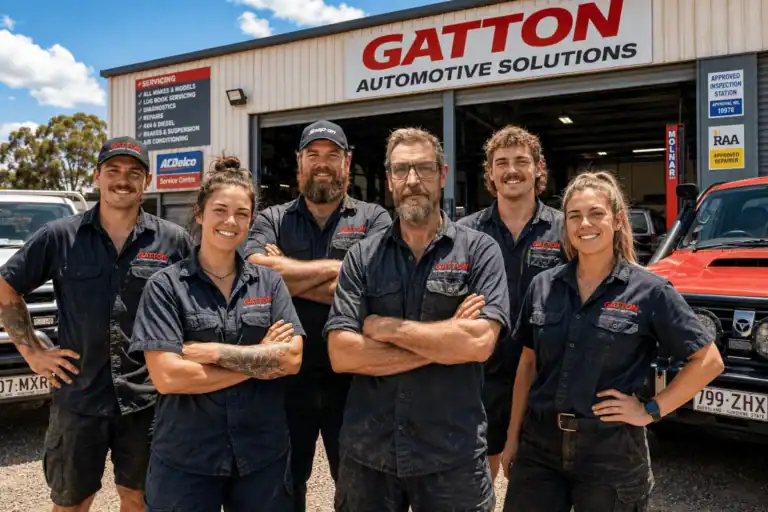
Gatton Automotive Solutions is a full-service workshop, which means we are not limited to one type of vehicle or one category of work. We see everything from everyday Corollas to working HiLuxes, Prados used for towing, and LandCruisers doing serious kilometres on rural properties around the Lockyer Valley. That breadth of experience with the Toyota range means we are familiar with the quirks and common wear points across different models and build years.
There is no need to head to Toowoomba or Ipswich for cooling system work on your Toyota. We issue roadworthy certificates on-site, handle fleet and commercial vehicles, and can take care of everything from the radiator repair through to any associated mechanical work in one visit. Our five-star reviews reflect the way we work: straight with people, fair on price, and focused on getting the job done properly.
If your Toyota is running warm, losing coolant, or you have spotted something under the bonnet that does not look right, Call Us Now or Book Your Free Inspection online. We are right here in Gatton and ready to help.