A radiator does one job: keep your engine at a safe operating temperature by circulating coolant through the system and releasing heat through the front of the vehicle. When it fails, engine temperatures climb fast. Toyota radiator replacement is one of those jobs where acting early makes a real difference to your repair bill and the long-term health of your engine. At Gatton Automotive Solutions, we see cooling system failures across the full range of Toyota vehicles, from everyday Corollas and RAV4s to HiLuxes and LandCruisers used hard across the Lockyer Valley.
Signs Your Toyota Radiator Needs Attention
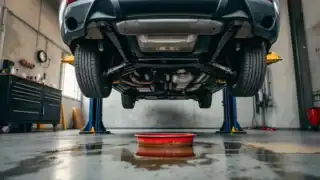
Coolant leaks are the most obvious warning. You might notice a puddle of green, orange, or pink fluid under the front of your car after parking, or spot the coolant reservoir dropping between services. But not all radiator problems announce themselves so clearly.
Keep an eye out for these signs:
- Temperature gauge rising higher than normal, especially in slow traffic or when towing
- Coolant warning light appearing on the dashboard
- Steam or a sweet smell coming from under the bonnet
- Visible cracking, corrosion, or discolouration on the radiator core or tanks
- Coolant that looks rusty or contaminated rather than a clean, bright colour
- Heater performing poorly inside the cabin, which can indicate low coolant flow through the system
Toyota’s plastic-tanked aluminium radiators, which are fitted to most models from the 1990s onward, are generally reliable. Over time though, the plastic end tanks can become brittle and crack, particularly in vehicles exposed to the heat and dust conditions common across the Lockyer Valley. The seam where the plastic tank meets the aluminium core is a common failure point, and once it starts seeping it rarely stops on its own.
How We Approach Toyota Radiator Replacement
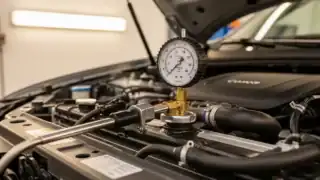
Before we pull anything apart, we run a proper pressure test on the cooling system. This confirms whether the radiator itself is the source of the leak, or whether the problem lies elsewhere, such as a hose, water pump, or head gasket. Jumping straight to a replacement without this step can mean missing the actual fault.
For Toyota-specific diagnostics, we pay attention to a few things that matter for these vehicles. The engine coolant temperature sensor and the thermostat are checked as part of the cooling system assessment, because a thermostat that’s stuck closed can cause overheating symptoms that look exactly like a failing radiator. On HiLux and LandCruiser models with an automatic transmission, we also inspect the transmission oil cooler lines that pass through the radiator, as a failure here can contaminate both the coolant and the transmission fluid simultaneously.
When a replacement is needed, we source parts that meet Toyota’s specifications. OEM-equivalent radiators that match the original flow rates and tank dimensions are what we use, not undersized aftermarket units that fall short of the original cooling capacity. For Prado and LandCruiser owners especially, the right radiator matters, as these vehicles are often used for towing or off-road work that puts real demand on the cooling system.
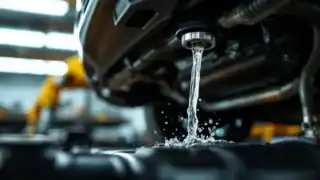
The job itself involves draining the existing coolant, removing the old radiator, fitting and seating the replacement correctly, reconnecting all hoses and cooler lines, and refilling with the correct Toyota-spec coolant. We bleed the system to remove air pockets, then run the engine up to temperature to confirm everything is operating as it should before the vehicle leaves.
What Affects the Cost and Time for This Job?
A few variables come into play. The model matters significantly. A Corolla or Camry radiator is a straightforward job with widely available parts. A 200 Series LandCruiser or a HiLux with a diesel engine involves a more complex cooling system, more pipework, and a radiator that costs more to source. Access within the engine bay also differs across model lines.
Parts choice is another factor. OEM or genuine-equivalent parts carry a higher upfront cost than the cheapest available alternatives, but they fit correctly and hold up. On vehicles that are used hard or carry significant value, cutting corners here rarely pays off.
If the cooling system has been run low or overheated, we may also find additional work is warranted, such as hose replacement, thermostat housing repair, or flushing a contaminated system. We will always tell you what we find before any additional work is carried out.
Servicing Toyota Vehicles in Gatton and Across the Lockyer Valley
Gatton Automotive Solutions is a full-service workshop that handles everything from everyday passenger cars through to 4WDs, light commercials, trucks, and heavy equipment. Toyota vehicles are among the most common on local roads, and we know these models well across their generations. Whether you’re running a single family HiLux or managing a mixed fleet of Toyotas across a property or business, we can handle the work without you needing to make the trip to Ipswich or Toowoomba.
Our five-star reviews reflect the kind of straight, honest service we aim to deliver every time. We won’t recommend work that isn’t needed, and we’ll always explain what we’ve found and what the options are before we start. Alongside cooling system work, the workshop also offers roadworthy certificates, tyre supply and fitting, suspension upgrades, smash repairs, and parts sourcing, all under one roof in Gatton.
If your Toyota is running hot, leaking coolant, or you’d just like the system checked before a long trip or the warmer months, Book Your Free Inspection online or Call Us Now. Our team is ready to help you get back on the road with confidence.