A failing radiator can bring a Volkswagen to a standstill fast. The radiator is the core of your engine’s cooling system, responsible for dispersing heat that builds up during normal driving. When it cracks, leaks, or becomes too blocked to do its job, coolant can’t circulate properly and engine temperatures climb to dangerous levels. Volkswagen radiator replacement is one of those jobs where acting early makes a real difference, and for drivers in Gatton and across the Lockyer Valley, getting it handled locally means you’re not facing a 45-minute drive to Ipswich or Toowoomba for a repair that can be done right here.
Signs Your Volkswagen Radiator May Need Replacing
Not every cooling problem points straight to the radiator, but there are some clear signs that the radiator itself has failed or is close to it. Catching these early can prevent far more serious engine damage.
- Coolant puddles under the car after parking, often a bright green, pink, or yellow colour depending on the fluid used
- The temperature gauge climbing higher than normal, especially in stop-start traffic or on warmer days
- Low coolant warnings appearing repeatedly even after topping up, suggesting a slow leak rather than evaporation
- Visible damage to the radiator, including bent fins, corrosion, or physical cracks in the plastic end tanks that are common on older Volkswagen models
- Discoloured or oily coolant, which can indicate contamination from a failing head gasket, but can also suggest internal radiator breakdown
- Steam from under the bonnet, which points to coolant escaping and contacting hot engine components
Volkswagens, particularly older Golf, Passat, and Transporter models, are known for plastic end tank degradation over time. The plastic components that seal the ends of the aluminium core become brittle with age and heat cycling, eventually cracking or weeping coolant. This is a model-aware detail worth checking during any cooling system inspection on a VW with significant kilometres on it.
What Volkswagen Radiator Replacement Involves at Our Workshop
We start with a proper assessment before any parts are ordered. A visual inspection of the radiator and surrounding hoses is the first step, but we also carry out a pressure test on the cooling system to confirm where the leak is originating. It’s not uncommon for a hose, thermostat housing, or coolant reservoir to be the actual source of a slow weep rather than the radiator core itself. We won’t replace the radiator if that’s not where the problem sits.
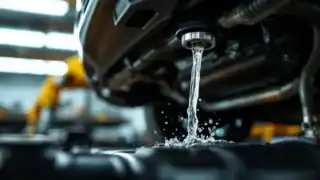
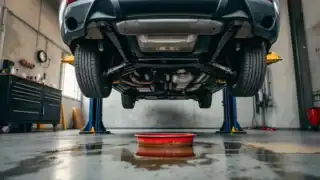
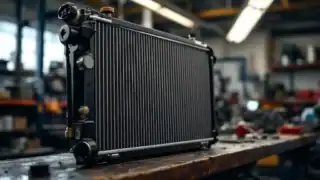
When the radiator does need replacing, we drain and dispose of the old coolant correctly, remove the radiator assembly along with any associated brackets, cooling fans, and shrouds, and inspect the condition of the upper and lower radiator hoses while we have access. Replacing worn hoses at the same time is something we’ll recommend honestly if they’re due, but we won’t push unnecessary work on you.
Volkswagen cooling systems are specific about the type of coolant used. Most VW models require a specific G-type coolant standard, with G12, G13, or G12+ being the relevant specifications depending on the model and year. Using the wrong coolant type can cause corrosion or incompatibility with aluminium components in the cooling circuit. We source parts and fluids that meet the correct specification for your specific VW, whether that’s an OEM-equivalent radiator or a quality aftermarket unit suited to your model.
Cooling System Check After Installation
Once the new radiator is fitted and hoses are reconnected, we bleed the cooling system to remove any air pockets, refill with the correct coolant at the right concentration, and run the engine up to operating temperature while monitoring for leaks and confirming the thermostat is opening correctly. The temperature gauge behaviour tells us a lot about whether the system is functioning as it should before the car goes back on the road.
What Affects the Cost and Time for Radiator Replacement?
A few factors influence how long the job takes and what it costs. Accessibility varies significantly between Volkswagen models. On a Golf or Polo, radiator removal is relatively straightforward. On some Transporter configurations or all-wheel-drive Passat models, there’s more to dismantle to get to the radiator, which adds time to the job. Parts availability is another variable; common VW models usually have good stock availability locally, while older or less common variants may require a short lead time to source the right unit.
Whether you go with an OEM-specification radiator or a quality aftermarket alternative also affects the price. We’ll explain the options for your specific vehicle and give you honest information so you can make the call that suits your budget and how long you plan to keep the car.
Locally Owned, Fully Equipped, Right Here in Gatton
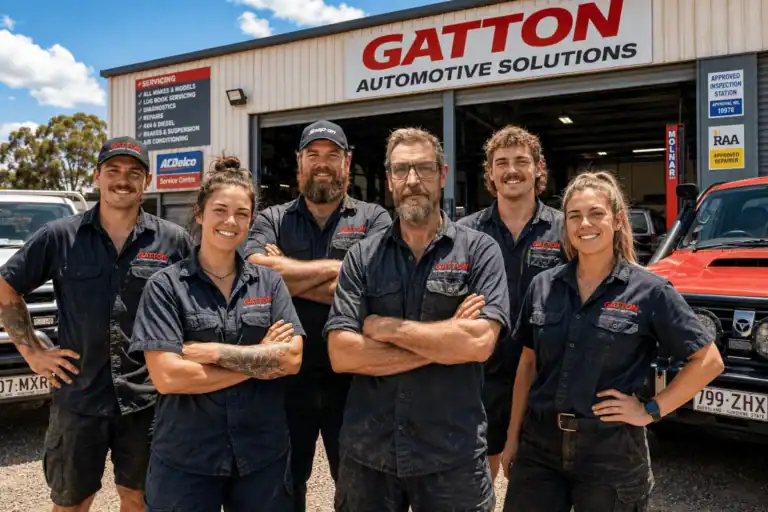
Gatton Automotive Solutions is a full-service workshop covering everything from everyday passenger cars through to 4WDs, commercial vehicles, and heavy equipment. You won’t find another workshop in the Lockyer Valley that handles the same range under one roof. Our five-star reviews reflect what local drivers already know: we give straight answers, we don’t pad bills with work that isn’t needed, and we handle the parts sourcing ourselves so you’re not chasing parts between suppliers.
For Volkswagen owners in Gatton, Laidley, Plainland, Forest Hill, and across the surrounding areas, there’s no need to make a trip out of town for a job like this. We have the diagnostics, the parts knowledge, and the experience with VW cooling systems to get it right the first time.
If your temperature gauge is misbehaving or you’ve spotted coolant on the driveway, don’t leave it. Call Us Now or Book Your Free Inspection online and we’ll take a proper look at what’s going on.