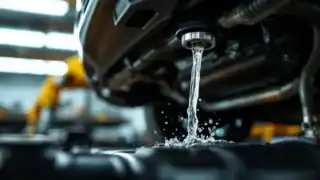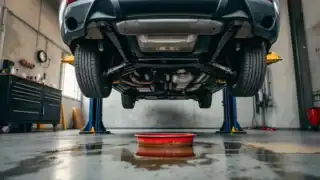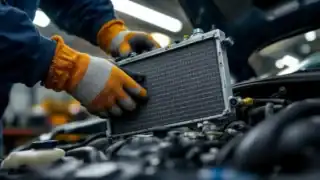
A Volkswagen radiator repair isn’t something to put off. The radiator sits at the heart of your VW’s cooling system, keeping the engine at a safe operating temperature by circulating coolant between the engine block and the radiator core. When that system starts to fail, the consequences move quickly from inconvenient to damaging. Drivers across Gatton and the Lockyer Valley bring their VWs to us when they notice the first signs of a coolant leak or a temperature gauge creeping too high, and getting the diagnosis right early makes a real difference to what the repair involves.
Signs Your Volkswagen Has a Radiator Problem
Volkswagen vehicles, particularly those with the 1.4 TSI and 2.0 TSI four-cylinder engines, can develop coolant leaks at the radiator end tanks, which are typically made from plastic and can crack or weep over time. This is a known characteristic of many VW models across the Golf, Passat, Tiguan, and Amarok range. It doesn’t mean the car is poorly made, but it does mean an older VW with high kilometres is worth watching carefully.
The signs that your cooling system needs attention include:
- A sweet smell coming from under the bonnet or through the cabin vents, which is often the first thing people notice with an early coolant leak
- A puddle of bright green, orange, or pink fluid under the car after it’s been parked
- The temperature gauge climbing higher than normal, or sitting noticeably above its usual position
- The engine management light or temperature warning light activating on the dashboard
- Visible residue or staining around the radiator, hoses, or reservoir cap
- Needing to top up coolant more often than you used to
Any of these on their own is worth having looked at. More than one appearing together means the car needs to come in without delay. Running a Volkswagen with low or contaminated coolant can cause head gasket damage or warp the cylinder head, turning a manageable repair into a much larger one.
How We Diagnose and Repair VW Radiator Faults
Our first step is always a proper diagnosis before any parts are ordered. For Volkswagen models, we carry out a visual inspection of the radiator core, end tanks, and mounting points, and we pressure-test the cooling system to find leaks that aren’t yet visible to the eye. A pressure test involves sealing the system and applying controlled air pressure to identify where coolant is escaping, whether that’s through a hairline crack in the plastic end tank, a failing hose connection, or a weeping core seam.
On many modern Volkswagen vehicles, including the Tiguan, Golf GTI, and Amarok, we also connect to the vehicle’s diagnostic system to check for fault codes related to coolant temperature sensors, thermostat function, and the electric auxiliary water pump, which VW uses in turbocharged engines to continue cooling the turbocharger after the engine is switched off. A coolant leak can sometimes trigger unrelated fault codes, so reading and clearing the system properly is part of the job, not an afterthought.
Once we’ve confirmed the fault, we’ll talk you through the repair options clearly. For a cracked plastic end tank on an older VW, replacement of the radiator assembly is often the practical choice. For a leaking hose or a weeping connection, targeted repair or hose replacement may be all that’s needed. We source parts that meet Volkswagen’s OEM specifications, whether that’s genuine replacement components or quality aftermarket equivalents suited to your model and its operating demands.
What Affects the Cost of a Volkswagen Radiator Repair?
A few variables influence both the cost and the time involved. The severity of the leak matters, as does which part has failed. A small coolant hose is a different job to a full radiator replacement. The model also plays a role, since a Volkswagen Amarok or Transporter has a larger, more complex cooling system than a Polo or Golf, and parts pricing reflects that.
Parts choice is another factor. Genuine VW parts carry the manufacturer’s own specifications and are sometimes the right call, particularly for newer vehicles still on manufacturer warranty or where an exact fit is important. For older VWs, quality aftermarket options often deliver the same performance at a more sensible price, and we’ll give you an honest recommendation based on your car’s age, condition, and how long you plan to keep it.
Keeping It Local in Gatton
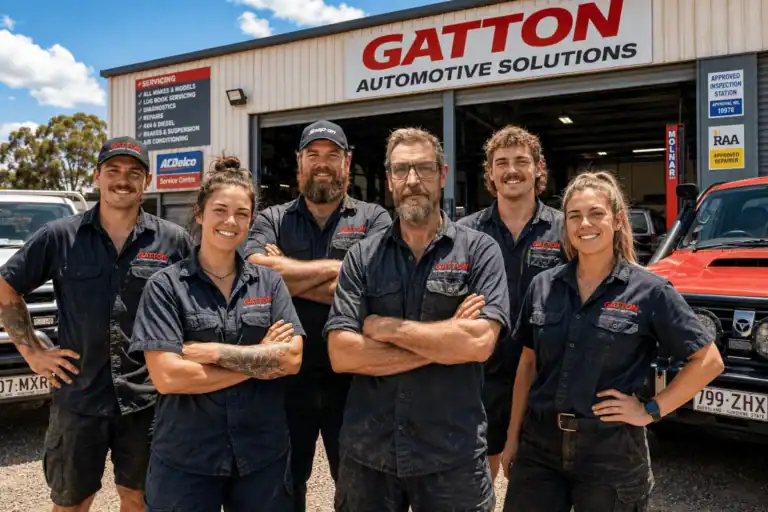
Travelling to Ipswich or Toowoomba for a cooling system repair on your VW adds time, fuel cost, and the inconvenience of a day or more without your vehicle. At Gatton Automotive Solutions, we handle Volkswagen radiator repair service locally, from the initial pressure test and diagnosis right through to parts sourcing and the final repair. There’s no need to head out of town.
We’re a full-service workshop handling everything from everyday cars and 4WDs through to utes, trucks, and heavy equipment. Alongside mechanical repairs, we also take care of roadworthy certificates, suspension work, tyre fitting, and smash repairs on-site. Whatever your VW needs, we can work through it without you needing to visit multiple places.
Our five-star rated service reflects the way we work: straight pricing, honest advice, and no unnecessary work recommended. If we find something that needs attention beyond what you came in for, we’ll tell you clearly and let you decide.
Ready to get your Volkswagen’s cooling system sorted? Book Your Free Inspection online or Call Us Now, and we’ll get your VW looked at here in Gatton.