Limited Time: Free Windscreen Wipers With Any Service. Subject To Availability.

Locally Owned & Operated
Honest Upfront Pricing
5★ Reviews
All Makes & Models

Verified 5★ Reviews

Expert American Vehicles Radiator Replacement In Gatton

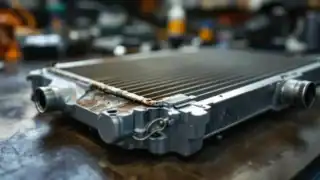
Your American Vehicles radiator keeps the engine cool under load. We replace failed or leaking radiators with quality components, test everything, and get you back on the road fast.

One-Stop Workshop

Honest Advice

5★ Reviews

American Cooling Experts

Book Your Free Inspection

Tell us what you need and we'll get back to you with a clear quote.

Booking Form
  • Vehicle Details
  • Confirm Vehicle
  • Services
  • Contact Details
Honest Quotes
All Vehicle Types
Local & Reliable

Why Book With Us

Book Your Free Inspection
Drop Off Your Vehicle
We Get to Work
Collect Your Car

A failing radiator is one of those repairs that can’t wait. Your American vehicle’s cooling system relies entirely on the radiator to dissipate heat from the engine, and once it starts to fail, overheating follows quickly. American Vehicles radiator replacement in Gatton doesn’t have to mean a trip to Ipswich or Toowoomba. We handle American vehicles of all makes and ages, from classic Chevrolets and Fords to modern Dodges and Jeeps, and we know the cooling system quirks specific to American engine designs. Whether you’re dealing with a slow leak, internal blockage, or a radiator that’s simply aged out, we’ll diagnose the issue accurately and get you back on the road without unnecessary expense or fuss.

Warning Signs Your Radiator May Need Replacement

Radiator problems usually announce themselves clearly. The most obvious sign is overheating, especially under load or in traffic. Your temperature gauge will climb toward the red zone, or your engine management light may flash an overheating warning. You might notice sweet-smelling coolant leaking from under the vehicle, pooling on your driveway, or dripping after you park. Coolant loss without visible external leaks often indicates an internal crack or failing internal fins that can’t be repaired.

Other warning signs include:

  • Discoloured or rusty coolant inside the radiator (brown or orange instead of bright green or pink)
  • Coolant in the oil (milky appearance on the dipstick)
  • Poor engine performance or loss of power under acceleration
  • Heater that blows warm air instead of hot, or fans that run constantly
  • White steam rising from under the bonnet (always a sign to pull over immediately)

In the Lockyer Valley heat, a struggling radiator becomes critical quickly. Unlike city workshops in Ipswich with backup options nearby, you need a repair you can trust the first time. We diagnose cooling issues systematically so you know whether the radiator itself is the problem or whether it’s a thermostat, water pump, or blocked passages causing the overheating.

How We Approach American Vehicles Radiator Replacement

When you bring an American vehicle in with cooling concerns, we start by testing the system under load. We check coolant condition and concentration, measure radiator outlet temperature, and inspect for visible leaks. Many older American vehicles use different cooling system designs than modern imports, so we’re familiar with the specific characteristics of your engine whether it’s a V8 block, a small-block Chevy, or a newer modular platform.

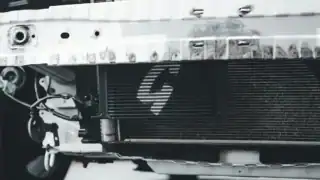
If the radiator needs replacing, we’ll source the right core for your make and year. American vehicles often have larger displacement engines with higher cooling demands than comparable imports, so the radiator size and fin density matter. We use quality replacement radiators that match the original specification rather than undersized alternatives that might look similar but won’t handle your engine’s heat load. Some vehicles benefit from performance radiators if you’re towing or regularly working hard, and we can discuss that option during the inspection.

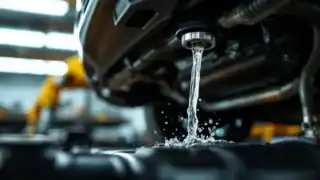
The replacement process involves draining the cooling system safely, removing hoses and mounting hardware, and installing the new radiator with fresh coolant that meets your vehicle’s requirements. We flush the system to clear any debris or sediment that may have built up, then refill with the correct coolant type and concentration. Most American vehicles run either conventional green coolant or extended-life red or orange, and using the wrong type can cause corrosion or poor heat transfer.

What Affects Cost and Turnaround Time

Radiator replacement cost and time depend on several real-world factors. The core radiator price varies based on whether you choose an OEM equivalent or an aftermarket alternative, and parts sourcing in regional Queensland sometimes takes longer than in major cities. Engine bay layout matters too — some American vehicles have tightly packed engine compartments that make removal and installation more labour intensive than others. If we discover the thermostat housing is leaking or the water pump has failed, those repairs often make sense to address at the same time rather than returning in three months for the next cooling system job.

We handle parts sourcing in-house, which saves you time chasing suppliers or waiting on delivery delays. Once the radiator arrives, most replacements can be completed the same day or next morning. We’ll give you a clear assessment of time and cost before we start, so you’re never surprised when the job is done.

Why Gatton Automotive Solutions for Your American Vehicle Radiator

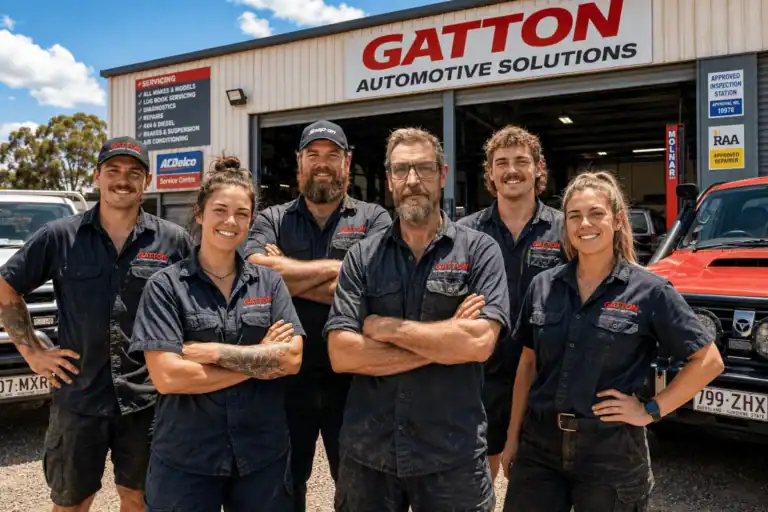
We’re a full-service workshop that works on American vehicles alongside cars, 4WDs, trucks, and heavy equipment, all in one place. That breadth means we’ve seen the range of cooling system designs American manufacturers use, and we know what works and what doesn’t. We don’t oversell you into a new radiator if a thermostat replacement would actually solve the problem, and we don’t install an undersized core to save a few dollars. Honest advice and straight pricing is how we’ve built our reputation in Gatton over years of working with local drivers and tradies.

We’re locally owned and operated, so you’re not travelling 45-80 kilometres to Ipswich or Toowoomba for a repair you can get done here. Our team knows American vehicles, regional driving conditions, and the importance of reliable cooling in a harsh climate.

Ready to get your cooling system sorted? Call us now or book your free inspection online, and we’ll diagnose the issue and walk you through your options.
Other Services

Whatever your needs we have you covered, see some similar services below or click "See All Services" to explore our full service offering.

Your Local Workshop for Every Vehicle

Gatton Automotive Solutions is the one-stop shop for cars, 4WDs, trucks, and heavy equipment. Honest advice and fair pricing, right here in Gatton.

Honest Pricing, No Surprises

We tell you what’s needed and what it costs before we start. No upselling, no pressure.

Everything Under One Roof

Bring your car in and we’ll inspect it, explain what we find, and quote you upfront.

American Vehicle Radiator Specialists

We source and fit OEM-spec radiators matched to your American vehicle’s cooling demands.

How American Vehicle Radiator Replacement Works

From diagnosis to a cooling system running at full strength, here is how we handle your radiator replacement.

Step 1

Book Your Free Inspection

Book your free inspection and we will confirm whether your American vehicle needs a radiator replacement.

Step 2

Cooling System Diagnosis

We pressure test your radiator, check coolant condition, inspect hoses and identify the root cause of failure.

Step 3

Radiator Replacement

We remove the old radiator and install a quality replacement matched to your American vehicle's cooling specs.

Step 4

System Check and Handover

We test the cooling system under load, check for leaks, verify temperature stability, then hand your vehicle back.

Five-Star Rated

Verified 5★ Reviews

Quality Parts From Trusted Suppliers

We use genuine and quality aftermarket parts from reputable suppliers. You get reliable components backed by proper warranties.

Book Your Free Inspection

Tell us what you need and we'll get back to you with a clear quote.

Booking Form
  • Vehicle Details
  • Confirm Vehicle
  • Services
  • Contact Details
Honest Quotes
All Vehicle Types
Local & Reliable

Why Book With Us

Book Your Free Inspection
Drop Off Your Vehicle
We Get to Work
Collect Your Car

Frequently Asked Questions

Browse answers to common questions about our services. Can't find what you're after? Give us a call and we'll help.

A cracked or structurally failed radiator usually needs full replacement, while small leaks around hoses or fittings can sometimes be repaired. Signs that point to replacement include visible cracks in the radiator core or tanks, coolant pooling under the vehicle after it has been parked, persistent overheating even after the coolant has been topped up, or a radiator that has already been repaired more than once. Our team will inspect the unit and give you an honest assessment of whether a repair or full replacement is the right call.

American-made vehicles, including popular models from Ford, Chevrolet, GMC, Dodge, and Jeep, often use plastic-tank aluminium-core radiators. Over time, the plastic end tanks become brittle from heat cycling and can crack at the seam where they connect to the aluminium core. Electrolytic corrosion, caused by old coolant that has lost its inhibitors, can also eat into the aluminium. High-kilometre utes and SUVs used for towing are particularly prone to this because sustained high engine loads push coolant temperatures up consistently.

No. Pull over safely as soon as you can and turn the engine off. Continuing to drive with an overheating engine risks warping the cylinder head, blowing the head gasket, or causing internal engine damage that costs far more to fix than a radiator. Let the engine cool completely before checking coolant levels, and never open the radiator cap while the system is hot. Have the vehicle towed or inspected before driving it again if overheating recurs.

We start by draining the cooling system and removing the old radiator along with any associated hoses, brackets, and clamps that show wear. The new radiator is fitted, hoses and clamps are checked and replaced where needed, and the system is refilled with the correct coolant specification for your vehicle. We then run the engine up to operating temperature to check for leaks and confirm the thermostat and cooling fans are working properly before handing the car back to you.

Under ACCC guidance, Australian consumer law generally allows vehicle owners to have their cars serviced and repaired by qualified independent mechanics without voiding the manufacturer warranty, provided the work is carried out to the required standard and the correct parts are used. This is general information rather than legal advice, and we recommend checking your specific warranty terms if you have any concerns. Gatton Automotive Solutions keeps records of all work carried out, which supports your service history.

Most radiator replacements on common American vehicles are completed within a few hours. The exact time depends on the model, how accessible the radiator is in that particular engine bay, and whether additional components like hoses or the thermostat need attention at the same time. We will give you a realistic timeframe when you book so you can plan your day accordingly. Gatton drivers who need to wait are welcome to do so at our workshop.

Several things influence the final cost. The radiator unit itself varies in price depending on the make, model, and whether the vehicle has a transmission oil cooler integrated into the radiator, which many American automatic-transmission vehicles do. Labour time varies by engine bay layout. If hoses, coolant, a thermostat, or a faulty radiator cap also need replacing during the same job, those parts are additional. We go through everything with you before starting work so there are no surprises.

Most manufacturers recommend a coolant flush every two to three years or at intervals specified in the logbook, though many drivers go longer without issues and then face bigger problems as a result. Old coolant loses its corrosion inhibitors and becomes acidic, which accelerates wear on the radiator, water pump, and heater core. For American vehicles used in demanding conditions, such as towing, off-road driving, or regular long highway runs, keeping to the service interval is worth it to avoid a more costly failure down the track.

Continue to site