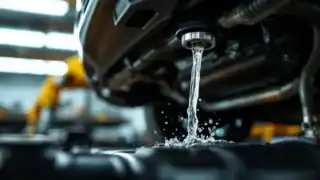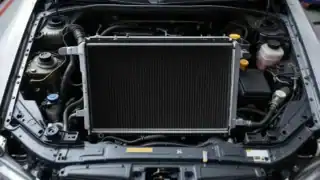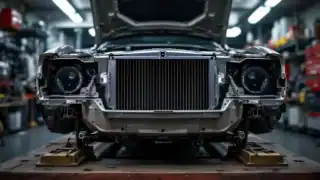
An overheating engine or visible coolant pooling under your vehicle usually points to one problem: radiator failure. American vehicles radiator repair isn’t always straightforward because American manufacturers like Chevrolet, Ford, Dodge, and GMC often use different cooling architectures, and their radiators take the brunt of Australian heat. If your temperature gauge is creeping into the red zone or your air conditioning suddenly feels warm, you’re likely looking at a radiator that needs professional attention. At Gatton Automotive Solutions, we diagnose and repair American vehicle cooling systems regularly, and we understand the specific demands these vehicles place on their cooling capacity in our regional climate.
Signs Your American Vehicle’s Radiator Needs Repair
The symptoms of radiator trouble are usually impossible to miss. Most drivers first notice the temperature warning light illuminating on the dashboard, or they’ll see the needle climbing steadily toward the hot zone during normal driving. Sometimes the first sign is more subtle: a gradual loss of coolant over weeks, with no visible leak in your driveway. Other times it’s dramatic — steam rising from under the bonnet on a country road between Gatton and Toowoomba.
- Temperature gauge climbing higher than normal, even in cool weather
- Sweet smell coming from the engine bay (coolant has a distinctive odour)
- Visible coolant drips or puddles where you park
- White or green staining around the radiator core or hose connections
- Reduced air conditioning performance paired with engine overheating
- Rough idle or loss of power when the engine is hot
- Coolant level dropping regularly between services
American vehicles, particularly V8 models and trucks commonly seen around the Lockyer Valley, generate significant engine heat. If your radiator isn’t shedding that heat efficiently, the entire cooling system backs up. We’ve seen Ford F-series trucks, Chevrolet Silverados, and Dodge Rams lose radiator function through corrosion, impact damage, or simply age. The good news is that catching the problem early stops it from cascading into head gasket failure or engine damage.
What American Vehicles Radiator Repair Involves
When you bring your vehicle in, we start with a proper diagnosis. Many drivers assume a failed radiator is the automatic answer, but overheating can stem from a failed thermostat, a weak water pump, air in the cooling system, or a faulty fan clutch. We pressure-test the radiator to identify leaks, inspect the coolant for contamination or discolouration, and verify that the cooling fans are engaging correctly. For American vehicles, we pay close attention to the radiator’s specific design—some models run plastic end tanks that can crack, whilst others have brazed aluminium cores prone to pinhole corrosion.
If the radiator is the culprit, repair depends on the damage. Small leaks in accessible areas sometimes respond to a professional flush and re-seal. Pinhole corrosion or stress cracks in the core usually mean radiator replacement. We source quality replacement radiators matched to your vehicle’s year and engine size, ensuring proper fitment and cooling capacity. American vehicles often require aftermarket radiators that meet or exceed OEM specifications rather than exact dealer parts, which keeps cost reasonable without compromising performance.
Once the radiator is replaced or repaired, we flush the entire cooling system to remove old coolant, debris, and corrosion residue that can clog a new radiator. The cooling system is then refilled with quality coolant appropriate for your vehicle’s specification—important because mixing coolant types or using the wrong formula accelerates corrosion in American engines. We test the system under load to ensure temperature stabilises and the fans cycle correctly.
Cost and Timeframe for American Vehicles Radiator Service and Repair
The cost of radiator repair varies significantly. A thermostat replacement is straightforward and inexpensive. A radiator flush with coolant change sits in the mid-range. A radiator replacement depends on which American vehicle you own—a radiator for a Ford Ranger differs in price and complexity from one for a Dodge Ram 1500. Parts availability also affects timeline; common radiators we can often source and fit the same day, whilst specialty replacements may take a day or two.
We’re transparent about pricing. Once we’ve diagnosed the problem, we explain exactly what’s needed, what the parts cost, and how long the repair takes. There’s no upselling and no pressure to replace components that don’t need it. If you’re unsure whether a repair is urgent, we’ll tell you straight: some coolant leaks can wait a week, whilst an engine running hot needs immediate attention to avoid catastrophic damage.
Why Gatton Automotive Solutions for Your American Vehicle’s Cooling System
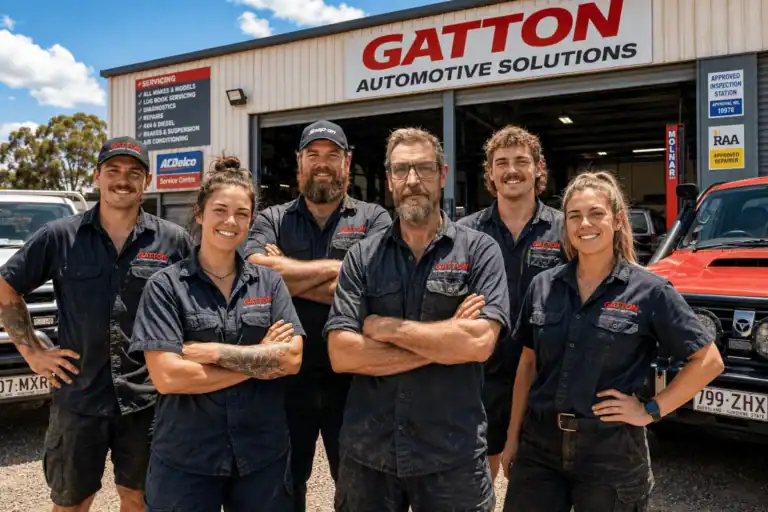
We work on American vehicles regularly—trucks, utes, SUVs, and classic cars. We’re not a dealership, which means we’re not locked into expensive OEM pricing, and we have the flexibility to source quality aftermarket parts that perform just as well. We’re also local to Gatton, so there’s no need to drive to Ipswich or Toowoomba for a service your local workshop can handle reliably. Our one-stop approach means if your radiator failure has affected other cooling components—hoses, belts, the water pump—we can address those in the same visit without shuffling you between shops.
Every repair comes with honest advice. If your radiator is repairable, we say so. If it needs replacement, we explain why and what to expect. Our five-star reviews reflect that approach—customers in the Lockyer Valley know we’ll look after their American vehicles fairly and competently.
Get Your American Vehicle’s Radiator Checked in Gatton
If your temperature gauge is climbing or you’ve spotted coolant leaks, don’t wait. Engine overheating escalates quickly and can cause thousands of dollars in damage if left unchecked. Call us now to discuss your symptoms, or book your free inspection online. We’ll diagnose the problem accurately and get your American vehicle cooling reliably again.