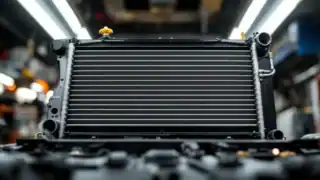
A BMW radiator replacement isn’t something most drivers plan for, but when a cooling system fails, it can take the whole engine with it. The radiator’s job is straightforward: circulate coolant through the engine to keep temperatures in a safe range. When it cracks, corrodes, or starts leaking, that heat management breaks down fast. For BMW owners in Gatton, getting the job done properly with the right parts and diagnostic approach makes a real difference to how long the repair lasts.
Signs Your BMW Radiator May Need Replacing
Radiator problems don’t always announce themselves loudly, but there are clear warning signs worth knowing. BMWs run on a fairly precise cooling system with narrow tolerances, which means a small leak or blockage can tip temperatures into the danger zone more quickly than on some other vehicles.
- Coolant warning light or temperature gauge spiking towards the red zone, especially in stop-and-go traffic or on hot days in the Lockyer Valley
- Visible coolant on the ground under the front of the car after parking, often a lime-green or blue-tinted puddle
- Sweet smell from the engine bay, which is a tell-tale sign of leaking BMW coolant (ethylene glycol has a distinctive odour)
- Overheating at idle while the temperature drops when you’re moving, suggesting restricted flow through the core
- Discoloured or oily coolant in the reservoir, sometimes caused by a failing transmission cooler built into the radiator on automatic BMW models
- Low coolant needing regular top-ups without any obvious external leak, which may point to an internal crack or pinhole in the radiator
If your temperature gauge is climbing or you’re noticing any of these signs, it’s worth having the system inspected before driving further. Overheating a BMW engine even once can cause head gasket damage that turns a manageable radiator job into something far more involved.
How We Diagnose and Replace a BMW Radiator
BMW cooling systems have a few quirks that affect how we approach both the diagnosis and the replacement. Many BMW models use plastic end tanks bonded to an aluminium core, and these tanks are a known weak point as the vehicle ages and the plastic becomes brittle. Before we recommend a replacement, we inspect the entire cooling system rather than just the radiator itself.
Our Process
We start by pressure-testing the cooling system to locate any leaks and confirm the radiator is the primary source of the problem. This matters because a leaking hose or a failing thermostat housing can mimic radiator symptoms. Once we’ve confirmed the issue, we drain and properly dispose of the old coolant, remove the radiator along with any associated hoses, clamps, and mountings, and check the condition of the coolant expansion tank while we’re in there.
On BMW models with an integrated transmission cooler, we also check the oil-to-water seal to make sure coolant hasn’t mixed with transmission fluid. This is a BMW-specific concern that doesn’t apply to most other vehicles, and missing it can lead to transmission damage if the seal has been compromised.
We fit a replacement radiator that meets BMW’s OEM specifications, which includes matching the core dimensions, flow rate, and fitting points for that specific model. After fitting, we refill the system with BMW-approved coolant, bleed any air from the system, and run the engine through a heat cycle to check temperatures and confirm there are no remaining leaks.
What Affects the Cost and Time Involved
A few variables influence how long the job takes and what it costs. The model year and engine configuration of your BMW makes a difference, since some layouts give easier access to the radiator than others. A 3 Series with a straightforward engine bay is a different job to an X5 with additional cooling lines and a larger core.
Parts choice also plays a role. We’ll discuss the options with you, including quality aftermarket parts versus OEM-equivalent units, and let you make an informed call based on your vehicle’s age, condition, and how long you plan to keep it. We handle parts sourcing in-house, so you’re not chasing suppliers yourself.
If other components need attention at the same time, such as radiator hoses, the thermostat, or the coolant expansion tank, doing those together avoids a second labour charge down the track. We’ll flag anything worth addressing while the system is already open.
Why Gatton BMW Owners Choose Gatton Automotive Solutions
Driving to Ipswich or Toowoomba for BMW cooling repairs adds 90 to 160 kilometres to your day, not just in fuel and time, but in the risk of pushing an already-struggling cooling system further than it should go. We handle BMW radiator replacements here in Gatton, with proper diagnostic equipment and genuine-specification parts.
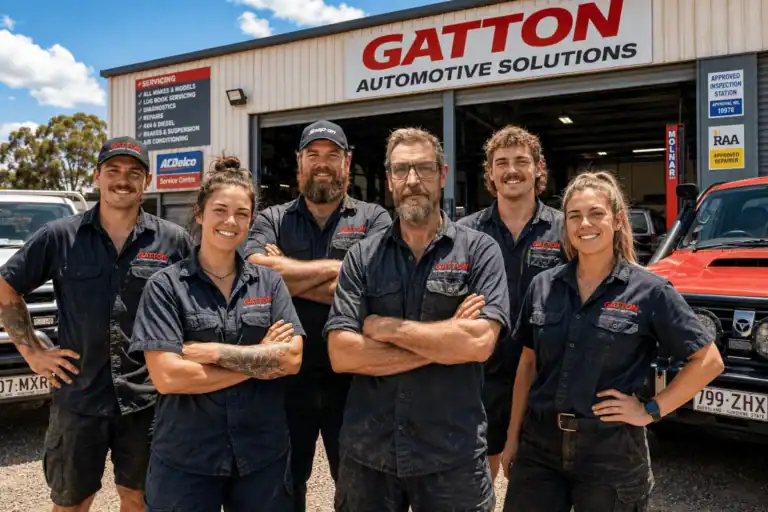
Our workshop covers far more than cooling work. From general mechanical repairs and roadworthy certificates to suspension upgrades, tyre supply and fitting, smash repairs, and heavy vehicle servicing, Gatton Automotive Solutions is a full-service workshop that takes care of all vehicle types under one roof. Honest advice and straight pricing are the baseline, not a selling point, and we won’t push work your car doesn’t actually need.
With five-star reviews from local drivers, the workshop’s reputation in the Lockyer Valley speaks for itself. If your BMW is showing signs of cooling trouble, Call Us Now or Book Your Free Inspection online today.