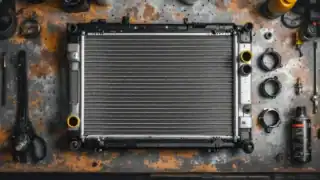
A failed or leaking radiator is one of the more reliable ways to end up stranded on the roadside with steam pouring out from under the bonnet. For Isuzu owners in Gatton and across the Lockyer Valley, getting Isuzu radiator replacement done promptly and correctly matters more than it might seem. The radiator is the core of your cooling system: it pulls heat away from the engine and dissipates it through the fins before that coolant cycles back through. When it can no longer do that job, engine temperatures climb fast, and the damage that follows can be expensive.
Signs Your Isuzu Radiator May Need Replacing
Radiators don’t usually fail without warning. Most of the time there are clear signs that something is wrong before it becomes a breakdown situation. The challenge is knowing what to look for, because some symptoms overlap with other cooling system faults like a failed thermostat or a leaking hose.
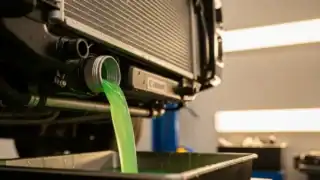
- Coolant leaks under the vehicle – a puddle of green, orange, or pink fluid beneath your Isuzu after parking is worth investigating immediately.
- Temperature gauge climbing above normal – if your gauge is consistently running hotter than usual, especially in stop-start traffic or on long runs, the radiator may not be shedding heat efficiently.
- Discoloured or sludgy coolant – Isuzu’s cooling systems are designed to run on specific coolant formulations. When internal corrosion or contamination breaks down the radiator core, you’ll often see rust-coloured or murky coolant in the reservoir.
- External damage to the radiator fins – rock strikes, debris, or collision damage can physically compromise the core, reducing airflow and heat transfer.
- Coolant smell from the heater vents – a sweet smell inside the cabin can indicate coolant vapour entering through the HVAC system, sometimes linked to a failing radiator or associated leak.
- Visible cracks or corrosion on the radiator tanks – the plastic end tanks on many Isuzu radiators, particularly on older D-Max and MU-X models, are known to become brittle over time and develop hairline cracks.
Isuzu Radiator Diagnostics and Replacement at Our Gatton Workshop
Before we pull a radiator out, we want to understand exactly why it failed. Replacing the radiator without addressing the root cause can lead to the same problem returning. Our process starts with a visual inspection of the radiator core, tanks, and inlet and outlet connections, followed by a check of coolant condition and concentration. We also pressure-test the cooling system, a procedure that reveals leaks that aren’t visible to the naked eye by pressurising the system to spec and watching for pressure drop.
Isuzu’s diesel engines, including the 3.0-litre 4JJ1 and 4JJ3 found across the D-Max and mu-X range, run at sustained high temperatures under load, particularly in working environments. These engines are unforgiving of cooling system neglect. We pay specific attention to the coolant type when servicing these vehicles because Isuzu specifies a long-life coolant formulation, and mixing incompatible coolant types can accelerate internal corrosion of the aluminium engine components and the radiator itself.
Once we’ve confirmed the radiator needs replacing, we source a suitable replacement. For Isuzu vehicles, this means finding a part that matches the OEM specifications for core size, fitting positions, and coolant capacity. We handle parts sourcing directly from the workshop, which saves you the back-and-forth of dealing with multiple suppliers. After fitment, we refill the system with the correct coolant to the right concentration, bleed any air from the circuit, and run the engine to confirm the system is holding pressure and maintaining normal operating temperature.
What Affects the Cost and Timeframe of a Radiator Replacement?
A few variables influence how long the job takes and what it costs. Parts availability is the biggest one for Isuzu owners in regional areas. Radiators for common models like the D-Max are generally well-stocked, but older or less common variants may need to be ordered. We’ll give you a clear picture of that upfront so you can plan accordingly.
The condition of surrounding components also matters. If hoses, clamps, or the thermostat housing show signs of wear while the radiator is out, it makes sense to address them at the same time rather than pulling the front of the vehicle apart again in six months. We’ll point these out and let you decide, without pressuring you either way.
Heavy vehicles and Isuzu trucks require additional time given their cooling system complexity, and commercial operators may want to factor in scheduling to minimise downtime. We service everything from passenger Isuzus to light trucks and heavier equipment, all from the one workshop.
Why Gatton Drivers Bring Their Isuzus to Us
Gatton Automotive Solutions is a full-service workshop covering cars, 4WDs, trucks, and heavy equipment under one roof. For Isuzu owners, that means radiator replacement, cooling system diagnostics, and any related mechanical work can all be handled in one visit, without a trip to Ipswich or Toowoomba. We do honest work at fair prices, we explain what we find, and we don’t invent reasons to do more than what’s needed.
With five-star reviews from drivers across the Lockyer Valley, we’ve built our reputation by doing the job right the first time and treating people straight. Whether you’re driving a family D-Max, a work ute, or running a small fleet, we’re set up to help.
If your Isuzu is running hot or you’ve spotted a coolant leak, don’t wait for it to become a bigger problem. Book Your Free Inspection online or Call Us Now and we’ll get your vehicle looked at here in Gatton.